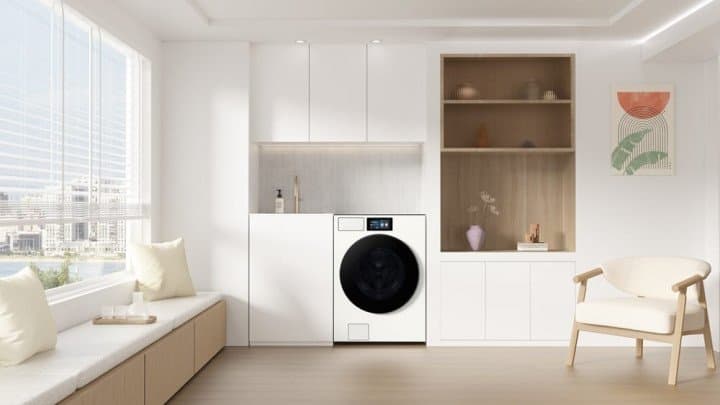
Samsung Electronics Achieves World’s First Verification of Carbon Reduction Effect Based on DUCD Specification

Manal Saleh

Verification
is based on the guidance developed by the DUCD Secretariat, which marks the
first industry standard for assessing, tracking, and reducing carbon emissions
related to the usage of connected devices
The
verification of Samsung's AI Energy Mode under the DUCD-issued specification
demonstrates the carbon-reduction effect in its washing machines
Riyadh, Saudi Arabia – Dec 23, 2025 - Samsung
Electronics Co., Ltd. today announced that it has had the carbon reduction
impact of AI Energy Mode[1] in
its select washing machines verified by the Carbon Trust Assurance, based on the
Decarbonizing the Use-Phase of Connected Devices (DUCD) specification. This
marks the first time that a product or feature has been validated using the
DUCD specification. It is especially significant as it demonstrates the greenhouse
gas (GHG) reduction effect achieved through the AI Energy Mode during the use
phase, verified by a third party.
“At Samsung, we continue to design our products and services with environmental factors in mind,” said Jeong Seung Moon, Executive Vice President and Head of the R&D Team for Digital Appliances (DA) Business at Samsung Electronics. “AI Energy Mode is a key example of such efforts, and with this verification recognizing its effectiveness, we will strive to further improve our products, features and services during their actual use.”
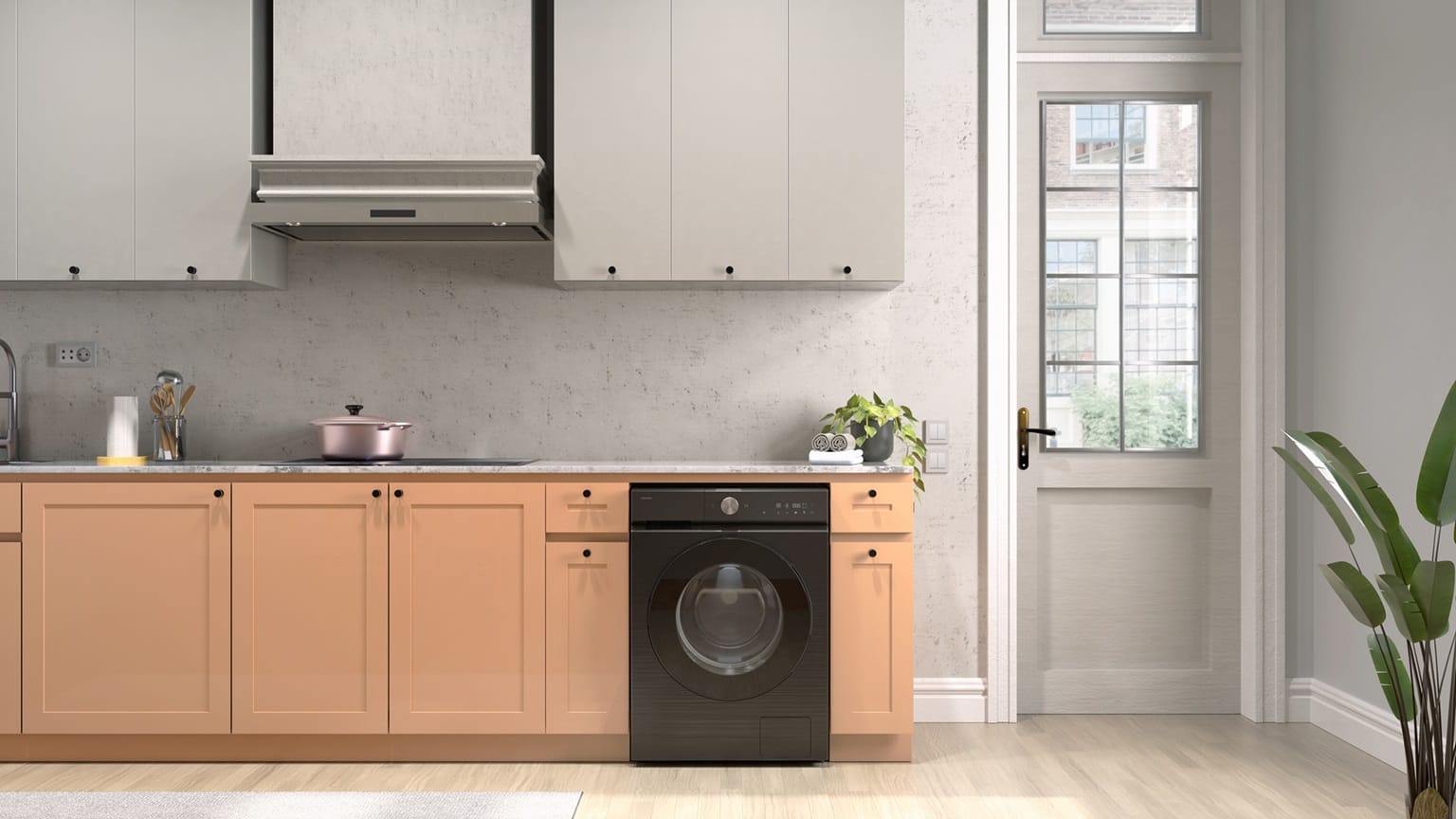
Samsung’s Longstanding Efforts
Samsung has long worked to establish objective and
systematic indicators to assess and manage carbon emissions generated from home
appliances. As part of these efforts, the company joined the DUCD initiative as a Secretariat
member in September 2022.
The DUCD initiative is led by the Carbon Trust, a global climate
consultancy, which partners with businesses, governments and financial
institutions to drive positive climate action. Through collaboration with other
industry leaders, it aims to standardize how energy use and savings from
connected devices are measured, and contribute to building global methodologies
for calculating the carbon savings of Wi-Fi–connected devices.
In November 2024, the initiative published a global specification
establishing unified measurement criteria and reduction methodologies for
connected devices. This approach measures the reduction in carbon emissions
that occur during the consumer's actual usage phase, distinguishing it from the
measurement or reduction of carbon emissions during the production process
conventionally used.
Verified Carbon Reduction with AI Energy Mode
Using this guidance, the Carbon
Trust’s independent assurance arm, the Carbon Trust Assurance Ltd, tested a
pilot assessment on Samsung’s global washing machine lineup.[2] It verified
the reduction effect of AI Energy Mode by comparing the amount of carbon
emitted between July 2024 and June 2025 when using the AI Energy Mode with the
amount emitted when not using this mode.
For Samsung’s
select energy-efficient washing machines, the total energy consumption
using the SmartThings Platform[3] has
been verified at 12.28 GWh during this time period,[4] resulting
in 5,266 tCO2e, by Carbon Trust Assurance Ltd according to the DUCD
Part 1: Specification and Guidance.
The verified total energy savings of 5.02 GWh in energy consumption, and 2,084
tCO2e in GHG emissions savings can be attributed to switched-on AI
Energy Mode.[5]
This level of energy savings corresponds to the amount of
electricity that approximately 169,000 households can use in a single day,
given that an average U.S. residential electric-utility customer purchases
about 29.54 kWh of energy daily.[6]
Meanwhile, the company will participate in the upcoming CES
2026, where it will showcase both its energy-saving solutions and innovative new
products.
###
About Samsung Electronics Co., Ltd.
Samsung inspires the world and shapes the future
with transformative ideas and technologies. The company is redefining the
worlds of TVs, digital signage, smartphones, wearables, tablets, home
appliances and network systems, as well as memory, system LSI and foundry.
Samsung is also advancing medical imaging technologies, HVAC solutions and
robotics, while creating innovative automotive and audio products through
Harman. With its SmartThings ecosystem, open collaboration with partners, and
integration of AI across its portfolio, Samsung delivers a seamless and
intelligent connected experience. For the latest news, please visit the Samsung
Newsroom at news.samsung.com.
[1] Must activate AI Energy
Mode via SmartThings Energy on the SmartThings app, available on Android and
iOS devices. A Wi-Fi connection and a Samsung account are required.
[2] A list of all
applicable washing machine models and a lifecycle product carbon footprints can
be found at https://www.samsung.com/global/sustainability/digital-library/policy-document/.
[3] The verification is
based on Samsung washing machines with the highest energy efficiency grade or
equivalent in their respective countries where applicable, such as (but not
limited to) Energy Star (U.S.), Grade 1 (Korea), and A (EU).
[4] The verification is
based on Samsung washing that have been connected to AI Energy Mode at least
once during the period from July 2024 to June 2025 globally.
[5] AI Energy Mode switched
on versus AI Energy Mode switched off across all active devices globally during
the same time period (July 2024-June 2025)
[6] Source: U.S. Energy
Information Administration (Frequently Asked
Questions (FAQs) - U.S. Energy Information Administration (EIA))
مواضيع ذات صلة
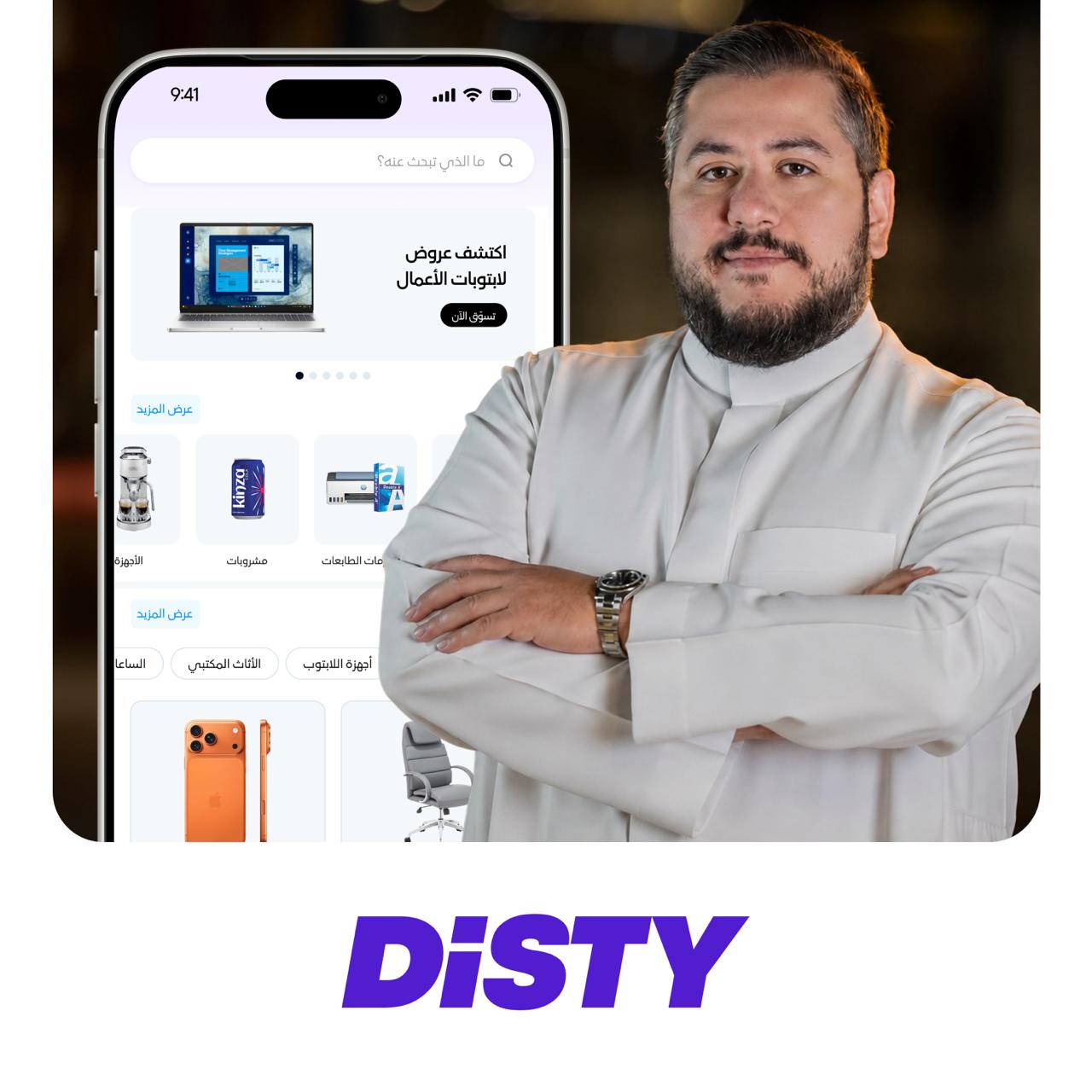
# Disty Holdings Is Reimagining Procurement with AI
منذ 13 ساعة . News
Nutanix Showcases "One Platform, One Experience" at LEAP Saudi Arabia 2026, Highlighting AI, Hybrid Multicloud and Cloud-Native Innovation
منذ 17 ساعة . News
.jpeg)
Garmin Opens First Riyadh Store and Launches fēnix 9 Series in Saudi Arabia
منذ يومين . News
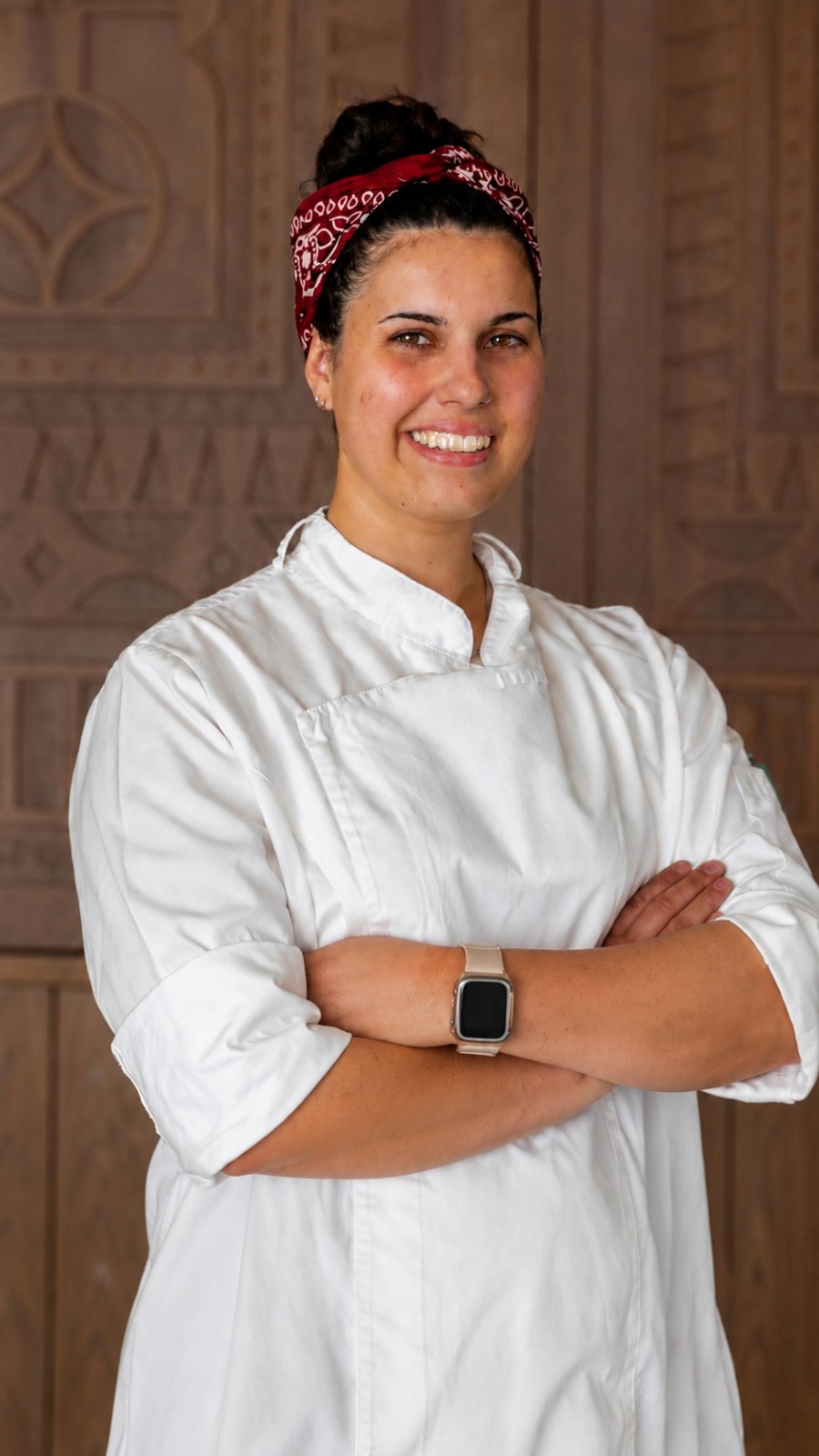
Award-Winning Portuguese Chef Ana Magalhães Leads the Culinary Vision at Tabrah, Nujuma, a Ritz-Carlton Reserve
منذ يومين . News
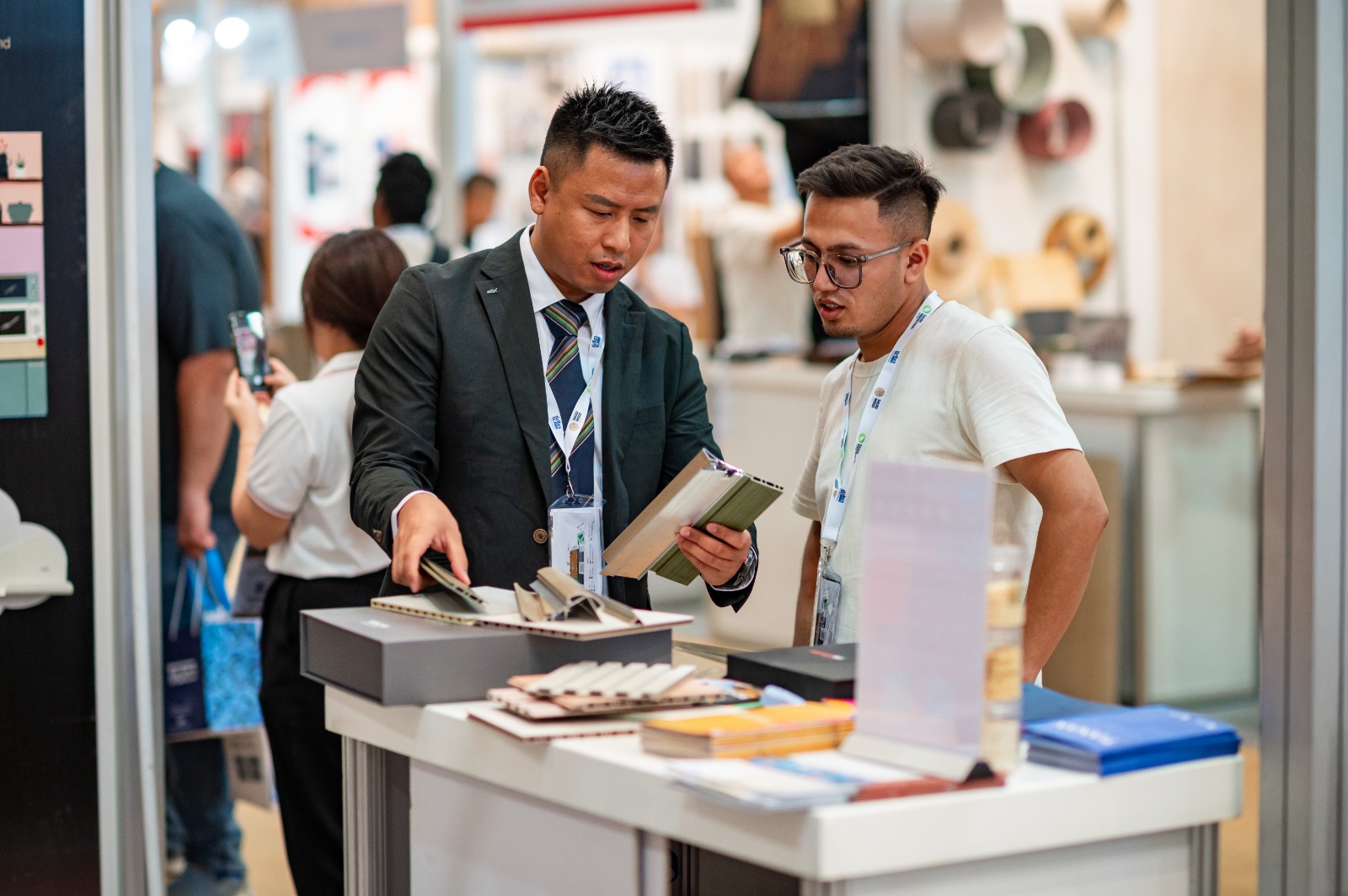
Saudi Wood Expo opens next week at Riyadh Front Exhibition & Conference Center, bringing wood solutions and international expertise from 30 countries
منذ يومين . News
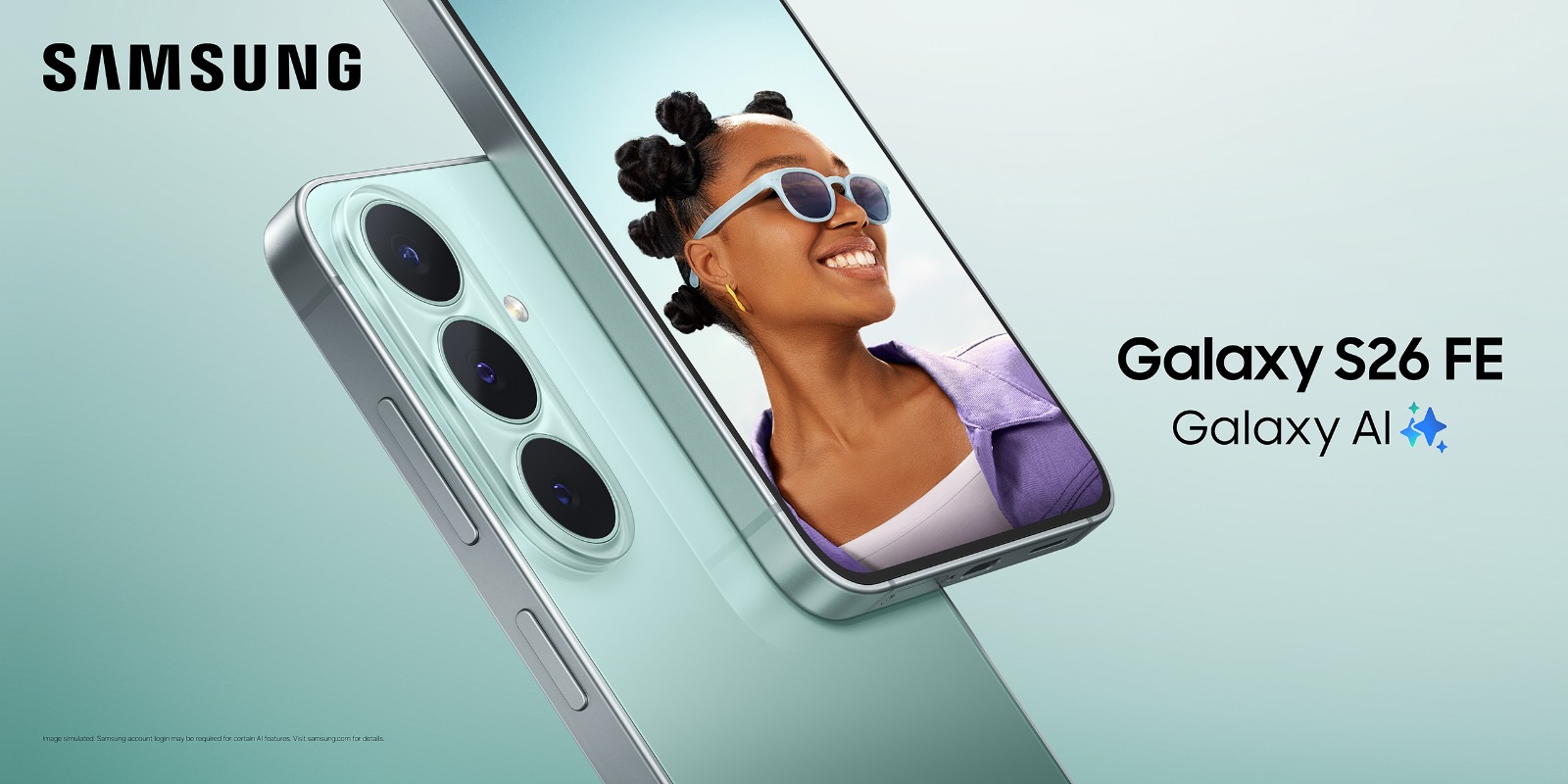
Samsung Galaxy S26 FE: Delivering the Latest Flagship Experience, Focused on What Matters Most
منذ يومين . News

Logitech brings the future of AI-powered workplaces to LEAP 2026
منذ يومين . News
.jpeg)
IFS Brings Industrial AI From Experimentation to Execution at LEAP 2026
منذ يومين . News
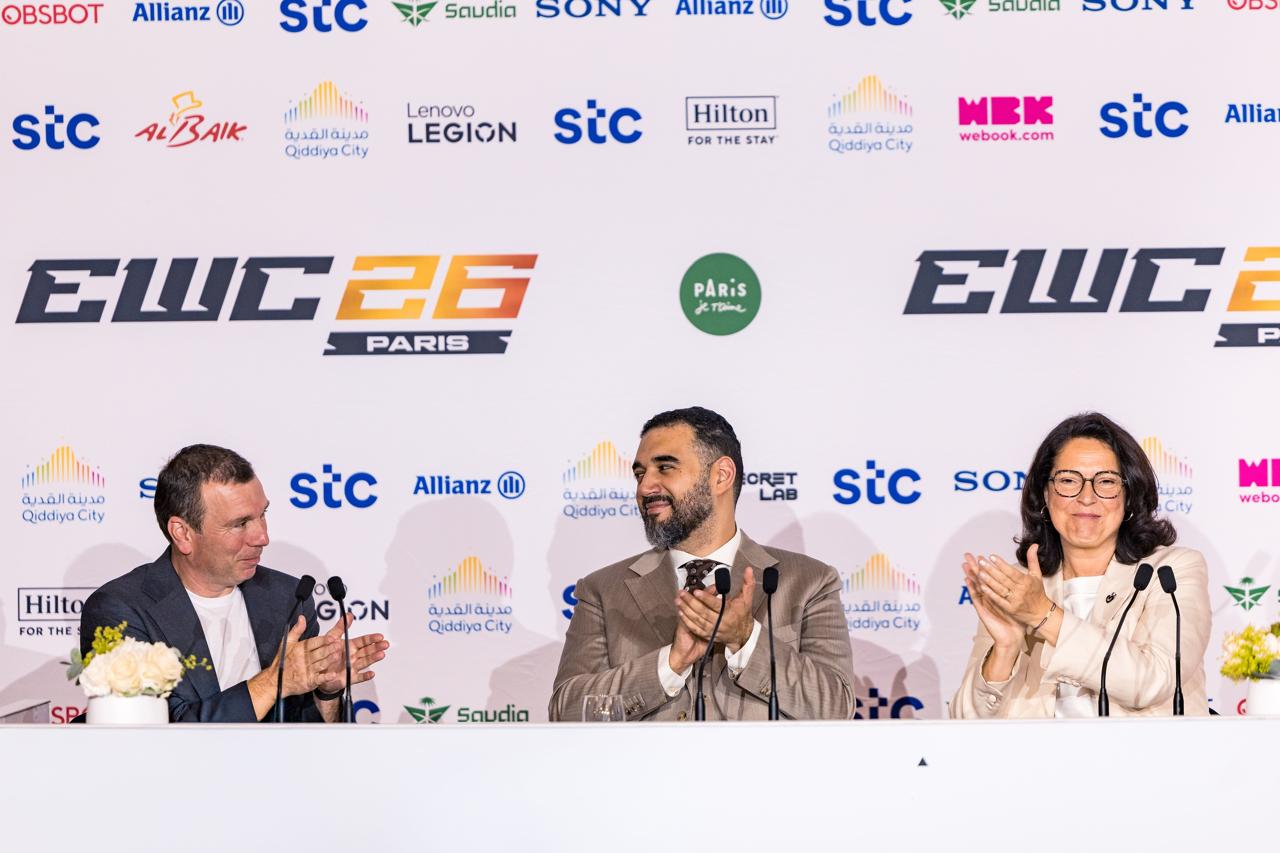
webook.com Shares Success of its Global Scale with Esports World Cup Delivery in Paris
منذ يومين . News