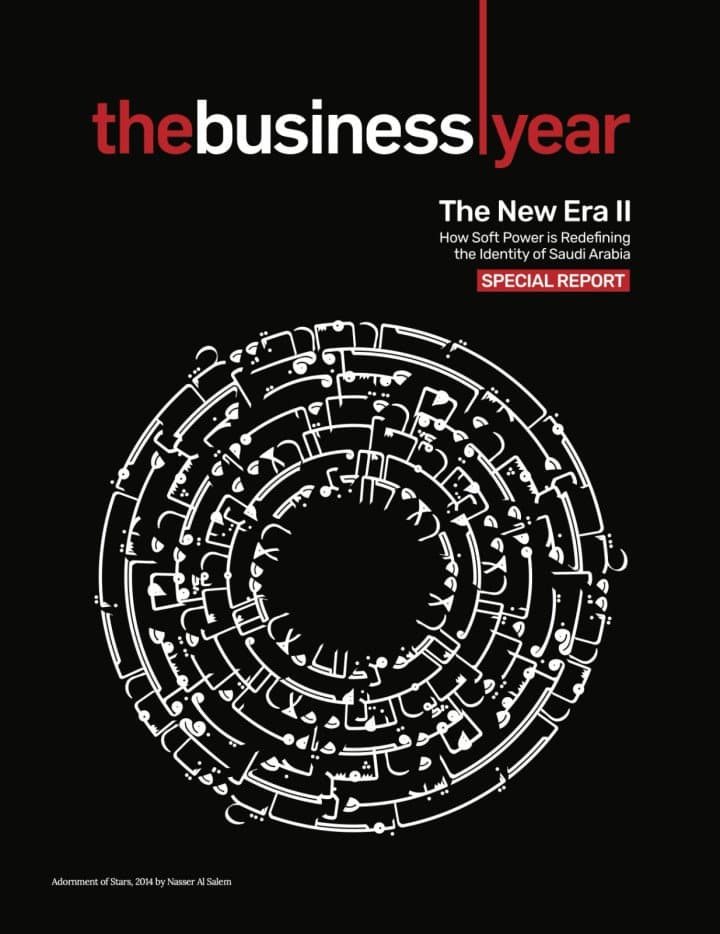
The Business Year Has Launched The New Era II: How Soft Power is Redefining the Identity of Saudi Arabia

Manal Saleh
The Business Year Has Launched The New Era II: How Soft Power is Redefining the Identity of Saudi Arabia, a 230+ Page Special Report on Saudi Arabia’s Creative, Cultural, and Sports Economy Transformation
Riyadh, Saudi Arabia, December 2025—The Business Year proudly announces the launch of
the second edition of The New Era, an
expanded and meticulously researched 230+ page publication chronicling Saudi
Arabia’s unprecedented transformation across culture, tourism, entertainment,
sports, wellness, mobility, urban development, and the creative industries. Building on the success and
impact of the first edition, this new release deepens the analysis, broadens
the scope, and captures the Kingdom at a pivotal moment in its journey under
Vision 2030.
As Saudi Arabia accelerates one of the most ambitious national
transformations in modern history, The New Era II stands as
one of the most comprehensive editorial projects dedicated to documenting the
country’s evolving cultural and socioeconomic landscape. Compiled through more
than a year of research, high-level interviews, field visits, and strategic
conversations, the report reflects the voices of ministers, CEOs, gigaproject leaders, commissioners, investors,
creatives, and international partners who are collectively shaping the
Kingdom’s future.
The publication was developed by Alena Hakansson and Edoardo Caccin, who conducted extensive on-the-ground
research and met directly with key decision makers to capture the full scope of
Saudi Arabia’s emerging and existing ecosystems. Their work provides an
unparalleled panorama of the industries driving the Kingdom’s quality-of-life
revolution and global repositioning.
A Dynamic, Fluid Exploration of Saudi Arabia’s
Transformation
The second edition of The New Era unfolds
through a captivating, interconnected narrative, offering readers a holistic
understanding of the forces reshaping the Kingdom. Rather than isolating
sectors, the report illustrates how culture, economics, urban planning, soft
power, and global connectivity intersect, creating a
new model of integrated national development.
The opening chapter situates Saudi Arabia within the broader framework
of Vision 2030, examining how flagship initiatives and gigaprojects are moving
from strategic vision to tangible reality. Through this lens, readers discover
how urban regeneration programs, cultural institutions, entertainment
districts, and new mobility networks are redefining the experience of living in
Saudi Arabia. This is not merely development: It is a
complete reimagining of national identity, where heritage and modernity operate
in harmony.
The narrative then transitions seamlessly into the Kingdom’s investment
environment, highlighting the mechanisms enabling unprecedented inflows of
domestic and foreign capital into culture, sports, tourism, entertainment, and
real estate. This section delves into regulatory reforms, privatization
programs, investment funds, and the rise of public–private partnerships that
are powering diversification. Readers gain an in-depth perspective on how Saudi
Arabia is positioning itself as a global investment destination, not only through scale, but through clarity,
stability, and long-term vision.
The cultural and heritage chapter explores the Kingdom’s remarkable
cultural renaissance. It examines how Saudi Arabia is redefining its creative
economies through museum development, residencies, artist support programs,
contemporary art production, culinary heritage revitalization, and large-scale
cultural events. This edition expands on the work of cultural commissions,
offering insight into how Saudi art, design, cuisine, architecture, and
heritage are being curated for local pride and global appreciation. The result
is a compelling portrait of a country reclaiming and projecting its cultural
narrative with confidence.
Tourism emerges as a centerpiece of the publication, reflecting the
Kingdom’s extraordinary progress in transforming itself into a global,
year-round destination. The chapter highlights progress across AlUla, Diriyah,
the Red Sea, Jeddah, and emerging tourism districts, demonstrating how
authenticity, world-class hospitality, and narrative-driven experiences are
reshaping global perceptions. This edition goes further in exploring how
tourism, culture, and entertainment work in synergy to create a diversified,
high-value visitor economy.
The exploration of sports captures one of the fastest-growing sectors of
the Saudi economy. The report outlines the Kingdom’s bold strategy to position
itself as a global sports hub through
investments in leagues, infrastructure, mega-events, athlete development
programs, and community sports participation. It illustrates how sports are
driving new industries, new audiences, and new investment opportunities while
elevating Saudi Arabia’s international profile.
The wellness chapter expands on a central theme of Vision 2030: the idea
that wellness is not a luxury, but a national asset. It maps how wellness is
embedded into urban planning, healthcare strategy, cultural programming, and
community design, resulting in cities that promote healthier lifestyles and
improved wellbeing.
Urban development and quality of life receive special attention in this
edition, reflecting the Kingdom’s advancements in human-centric citymaking.
Through interviews with urban planners, ministers, and program leaders, the
report highlights how Saudi cities are becoming more walkable, greener, more
culturally rich, and more connected, signalling a
new chapter in urban design for the region.
The mobility chapter captures Saudi Arabia’s aviation and infrastructure
revolution, detailing the launch of new airlines, airport expansions, route
diversification, and global connectivity initiatives that are anchoring the
Kingdom’s transformation.
The narrative culminates with an exploration of entertainment, media,
and the creative industries, sectors that
have rapidly matured into economic powerhouses. This chapter reveals how
festivals, gaming, film production, live events, and creative entrepreneurship
are reshaping the Kingdom’s cultural and economic landscape, while serving as a
cornerstone of its soft power strategy.
Together, these chapters create a rich, multilayered portrait of a
nation rewriting its future through innovation, culture, and investment.
Global Distribution & Access
As part of The Business Year’s international publishing ecosystem, the
second edition of The New Era benefits
from extensive worldwide distribution across both print and digital channels. Accessible by over 4 million
digital readers annually, the publication is widely enjoyed by C-suite executives, policymakers, global
corporations, international investors, chambers of commerce, development
agencies, and leading academics.
The print edition circulates across the Middle East, Europe, Asia, the
Americas, and Africa, and is showcased at high-level events including
international investment forums, ministerial gatherings, business summits, and
roundtable sessions. Its strategic distribution ensures visibility among the
world’s most influential economic and policy audiences.
Digitally, the report can be accessed on all major business information platforms,
including Bloomberg Terminal, Dow Jones Factiva, FactSet, and LSEG Workspace.
It is also available on PressReader, Google Books, and at thebusinessyear.com
About The Business Year
The Business Year is a global media group providing cutting-edge
economic intelligence, executive interviews, and sectoral analysis across more
than 40 markets. Through its annual publications, special reports, digital
platforms, and high-level events, TBY offers unparalleled access to the
leaders, companies, and policies shaping the most dynamic economies worldwide.
مواضيع ذات صلة

# Disty Holdings Is Reimagining Procurement with AI
منذ 14 ساعة . News
Nutanix Showcases "One Platform, One Experience" at LEAP Saudi Arabia 2026, Highlighting AI, Hybrid Multicloud and Cloud-Native Innovation
منذ 18 ساعة . News
.jpeg)
Garmin Opens First Riyadh Store and Launches fēnix 9 Series in Saudi Arabia
منذ يومين . News
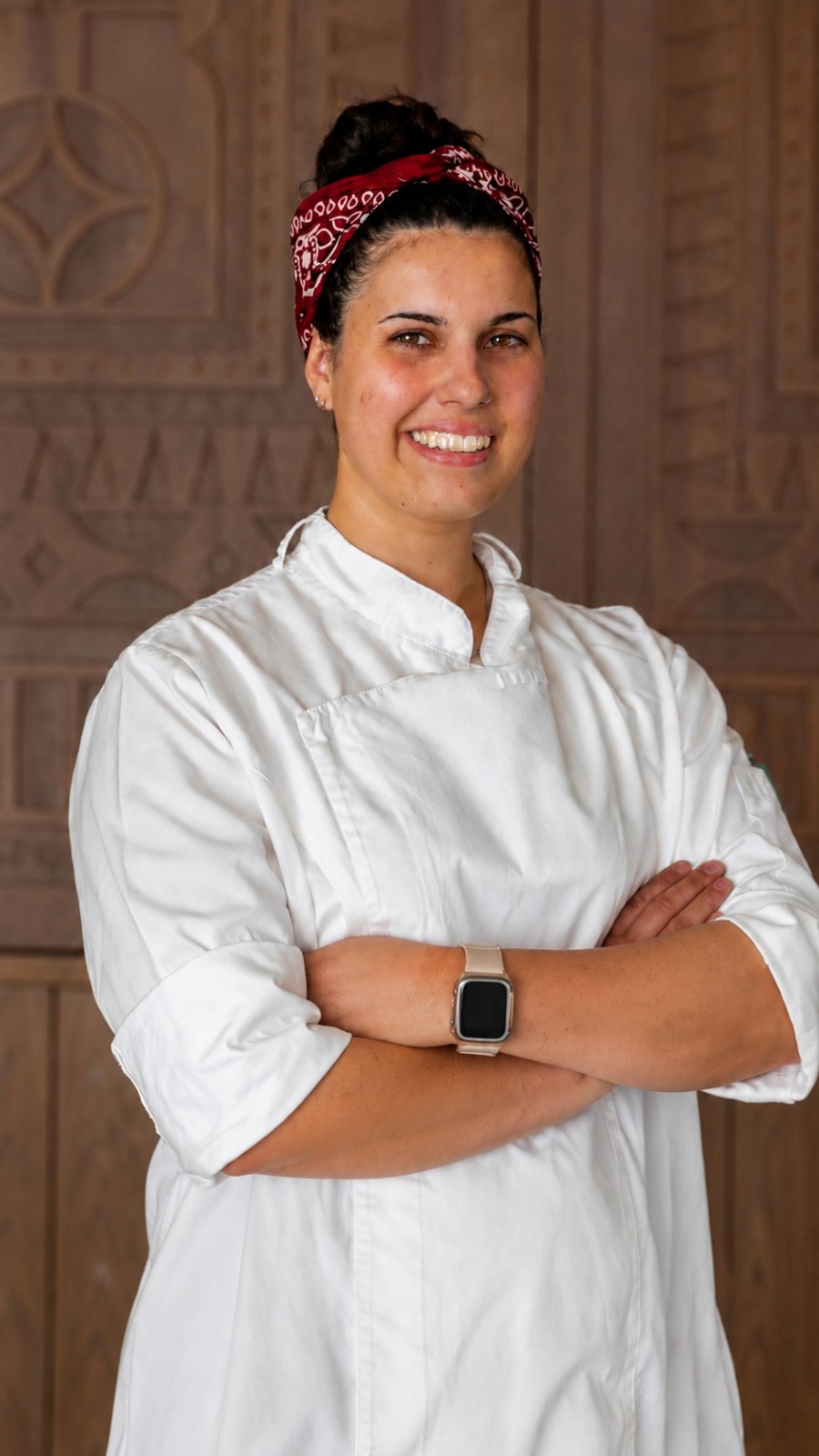
Award-Winning Portuguese Chef Ana Magalhães Leads the Culinary Vision at Tabrah, Nujuma, a Ritz-Carlton Reserve
منذ يومين . News
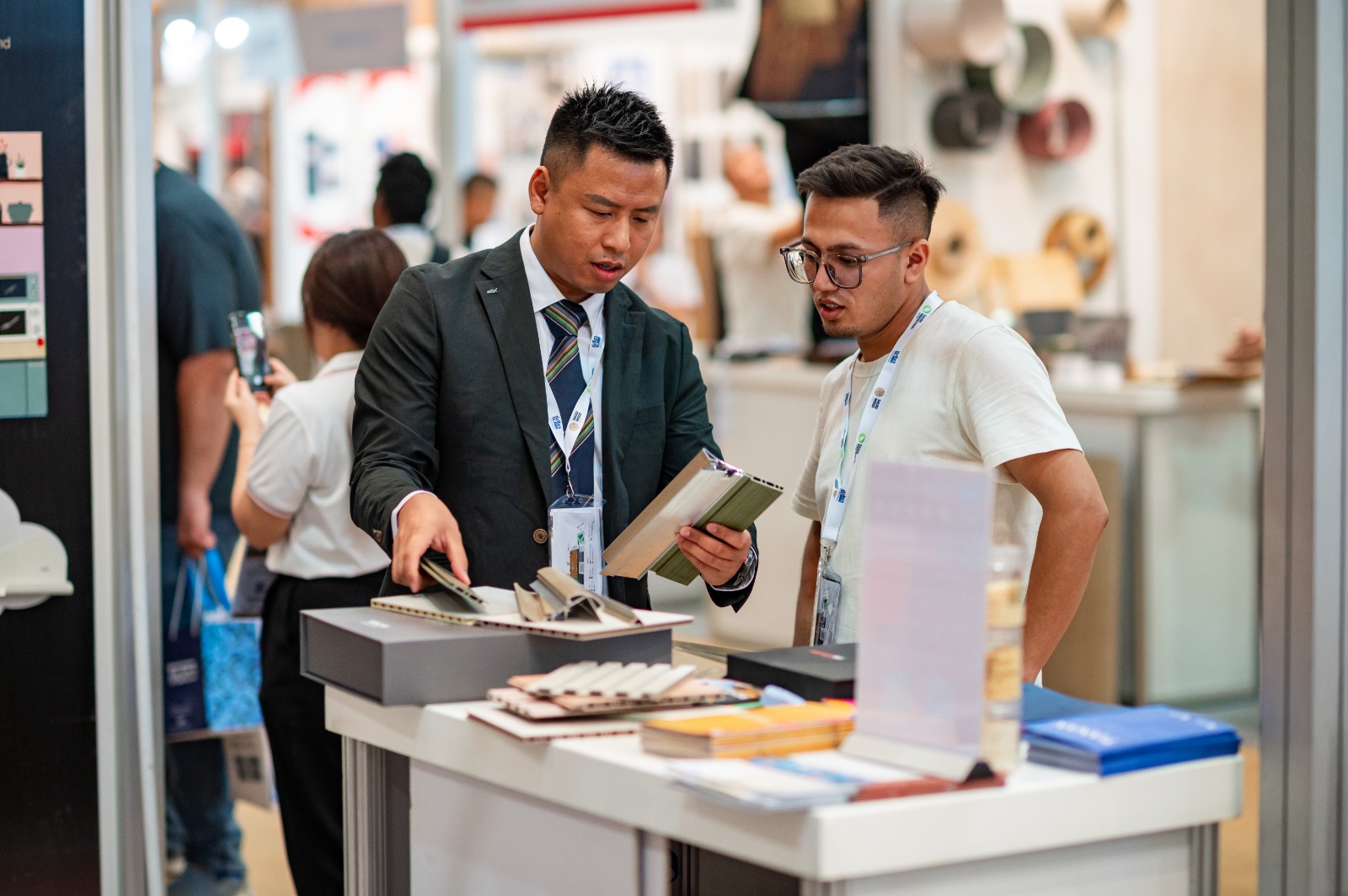
Saudi Wood Expo opens next week at Riyadh Front Exhibition & Conference Center, bringing wood solutions and international expertise from 30 countries
منذ يومين . News

Samsung Galaxy S26 FE: Delivering the Latest Flagship Experience, Focused on What Matters Most
منذ يومين . News
Logitech brings the future of AI-powered workplaces to LEAP 2026
منذ يومين . News
.jpeg)
IFS Brings Industrial AI From Experimentation to Execution at LEAP 2026
منذ يومين . News
webook.com Shares Success of its Global Scale with Esports World Cup Delivery in Paris
منذ يومين . News