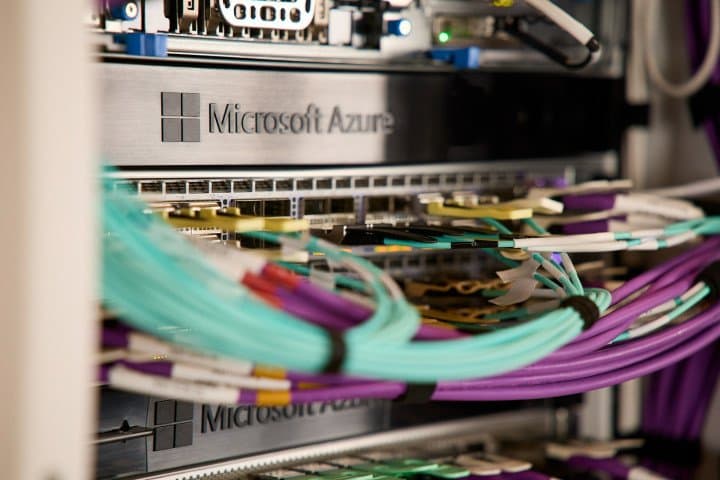
Microsoft Confirms Saudi Arabia Datacenter Region Available for Customers to Run Cloud Workloads from Q4 2026

Manal Saleh
From Q4 2026, Saudi Arabia’s public and private sector organizations can run cloud workloads locally, accessing secure, low latency cloud and AI services to advance Vision 2030 priorities
10
February 2026; Riyadh, Kingdom of Saudi Arabia:
Microsoft today confirmed that customers will be able to run cloud workloads
from its Saudi Arabia East datacenter region from Q4 2026, marking a major
milestone in the company’s long-term investment in the country and its
commitment to supporting Saudi Arabia’s digital and AI ambitions under Vision
2030.
The
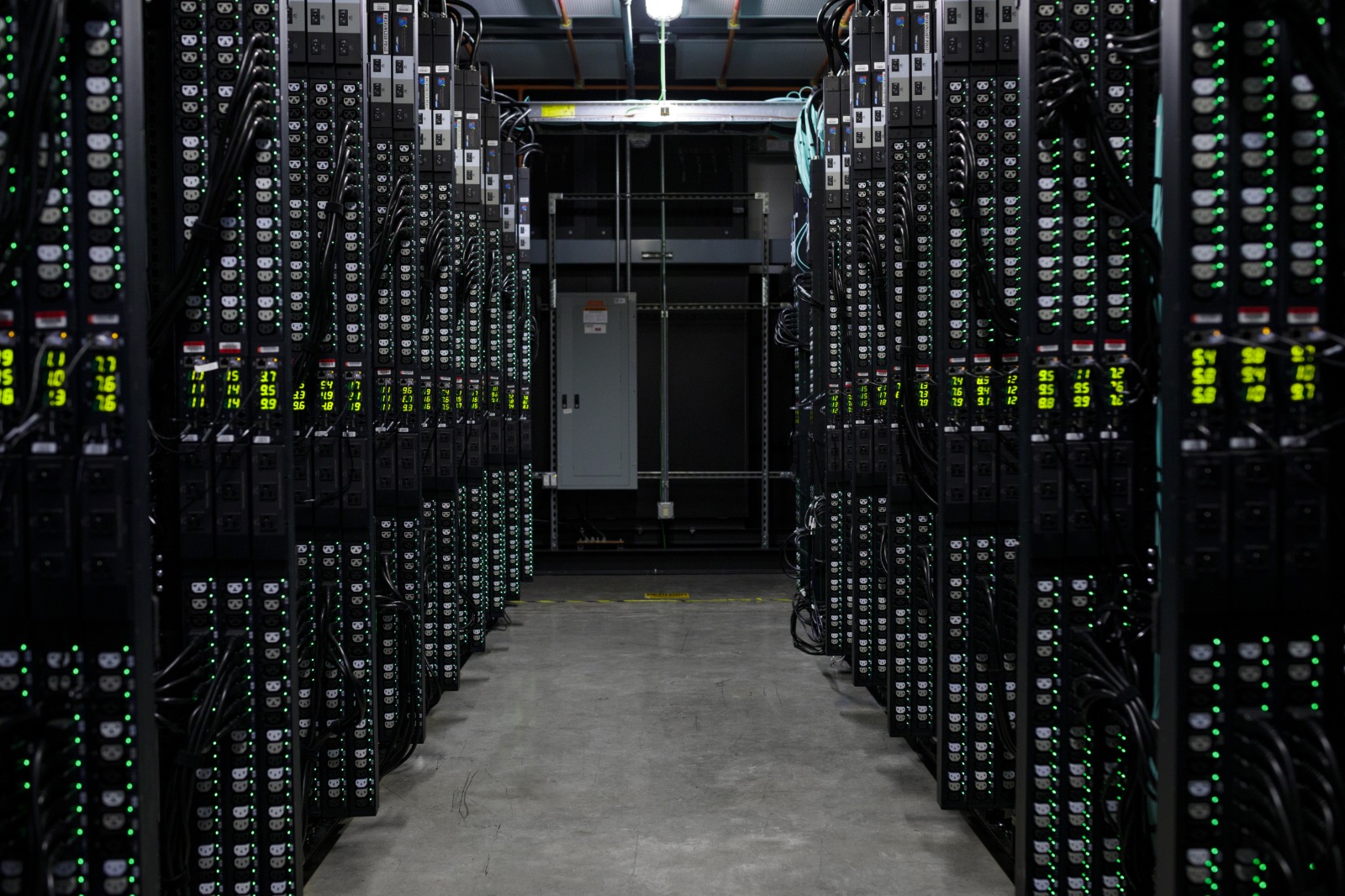
new Microsoft Azure cloud datacenter region, located in Saudi Arabia’s Eastern
Province, will include three availability zones, each with independent power,
cooling, and networking infrastructure. Designed to deliver enterprise-grade
reliability, security, and resilience, the region will enable organizations
across government and key industries in the Kingdom to run mission-critical
cloud and AI workloads with low latency, data residency, and high availability.
This milestone marks the next phase in Saudi Arabia’s AI and cloud journey, reinforcing Microsoft’s long-term commitment to the Kingdom as it accelerates from infrastructure build-out to AI adoption at scale. Since Microsoft shared progress on the datacenter region in December 2024, Saudi Arabia has continued to strengthen its position as an emerging global AI leader, with increasing prominence on the world stage through participation in international forums and growing momentum around trusted, sovereign-ready digital infrastructure.
Over
the past year, this progress has been underpinned by close collaboration
between Microsoft and Saudi stakeholders. This includes the recent intent
announced by Microsoft, the Public Investment Fund (PIF) and Site to explore
sovereign cloud services, as well as on-site visits by government and
regulatory delegations to Microsoft’s datacenter region – reinforcing alignment
on security, compliance, and responsible AI deployment in line with Saudi
regulations.
Speaking about the news, H.E. Eng. Abdullah bin Amer Al-Swaha, Minister of
Communications and Information Technology, said: “This milestone reflects Saudi Arabia’s continued
progress in building advanced, trusted AI infrastructure that supports our
ambition to become an AI-enabled nation. We thank Microsoft for its strategic
investment in the foundations of the AI economy in Saudi Arabia, enabling the
Kingdom to serve as a platform for global progress. Our collaboration with
leading global technology partners is strengthening a secure and resilient
digital and AI ecosystem that empowers innovation, enhances competitiveness,
and supports sustainable national growth.”
Commenting
during his visit to Saudi Arabia, Brad Smith, Vice Chair and President of
Microsoft, added: “Around the world, governments and institutions are
seeking cloud infrastructure that combines innovation with trust, resilience,
and respect for national requirements. Our long-term investment in Saudi Arabia
reflects a shared commitment to building secure, sovereign-ready digital
foundations that enable countries to adopt cloud and AI with confidence. As
organizations prepare to run workloads in the Kingdom, our focus remains on
supporting responsible technology deployment that strengthens economic growth,
public services, and digital stability over the long term.”
As
the Kingdom prepares for customers to begin running cloud workloads from the Microsoft
Saudi Arabia East datacenter region from Q4 2026, the focus is increasingly on
readiness – ensuring organizations have modern data estates, robust governance
frameworks, and the skills needed to move from pilots to production. Alongside
the datacenter region, Microsoft continues to invest in local capability
through initiatives such as the Innovation Hub, commitments to Saudization, and
the expansion of its regional headquarters in the Kingdom, supporting national
talent development and long-term economic growth.
When
available, the Saudi Arabia cloud region will become part of Microsoft’s global
cloud infrastructure of more than 70 Azure regions across 33 countries, one of
the largest and most trusted cloud platforms in the world - providing Saudi
organizations with access to secure, resilient cloud and AI services that meet
both national requirements and global standards.
Turki
Badhris, President of Microsoft Arabia, added: “Confirming that customers will be able to run cloud
workloads from our Saudi Arabia East datacenter region in Q4 2026 provides
organizations with clarity and confidence as they plan their digital and AI
journeys. Across Saudi Arabia, we are working closely with government entities,
enterprises, and partners to support readiness – from data modernization and
governance to skills development - so customers can move from experimentation
to production with confidence. This milestone reflects our long-term commitment
to enabling meaningful, scalable impact for the Kingdom’s public and private
sectors.”
The
announcement reinforces the company’s role as a long-term partner to Saudi
Arabia’s digital transformation journey, supporting the Kingdom’s ambition to
become a global leader in AI adoption by enabling organizations to prepare
today for secure, responsible AI at scale.
A
growing number of Saudi organizations are already moving from AI experimentation
to production, demonstrating how AI can deliver tangible impact when built on
trusted cloud foundations, including:
Acwa
Acwa is leveraging Azure AI services and
the Microsoft Intelligent Data Platform to optimize large-scale energy and
water operations across its global portfolio, with a strong focus on
sustainability and resource efficiency. Through advanced analytics, predictive
maintenance, and AI-driven optimization through its Monitoring and Prognostics
Center, the company has improved water treatment processes, helping conserve
the equivalent of tens of thousands of swimming pools of water each day.
Following its migration and expanded AI deployment, Acwa has also maintained
near-continuous operations, helping ensure reliable delivery of power and water
services. Building on this strong foundation, the company is now expanding
generative AI use cases - such as contract analysis and RFP generation - laying
the groundwork for broader Microsoft 365 Copilot adoption at scale.
–
ENDS –
مواضيع ذات صلة

# Disty Holdings Is Reimagining Procurement with AI
منذ دقيقة . News

Nutanix Showcases "One Platform, One Experience" at LEAP Saudi Arabia 2026, Highlighting AI, Hybrid Multicloud and Cloud-Native Innovation
منذ 4 ساعات . News
.jpeg)
Garmin Opens First Riyadh Store and Launches fēnix 9 Series in Saudi Arabia
منذ يوم . News

Award-Winning Portuguese Chef Ana Magalhães Leads the Culinary Vision at Tabrah, Nujuma, a Ritz-Carlton Reserve
منذ يوم . News
Saudi Wood Expo opens next week at Riyadh Front Exhibition & Conference Center, bringing wood solutions and international expertise from 30 countries
منذ يوم . News

Samsung Galaxy S26 FE: Delivering the Latest Flagship Experience, Focused on What Matters Most
منذ يوم . News

Logitech brings the future of AI-powered workplaces to LEAP 2026
منذ يومين . News
.jpeg)
IFS Brings Industrial AI From Experimentation to Execution at LEAP 2026
منذ يومين . News
webook.com Shares Success of its Global Scale with Esports World Cup Delivery in Paris
منذ يومين . News