
Manal Saleh
Riyadh, 18 November 2026: Younger people are taking
a greater role in preparing iftar, families are becoming more accepting of
delivery and prepared food, and large obligation-led gatherings are giving way
to smaller, more deliberately chosen ones, according to new research into how
people are living Ramadan across Saudi Arabia and the UAE.
The findings come from Ramadan
Is a Verb, a new study by Publicis Groupe Middle East & Turkey
based on 1,200 quantitative surveys, split evenly between Saudi Arabia and the
UAE, alongside 14 digital diaries and in-depth interviews and 60 home visits
conducted over 30 days.
The research finds that
Ramadan remains deeply rooted in its established traditions. What is changing
is how people live within them, with greater personal choice influencing the
home, the table, faith, entertainment and the way people gather.
Some of the clearest
changes are happening around the Ramadan table. 49% of men aged 18 to 26 are
more involved in preparing iftars, while 41% of men across Saudi Arabia and the
UAE say they feel more empowered to shop for groceries, a 17% increase since
2022.
The meaning of effort
around the table is changing too. 48% of people in the UAE and 40% in Saudi
Arabia are dining out more than the previous year. The qualitative research
also found greater acceptance of frozen food, prepared dishes and delivery for
iftar, options participants said would once have carried more stigma. Rather
than pointing to the decline of the Ramadan gathering, the findings raise a
different possibility: that convenience is allowing people to preserve the
occasion while reducing some of the work around it.
The gathering itself is
becoming less fixed. The research recorded smaller family dinners, potluck
iftars and restaurant gatherings alongside the larger family occasions
traditionally associated with the month. In the UAE, 85% of expatriates
surveyed said they had been invited to a Muslim friend's iftar, showing how
the Ramadan table can also bring different communities together.
Technology is becoming part of more personal aspects of Ramadan as well. 67% of respondents use Quran apps, 53% use prayer apps and 44% use fasting trackers, while 56% of parents with young children use apps and interactive tools for prayer education. The research found parents choosing digital tools and content as part of how their children encounter Ramadan and learn about faith.
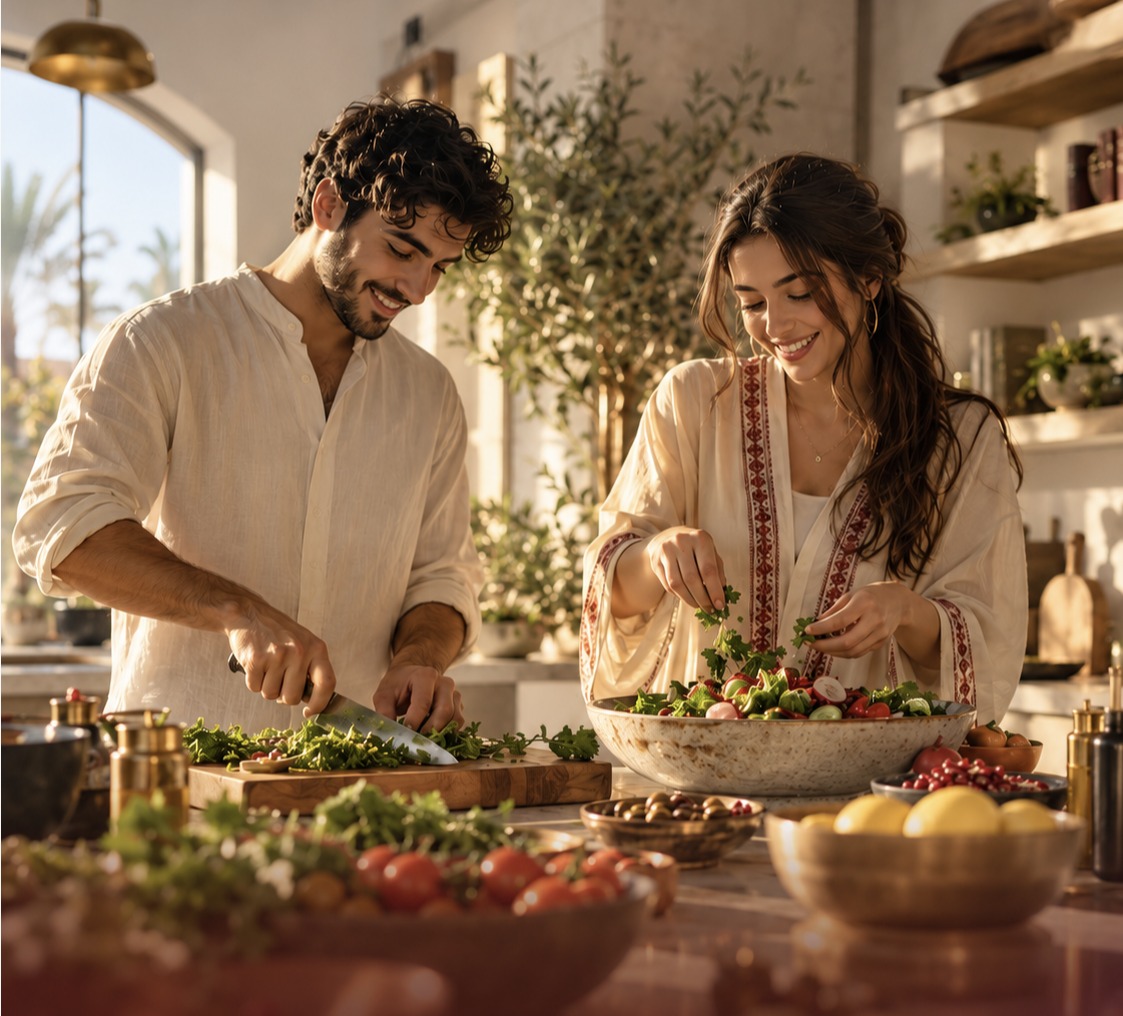
Personal expression is also
becoming more visible within shared rituals. 69% of respondents in Saudi
Arabia said they decorate their iftar in their own way, compared with 37% in
the UAE. Across the qualitative research, this extended to personalised
suhoors, different approaches to Ramadan dress, gaming nights and outdoor
gatherings.
Taken together, the
findings point to a wider shift: people are retaining the collective traditions
of Ramadan while exercising more choice over how those traditions fit into
their own lives.
Tahaab Rais, Chief Strategy
Officer, Publicis Groupe Middle East & Turkey, said, "The revelation
is hiding in plain sight, People haven't stopped following tradition. They've
started authoring it. They assemble their spiritual tools, direct their
generosity, design what is on the table, programme their nights and put their
signature on rituals."
For brands preparing for
Ramadan, the findings raise a different question from the usual focus on how to
represent the month. If people's behaviours within Ramadan are changing, the
products, services and experiences designed around the month need to take those
changes into account too.
The full Ramadan Is a
Verb research examines changing behaviours across spirituality, generosity,
nourishment, entertainment and personal ritual, and what they mean for
categories including FMCG, telecom, finance, retail, entertainment, wellness
and luxury.
To get the full report or
arrange a workshop session, write to Tahaab Rais, Chief Strategy Officer,
Publicis Groupe Middle East & Turkey, at tahaab.rais@publicisgroupe.com
- Ends -
About Publicis Groupe Middle East & Turkey
Publicis Groupe Middle East & Turkey (ME&T) is a regional leader
in communication, media, marketing and digital business transformation. Through
its world-class brands and the ability to architect, build and orchestrate
end-to-end solutions, Publicis Groupe ME&T is uniquely positioned to help
clients unlock growth in the platform world through the intersection of data,
creativity, media and technology. Headquartered in Dubai, UAE but present
across eight markets across the Middle East and North Africa, Publicis Groupe
ME&T brings together 3,600 minds with expertise in data, technology, media,
strategy, creativity and business transformation.
For more information, please visit:
https://www.linkedin.com/company/publicis-health-middle-east/






كن أول من يشارك رأيه
ابدأ النقاش حول هذه القصة.