
Rashad Iskandrni
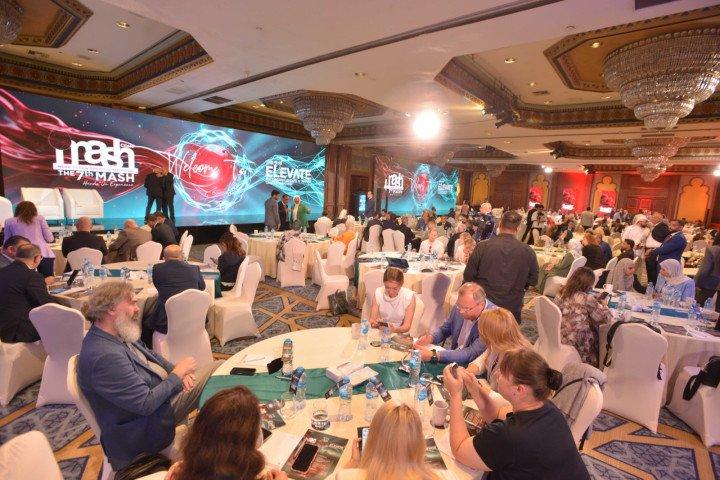
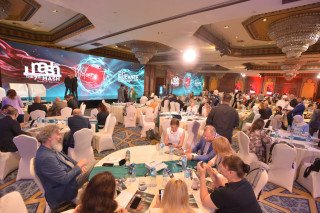
Cairo hosted two leading scientific
gatherings that brought together distinguished experts and consultants from
Egypt and the region, alongside international speakers: the 7th edition of the
Middle East, Africa, and Russia (MEAR) Hematology Summit, and the 2nd edition
of the ELEVATE Conference on integrated ovarian cancer care. Both events were
held with the participation of AbbVie, the global research and development
company in the field of biopharmaceuticals.
Held under the auspices of the Egyptian
Society of Hematology and Bone Marrow Transplantation and AbbVie, the summit
brought together speakers, experts, and consultants specializing in hematology
and hematologic malignancies. The sessions addressed the latest developments in
the treatment of lymphomas, including diffuse large B-cell lymphoma, follicular
lymphoma, and mantle cell lymphoma, and discussed the role of emerging
therapies in reshaping treatment decisions away from traditional
chemo-immunotherapy approaches. Interactive workshops also reviewed recent
clinical evidence and advanced treatment options.
Dr. Musa Al-Zahrani, Associate Professor and
Consultant Hematologist at King Saud University in Riyadh, commended the
excellent organization of the summit. He noted that the event serves as a vital
opportunity to foster scientific communication among experts, exchange insights
on the latest developments in hematologic malignancies, and refine frontline
treatment strategies for chronic lymphocytic leukemia, in addition to
discussing multiple myeloma and the translation of clinical evidence into
medical practice. Dr. Al-Zahrani added that bringing together such a
distinguished group of international and local speakers on a single platform
facilitates rich scientific dialogue regarding best practices that can
contribute to improved patient care.
Dr. Ashraf El-Ghandour, Professor of
Hematology at the Faculty of Medicine, Alexandria University, explained that
the field is undergoing a rapid shift toward precision medicine. Treatment
selection is no longer based solely on the disease diagnosis; rather,
understanding the tumor’s biological characteristics and biomarkers has become
a fundamental element in therapeutic decision-making. This underscores the
importance of discussing topics such as measurable residual disease (MRD) and
the role of circulating tumor DNA (ctDNA), as well as the opportunities these
advancements offer for achieving deep, sustained tumor responses and
understanding the role of the tumor microenvironment in disease progression and
treatment response.
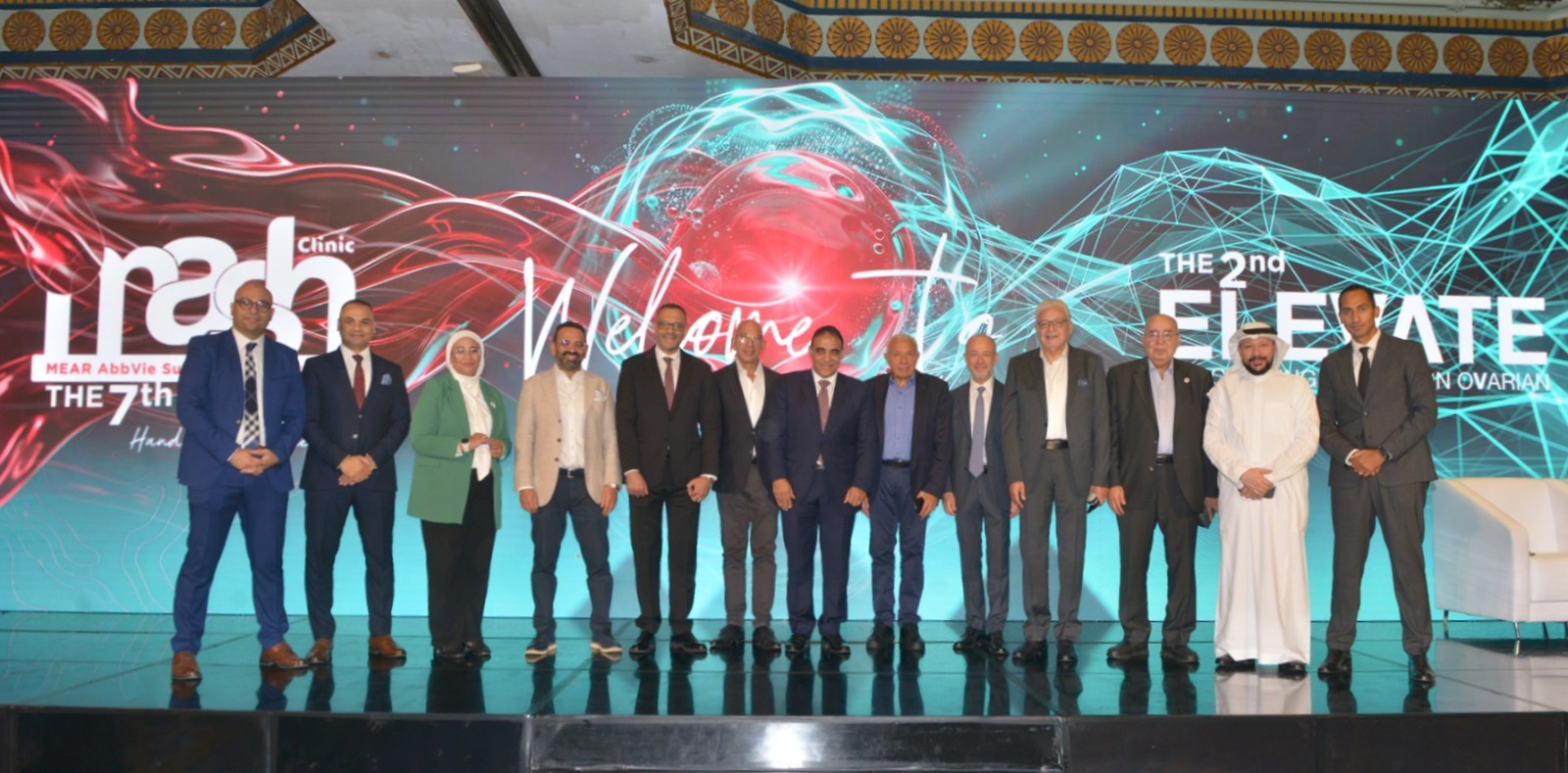
Dr. Elena Paryakh, a consultant hematologist
and Head of the Hematology and Chemotherapy Department at a Moscow hospital,
noted that the summit offers an opportunity to review the latest scientific
advancements in treating hematologic malignancies, particularly lymphoma,
chronic lymphocytic leukemia, and multiple myeloma. She emphasized that rapid
developments in new therapies necessitate continuous updating of knowledge and
discussions on selecting the right treatment for the right patient at the right
time, in alignment with the latest global evidence and recommendations. She
also underscored the importance of ongoing collaboration among experts and
institutions to accelerate knowledge exchange in the treatment of blood
cancers.
Dr. Mohamed Haitham, General Manager of
AbbVie North Africa, emphasized the importance of the conference on hematology
and hematologic malignancies. He highlighted AbbVie’s commitment to supporting
scientific dialogue regarding the future of cancer treatment, reflecting its
ongoing dedication to cancer patients, and showcased the company’s efforts to
develop therapeutic solutions for both hematologic malignancies and solid
tumors. These efforts focus on scientific innovation, evidence-based practices,
the delivery of exceptional medical care, and to elevate healthcare standards
to improve patient health outcomes.
Dr. Alaa Fadhil Alwaan, Head of the Iraqi
Society of Hematology and consultant hematologist at the National Center of
Hematology, Iraq, also emphasized the importance of the conference,
highlighting the scientific community’s commitment to supporting scientific
dialogue regarding the future of cancer treatment and the development of
therapeutic solutions for both hematologic malignancies and solid tumors.
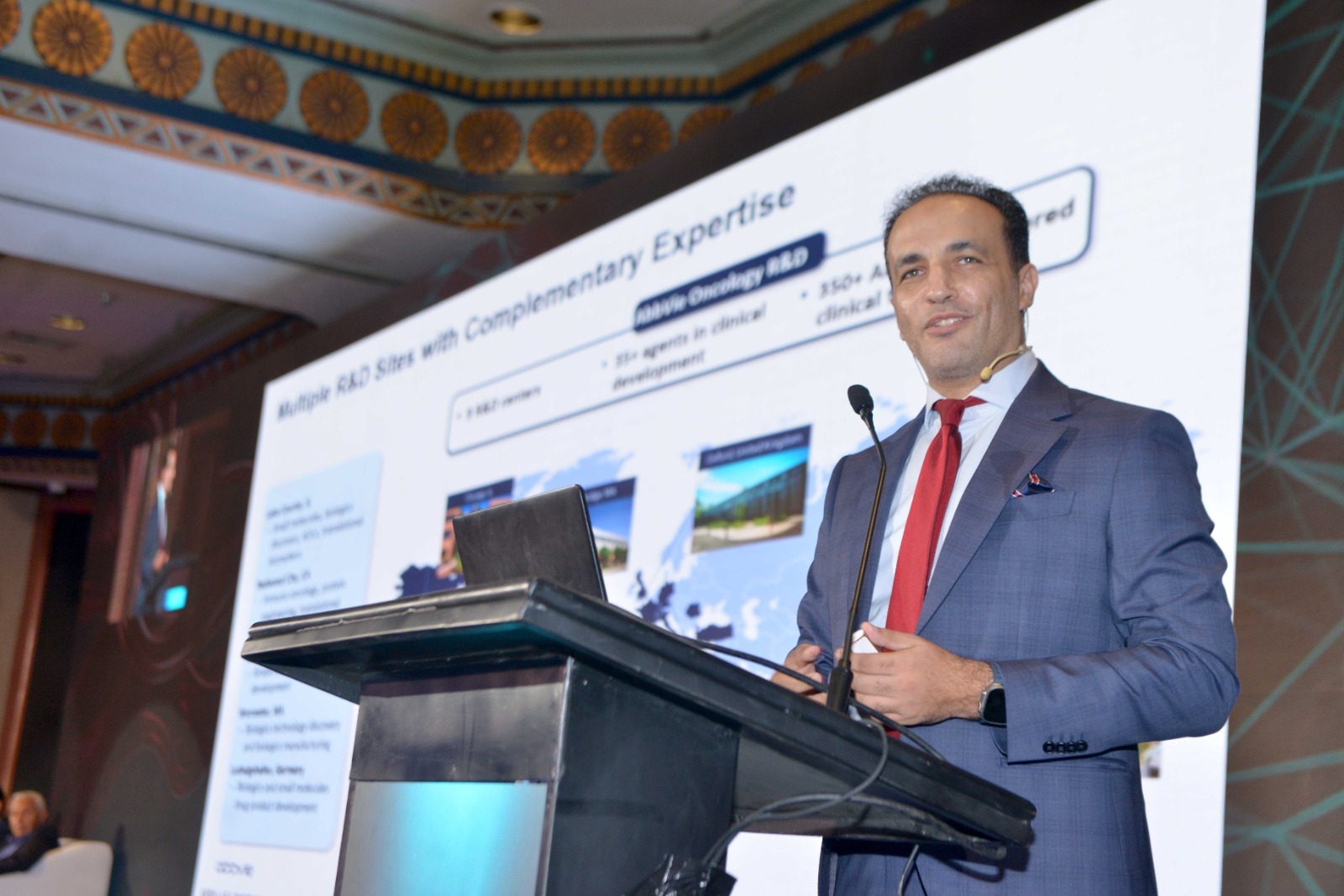
The second edition of ELEVATE was held under
the auspices of the Egyptian Cancer Society. The conference brought together
leading oncology experts and consultants from Egypt, Saudi Arabia, the UAE,
Russia, and other countries to exchange expertise on the latest approaches to
ovarian cancer diagnosis and treatment. Discussions focused on advancing
integrated care, improving diagnostics and therapeutic outcomes, and preserving
patients’ physical, psychological and social well-being. The scientific agenda
addressed precision medicine, tumor resistance, interdisciplinary
collaboration, digital technologies and the use of artificial intelligence in
clinical practice.
Dr. Hisham El-Ghazaly, Professor of Medical
Oncology at Ain Shams University and President of the Egyptian Cancer Society,
stated that the conference represents a significant opportunity to align
perspectives and exchange expertise among ovarian cancer specialists,
particularly given the rapid advancements in the field. True progress in
patient care goes beyond merely extending survival; it encompasses striking a
balance between treatment efficacy and the preservation of the patient’s
physical, psychological, and social well-being, tailored to her individual
needs.
Dr. Nashima Al-Mutairi, Assistant Professor
and Consultant in Gynecologic Oncology, highlighted the importance of
addressing tumor resistance and applying precision medicine to help inform
treatment strategies tailored to each case. “Understanding the mechanisms of
tumor resistance and identifying the biological and molecular characteristics
of tumors are essential to supporting a shift toward more personalized care,”
she said.
Dr. Nikita Saveolov, President of the Moscow
Regional Society of Oncopathologists and Oncogenetics, welcomed the
participation of this distinguished group of specialists. She noted that the
ovarian cancer treatment landscape is undergoing a significant transformation
driven by advancements in precision medicine, digital technologies, and
artificial intelligence, and that maximizing their benefits requires ongoing
scientific dialogue so that innovations are translated into clinical practices
that improve the patient journey and treatment outcomes.
Dr. Hassan Jaafar, Consultant Oncologist and
Medical Director of Burjeel Cancer Institute in the UAE, said that empowering
specialists through knowledge exchange, while leveraging advances in precision
medicine and scientific innovation, can help strengthen integrated,
patient-centric care and address areas of unmet need.
The conference concluded with an in-depth
discussion of artificial intelligence use cases across the ovarian cancer care
pathway, from diagnosis through treatment. The session examined how digital
technologies and AI may support physicians by helping analyze medical data and
inform treatment decisions. Speakers emphasized that these technologies are
intended to complement—not replace—clinical expertise and medical judgment.
A shared commitment to scientific exchange
Mr. Mete Husemoglu, AbbVie’s Regional Vice
President for the Middle East, Africa, and Russia, welcomed the excellent
organization of both events. He noted that such forums serve as vital
scientific platforms enabling specialists to exchange expertise, discuss the
latest scientific and clinical developments, and review key global
recommendations and guidelines. This supports efforts to keep up with rapid
advancements in diagnostic and treatment methods and contributes to delivering
more precise, specialized patient care. He further emphasized AbbVie’s ongoing
commitment to addressing unmet medical needs and collaborating with the medical
community to deliver innovative solutions that make a tangible difference in
patients’ lives.
“Conferences such as the MASH and ELEVATE
create important opportunities for scientific exchange, discussion and
collaboration,” he said. “By bringing together clinical, pathological and
patient-specific insights, specialists can work toward more tailored and
precise treatment decisions and help translate clinical research into medical
practice.”





كن أول من يشارك رأيه
ابدأ النقاش حول هذه القصة.