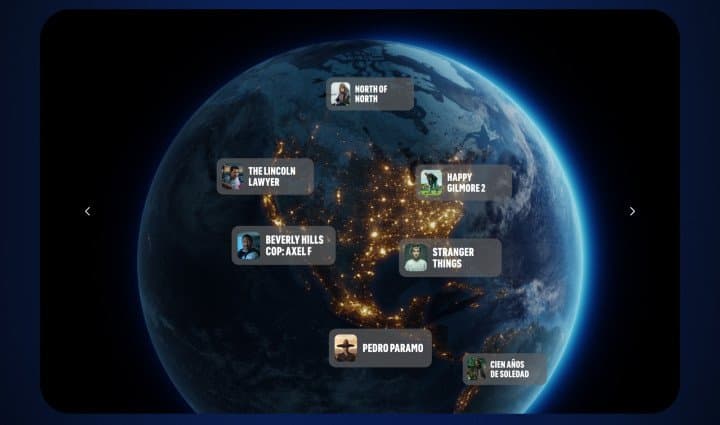
Netflix Announces “The Netflix Effect,”Highlighting Global Economic, Cultural and Social Impact

May 12th, 2026: Netflix has announced its significant global footprint, The Netflix
Effect, revealing the scale of its economic, social and cultural
impact worldwide over the past decade, an impact that has expanded over time to
reach across economies, industries, and everyday life.
According to Netflix
CEO Ted Sarandos in his official statement, ten years ago
Netflix expanded its entertainment service from 60 countries to more than 190
in a single day, with the ambition of “bringing great stories from all over the world to people
all over the world.”
Over the past decade,
Netflix has invested more than $135B in films and series, contributing over
$325B to the global economy including the Arab Wold, and creating more than
425,000 jobs through its productions alone. Behind these figures are thousands
of creators, workers, and partners, including writers, directors, technicians,
small business owners, local communities, and Netflix audiences around the
world.
As Ted Sarandos noted
on the announcement of Netflix Effect: “At the time, there were plenty of
headlines about how Netflix was going global.
But we knew that the best way to be global was to start off intensely local.”
He highlighted how production activity has created jobs, supported local
businesses, and generated impact that extends far beyond the screen. Key
examples include:
●
KPop Demon
Hunters became Netflix’s most popular original film of
all time, sparking a global cultural wave. The song “Golden” earned the
first-ever Grammy for a K-pop track, while the film also received two Academy
Awards®. Duolingo reported a 22% increase in Americans learning Korean,
alongside a 25% rise in flight bookings to South Korea.
●
Stranger
Things in the United States, which created more than
8,000 production jobs, including over 200 stunt performers during its final
season alone, and involved more than 3,800 vendors across nearly every U.S.
state. Certain filming locations, such as Bradley’s Olde Tavern in Jackson,
Georgia, have also become cultural landmarks for fans.
●
The European
versions of Love is Blind, filmed in the small city of Strängnäs outside
Stockholm, where the town transforms for up to 40 weeks a year into a
production hub, supporting lighting and sound crews, set designers, makeup
artists, and others, while also driving activity across hospitality, dining,
transport, and related services.
●
The four seasons of The Lincoln Lawyer
have contributed over $425M to the Californian economy, employed over 4,300
cast and crew, and filmed at over 50 different locations across Los Angeles —
including Dodger Stadium and Grand Central Market.
●
Club De
Cuervos in Mexico, produced in 2015 as Netflix’s first
original series outside the United States, marking a foundational step toward
producing content across more than 4,500 cities and towns in over 50 countries
worldwide.
●
The Colombian
thriller Frontera Verde, filmed deep in the Amazon rainforest, which
involved local community members across production stages, with 30 of the 150
crew members coming from the local Amazonian region.
Over the past decade,
Netflix films and series have continued to influence what audiences read,
listen to, eat, wear, and play. They have helped bring older songs back to
music charts, increased interest in niche sports, and boosted demand for
products like chess sets.
Sarandos added: “Netflix
believes its partners are the foundation of its identity. Through their
powerful storytelling, audiences are drawn to watch and engage with their work
more deeply.”
Netflix continues to
build on this momentum through ongoing investment in content, spending tens of
billions of dollars annually, expanding production facilities, and growing the
entertainment industry through training programs in the Arab World and other
countries that have reached more than 90,000 people across over 75 countries.

مواضيع ذات صلة

GWM Unveils Next-Generation GWM ONE S (Gui Yuan) Platform, 4.0T V8 Engine and more at Auto China 2026
منذ 45 دقيقة . News
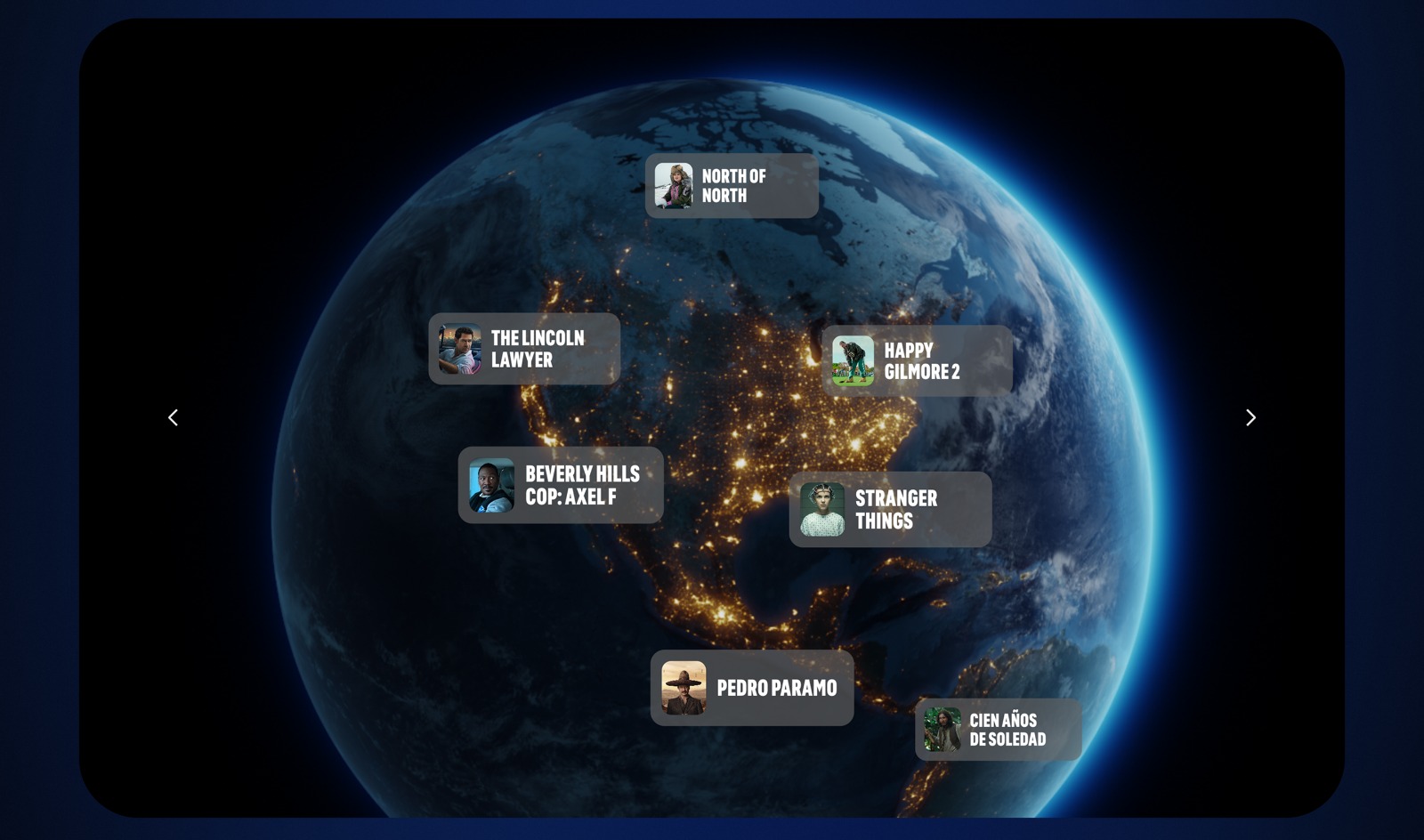
Netflix Announces “The Netflix Effect,”Highlighting Global Economic, Cultural and Social Impact
منذ ساعة . News
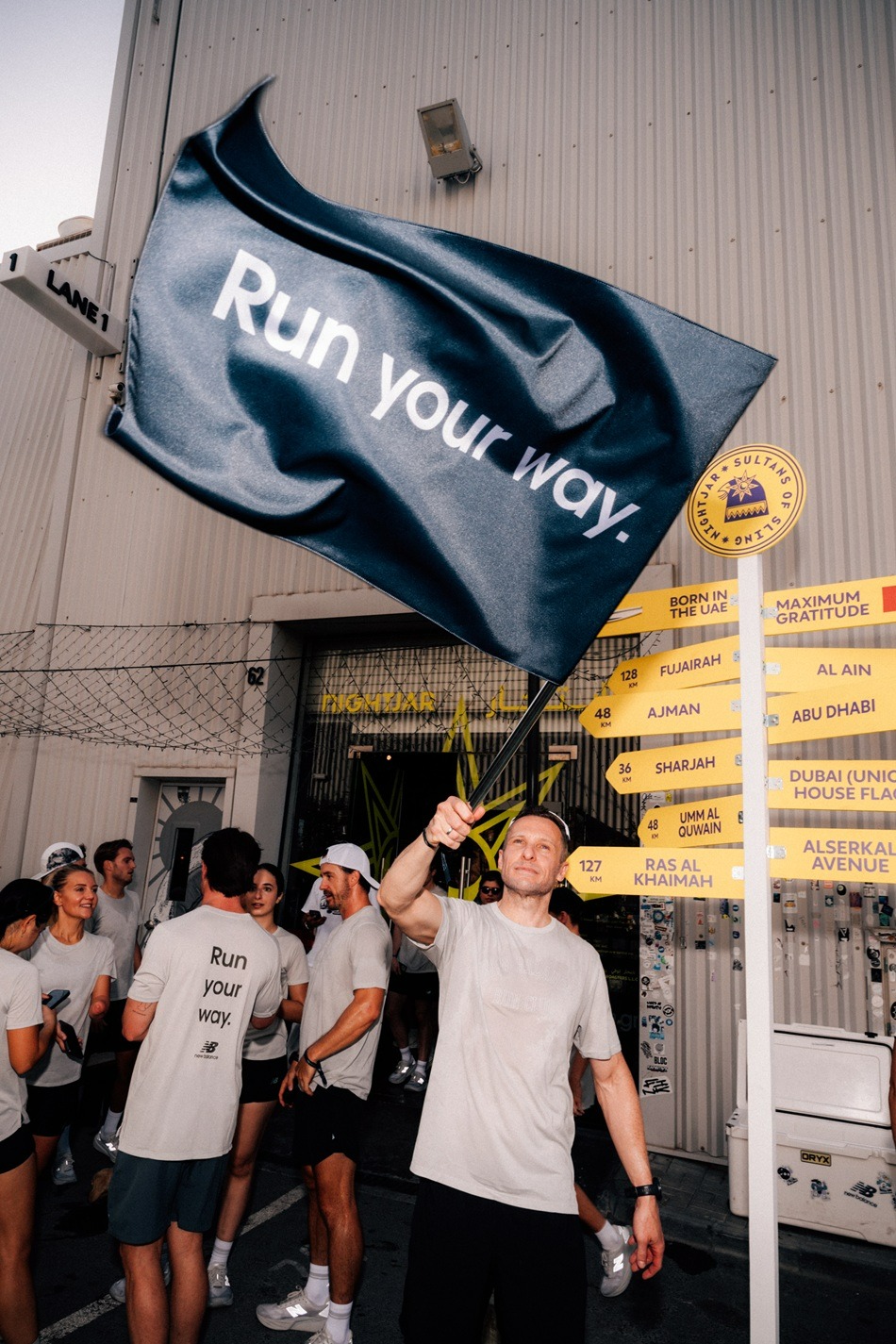
New Balance Brings Grey Days to Life with Community-Led Grey Runs Across the Region
منذ ساعتين . News

The FIT Series Evolves: HUAWEI WATCH FIT 5 Pro Becomes a Daily Companion for Wellness, Style, and Smart Training
منذ 23 ساعة . News
.jpeg)
Accessible Flagship Smartphones Might be the Best Value for Consumers in 2026
منذ 23 ساعة . News
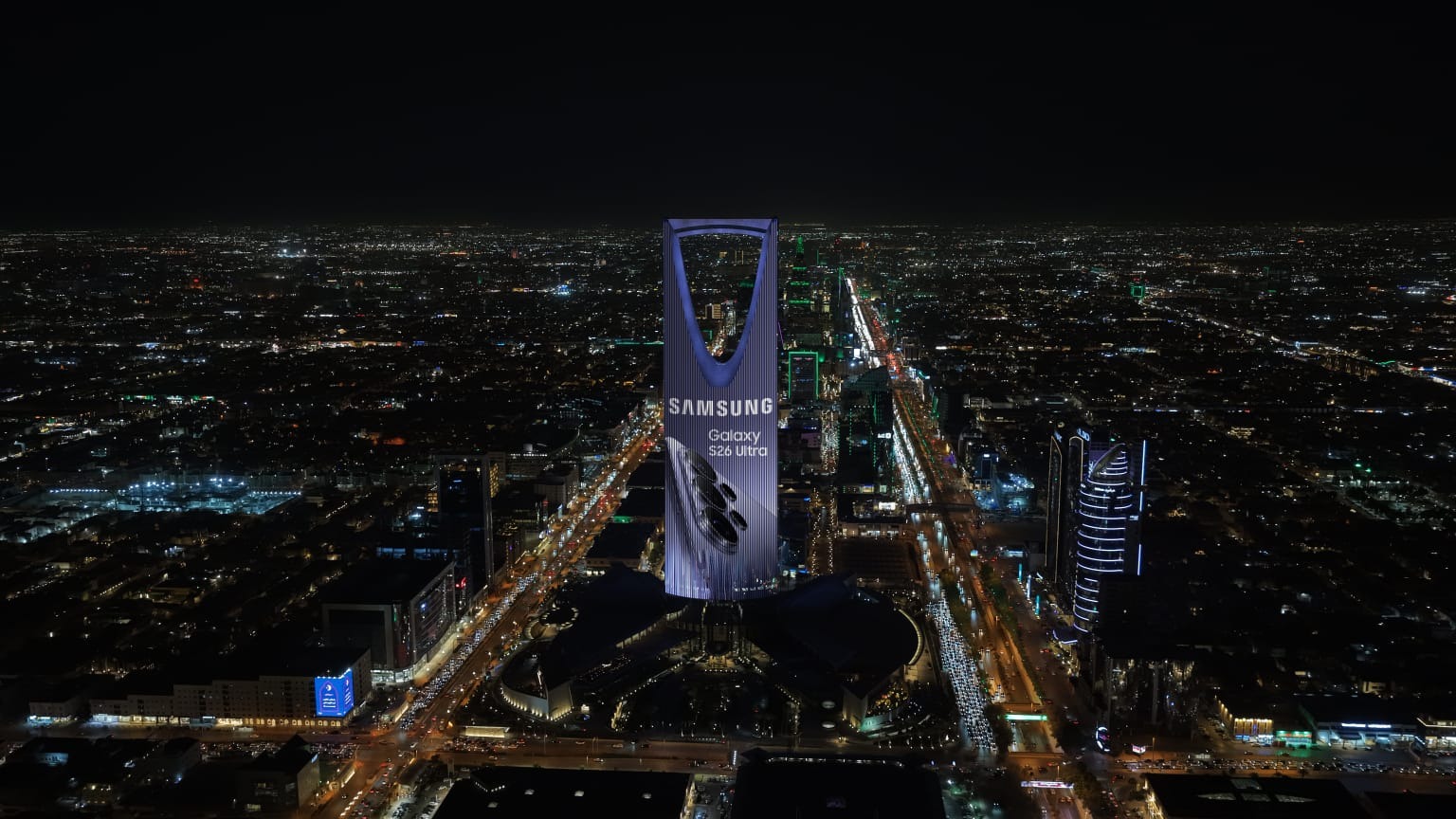
Samsung Galaxy S26 Series Launch Dominates Saudi Skies with Exclusive Rotana Signs Nationwide Takeover
منذ 23 ساعة . News
.jpeg)
Binghatti Delivers 10th Consecutive Record Quarter with AED 1.43 Billion Net Profit in Q1 2026
منذ يوم . News
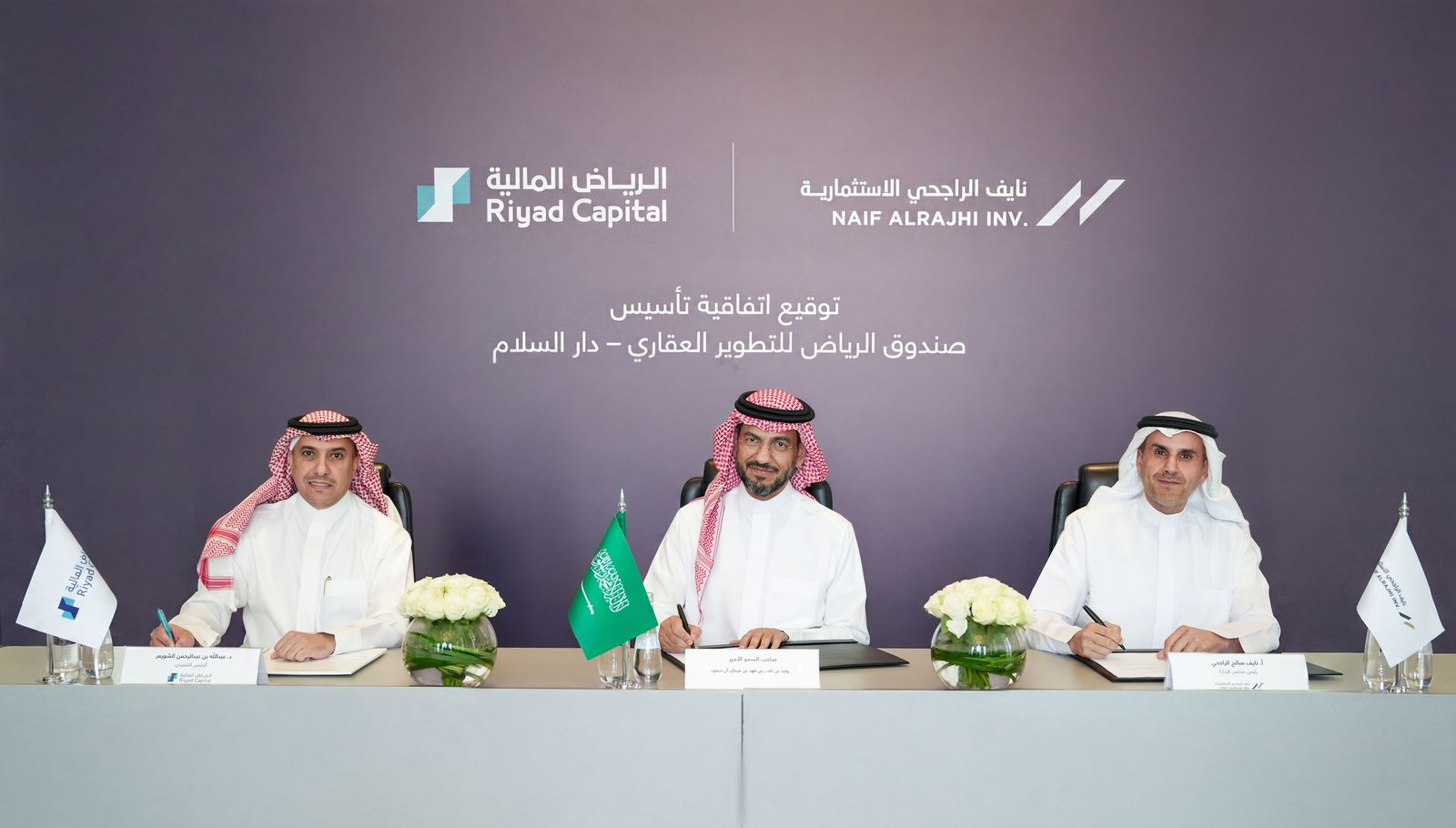
Riyad Capital and Naif Alrajhi Launch SAR 1.5B Real Estate Fund in Riyadh
منذ يوم . News

Samsung Calls on MENA’s Next Gen Creators to Join Season 3 of Galaxy Circle
منذ يومين . News