Pearl Initiative and Awqaf Abu Dhabi on Waqf Structures: Family Business Governance, Legacy, and Long-Term Impact in the UAE

Manal Saleh
Abu Dhabi, United Arab Emirates - 23, June 2026: As
philanthropy across the Gulf region continues to evolve towards more strategic,
structured and impact-oriented approaches, Pearl
Initiative and The Endowments and Minors Funds Authority (Awqaf
Abu Dhabi) recently convened business leaders, family offices,
philanthropists, foundations and corporate decision-makers for a discussion
examining the practical application of Waqf and its growing role within the
UAE’s economic and philanthropic landscape.
The webinar, “Waqf in Practice: Governance,
Structure, and Its Role in the UAE’s Economic Landscape”, explored how one
of the region’s most enduring philanthropic traditions is evolving to meet the
needs of a modern economy while retaining its core purpose of delivering
enduring social value. Moving beyond introductory concepts, the discussion
focused on how Waqf is being designed, governed and implemented today, and how
it can serve as a powerful mechanism for creating sustainable social and
economic value.
As interest grows in more intentional and sustainable models of
giving, the conversation explored the shift from short-term charitable
contributions towards structures that preserve capital, generate long-term,
multi-generational impact. Participants highlighted the continued relevance of
Islamic philanthropy and Waqf as a model for structured social investment.
A key theme throughout the session was Waqf’s ability
to combine wealth preservation with meaningful social impact. By safeguarding
endowed assets and directing returns to charitable and developmental
objectives, it supports national priorities, upholds donor intent, and extends
benefits beyond a donor’s lifetime. For family offices, the discussion
highlighted how Waqf can preserve wealth across generations, supporting
governance, succession planning, and reducing the risk of asset fragmentation
or conflict.
The discussion also explored how Waqf is increasingly
part of the UAE’s broader economic and development agenda, supported by strong
governance, transparent oversight, and a growing ecosystem of institutions
advancing sustainable philanthropy. Participants also examined how Waqf is
evolving into a modern, active vehicle that supports this agenda while making
structured and impactful giving more accessible to a broader range of donors.
Participants explored practical pathways for
individuals, family businesses, foundations and corporates to engage with Waqf,
alongside growing public-private collaboration to unlock greater impact from
philanthropic capital. The conversation highlighted that strong governance,
clear accountability and effective impact measurement are key to strengthening
donor confidence and ensuring long-term value from philanthropic assets.
For businesses in particular, the discussion
highlighted the opportunity to move beyond traditional corporate social
responsibility models and consider how structured philanthropic mechanisms can
become part of a broader long-term value creation strategy. As organisations
increasingly seek to align commercial success with societal impact, Waqf
presents a compelling framework through which businesses can contribute to
sustainable development while embedding purposes more deeply into their
operations.
Awqaf
Abu Dhabi shared insights into its role in
regulating, preserving and developing endowed assets, and how effective
stewardship supports long-term social and economic value creation. Mandated to
manage Abu Dhabi’s endowments, it continues to strengthen the sector’s
contribution to sustainable development through innovative investment
approaches, responsible stewardship, and ensuring endowed assets generate
lasting value for current and future generations.
The discussion reflects Pearl Initiative’s
ongoing commitment to advancing corporate governance and strengthening a
culture of transparency, accountability and responsible leadership across the
Gulf. By convening leaders from the business and philanthropic communities, the
organisation continues to highlight how strong governance frameworks underpin
effective philanthropy, strengthen institutional resilience, and support
long-term social and economic progress.
مواضيع ذات صلة

IHG Hotels & Resorts recognised as a top employer across the Middle East
منذ 7 ساعات . News
Pearl Initiative and Awqaf Abu Dhabi on Waqf Structures: Family Business Governance, Legacy, and Long-Term Impact in the UAE
منذ 7 ساعات . News
Tourist spend in Saudi Arabia reaches SAR82.7 billion as Q1 guest numbers grow to 37.2 million – Cavendish Maxwell
منذ 7 ساعات . News
Schematic design under way at Cheval Maison Sulaymaniyah as ground works progress
منذ 7 ساعات . News

LuLu Partners with Saudi’s Leading Ride App Jeeny for Massive World Cup Campaign with Prizes Worth SAR 300,000
منذ 8 ساعات . News
.jpeg)
HUAWEI MatePad Pro Max Delivers Big‑Screen Immersion in the Lightest 13-inch Form, Powered by a Full Productivity Suite
منذ 8 ساعات . News
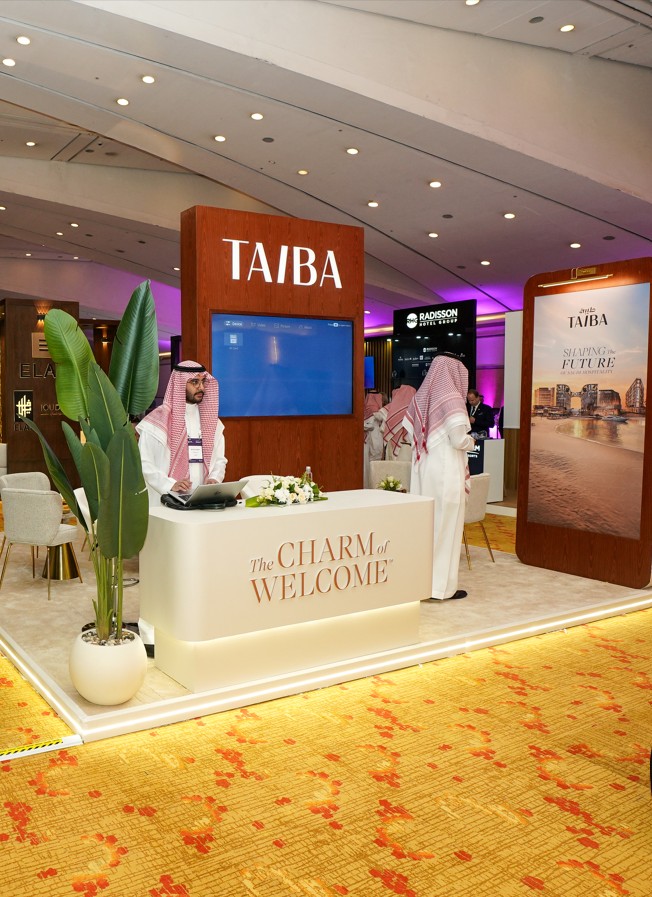
As a "founding Partner" of the 4th edition of the "Future Hospitality Summit 2026 KSA: TABIA showcases its strategic role in the transformation of the sector
منذ 8 ساعات . News
.jpeg)
Kyndryl introduces Sovereignty Readiness Assessment and Solutioning to support business continuity
منذ 12 ساعة . News
.jpeg)
HONOR Introduces HONOR Magic V6 and Launches HONOR Business at a Landmark Launch Event in Riyadh
منذ 12 ساعة . News