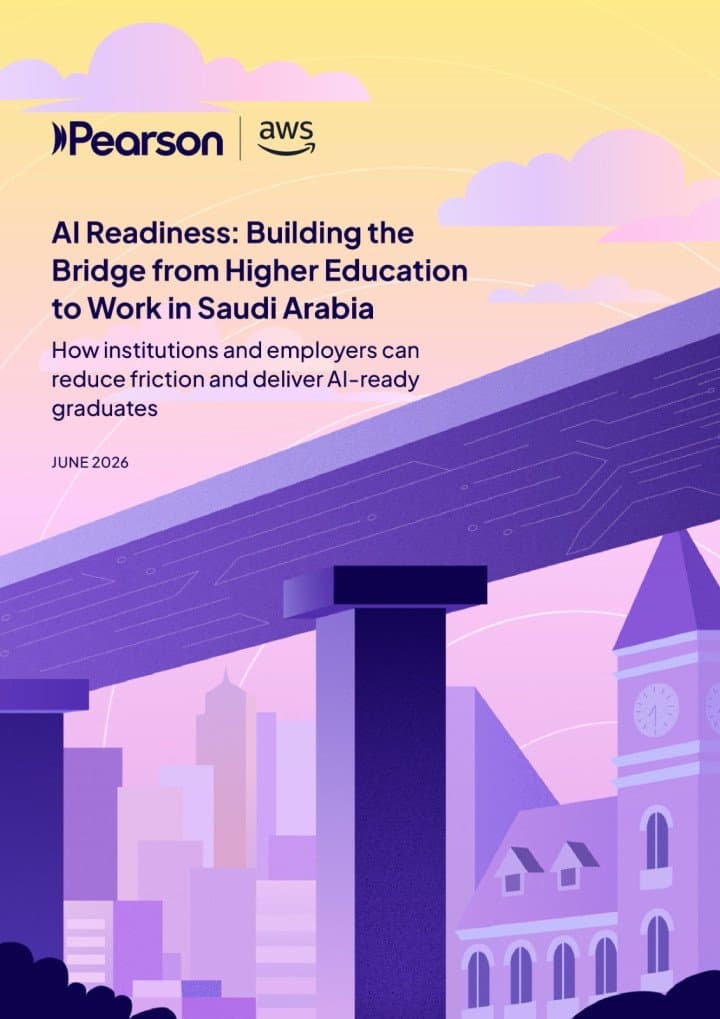
New Pearson and AWS Research: 88% of Saudi Higher Education Leaders Say AI Investment Is Improving AI-Readiness for Graduates

Rashad Iskandrni
Saudi Arabia's strong institutional
investment and employer engagement to turn AI access into applied workplace
capability
RIYADH, Saudi Arabia - June 18, 2026: Pearson (FTSE: PSON.L), the world’s lifelong
learning company, and Amazon Web Services, Inc. (AWS), an Amazon.com, Inc.
company (NASDAQ: AMZN), today announced the launch of new research revealing
the knowledge gaps that must be addressed to help graduates build stronger AI
readiness to prepare for an AI-enabled future
In Saudi Arabia, the findings show strong
alignment between higher education and workforce needs, with a clear
opportunity to turn AI access into workplace capability that supports Vision
2030
The Data
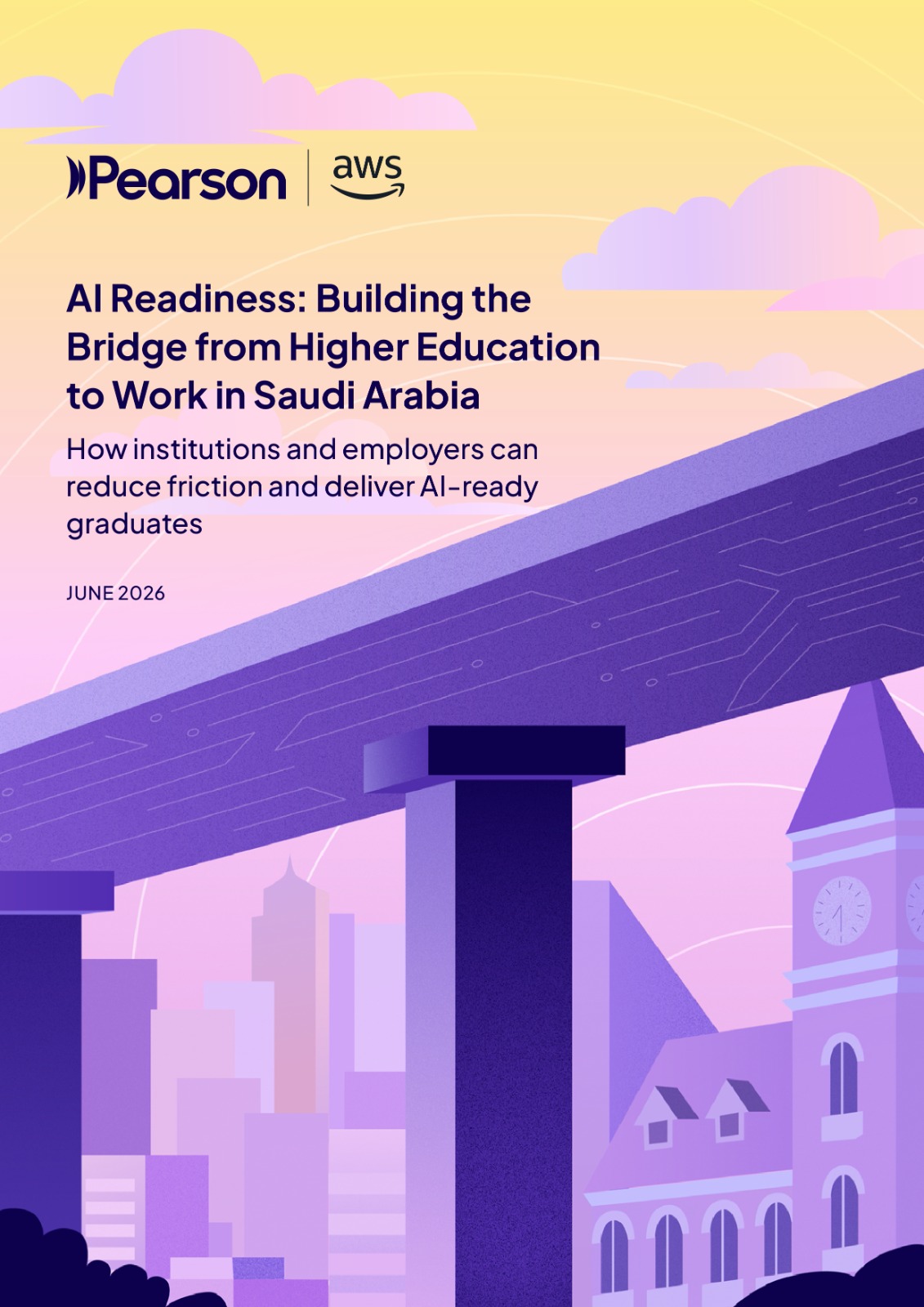
The report, AI Readiness: Building the Bridge
from Higher Education to Work, draws on more than 2,700 survey responses from
learners, higher education leaders, and employers across six countries,
including Saudi Arabia, the U.S., the U.K., Brazil, Vietnam and Malaysia, and
is supplemented by in-depth interviews with higher education leaders.
The KSA findings offer a unique view across
the learning-to-work journey, with the Kingdom showing strong alignment between
institutional investment, learner confidence, and employer satisfaction with
graduates.
88%
of higher education leaders describe AI investment at their institution as
significant or moderate.
Approximately
90% of Saudi employers say graduate workplace readiness is much or somewhat
better than it was five years ago, substantially above the cross-market average
of 60%.
43%
of Saudi learners rate themselves as highly ready for an AI-enabled workforce.
94%
of Saudi higher education leaders report regular interaction with employers, a
strong foundation for aligning learning with workforce needs.
The
clearest opportunity is in applied experience: while Saudi learners report
strong access to AI tools and instruction, one in three wants more hands-on,
workplace-relevant practice to turn access into skills capability
This data comes at a moment when artificial
intelligence is reshaping entry-level roles, skill durability is declining, and
workforce readiness is at risk worldwide. While AI adoption is accelerating
across industries, the research shows that AI readiness is breaking down at the
point of execution, where learning must translate into applied workplace
capability, rather than from a lack of ambition or access
“Saudi Arabia has created strong momentum for
AI readiness by placing skills, education and workforce alignment at the centre
of its national agenda. With AI talent development now a clear priority and
large-scale capability-building already underway, the opportunity is to
translate this ambition into practical, workplace-ready graduate skills.
Pearson and AWS are working together to bridge the gap between higher education
and employers, supporting institutions with learning, assessment, and
credentials that prepare Saudi talent for an AI-enabled economy.” said Tony
Lteif, Global Revenue Officer, English Language Learning and Saudi Country
Ambassador for Pearson
"This AI readiness research with Pearson
reveals that our primary opportunity is to help translate AI tool engagement
into real workplace capability. AWS is committed to working alongside our
education partners to ensure every learner develops AI literacy, in addition to
the judgment, adaptability, and hands-on experience employers need,” said Kim
Majerus, Vice President of Global Education and U.S. State & Local
Government at Amazon Web Services.
The Solution
AI readiness does not emerge by accident. It
depends on structured, shared systems that connect curriculum to real work.
Readiness is built where learning and work connect
The KSA findings show strong foundations,
with the next focus on applied learning, responsible AI trust, and the
strategic and human skills employers continue to value
To help leaders across education and
enterprise move from diagnosis to action, the report introduces the AI
Readiness Friction Framework, a practical tool that identifies six compounding
frictions that slow progress across the education-to-work pathway. The report
also provides concrete actions to remediate each friction point
Pace
Friction: The widening gap between the speed of AI-driven workplace change and
the slower cadence of curriculum and institutional decision-making
Connection
Friction: Weak feedback loops between education and employers, reducing
alignment between workforce needs and learning design
Capability
Friction: Uneven faculty and instructor AI capability, limiting consistent
integration of AI into learning experiences
Governance
Friction: The absence of clear, practical guidance translating AI access into
responsible, governed practice, resulting in shadow AI use that carries risk
into the workplace
Experience
Friction: A disconnect between access to AI tools and structured opportunities
to practice, apply, and demonstrate real-world capability
Skills
Friction: Misalignment between the capabilities graduates demonstrate and the
applied judgment, adaptability, and collaboration employers require in
AI-enabled roles
By combining Pearson’s expertise in education
systems, assessment, learning science, credentialing, and workforce skills with
AWS’s deep insight into how AI is built, deployed, and governed in modern
organizations, the report offers a shared framework to help institutions and
employers align around a common definition of AI readiness and a clearer path
forward
The KSA findings show that continued
collaboration between higher education and employers can help translate
national AI ambition into workplace-ready capability
AI Readiness: Building the Bridge from Higher
Education to Work is now available in both Arabic and English
مواضيع ذات صلة

Reform Athletica Marks International Yoga Day with Exclusive Wellness Experiences and Brand Activations
منذ 21 ساعة . News

ClearSkies Launches DNS Shield in Saudi Arabia to Strengthen Cyber Resilience Against Emerging DNS-Based Threats
منذ يوم . News
.jpeg)
A Foldable That Fits Saudi Football’s Busiest Months
منذ يوم . News
.jpeg)
Jewels of the World returns to Al Khobar
منذ يوم . News
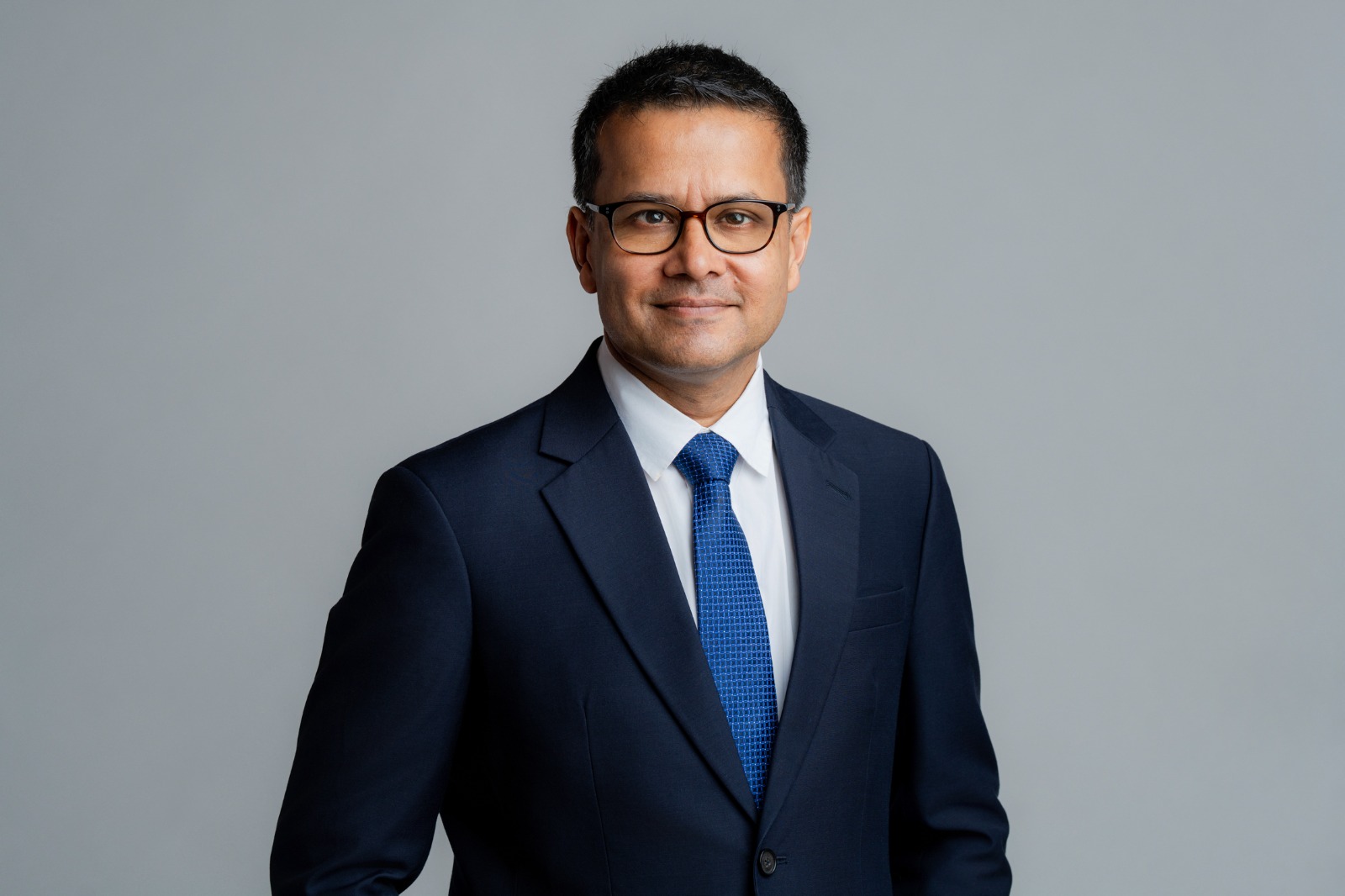
Citi Appoints Rajeev Garg as New Head of Wealth for the UAE
منذ يوم . News
Nearly half of institutional investors plan to increase EM private credit allocations as pressure builds in developed markets, finds Gemcorp Capital
منذ يوم . News
SICO Capital Introduces Its 3rd Equities Fund – the GCC Dividends Fund
منذ يوم . News
New Pearson and AWS Research: 88% of Saudi Higher Education Leaders Say AI Investment Is Improving AI-Readiness for Graduates
منذ يوم . News
Saudia Cargo Unveils ‘Reliable Solutions, Certified Excellence’ Campaign to Highlight Specialized Services Across Global Supply Chains
منذ يوم . News