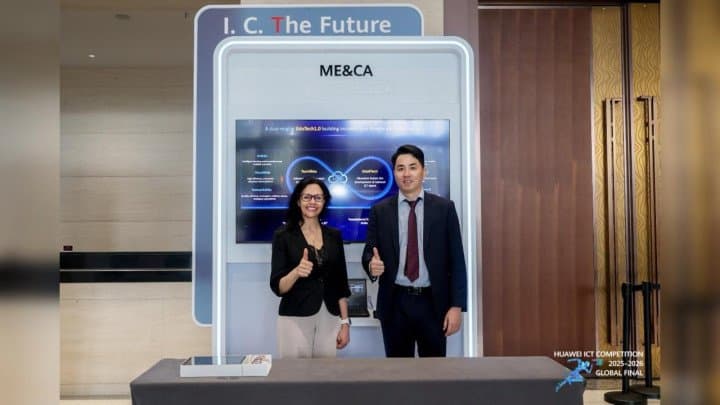
Huawei Launches EduTech1.0 Framework to Advance Intelligent Education and Digital Talent Development

Rashad Iskandrni
[Shenzhen,
China, June 5, 2026] During the Huawei ICT Competition 2025–2026 Global Final,
Huawei officially launched the EduTech1.0 Framework, a comprehensive framework
designed for educational institutions, governments, and industry partners to
advance intelligent education through both technology-enabled learning
innovation and digital talent development. The framework aims to accelerate the
transition from digital education to intelligent education while helping build
a more inclusive, personalized, and sustainable learning ecosystem.
The
EduTech1.0 Framework adopts an integrated approach that combines intelligent
education transformation with digital talent cultivation. By bringing together
technology infrastructure, AI-enabled educational innovation, and ICT talent
development, the framework provides a structured pathway for building
future-ready education ecosystems and preparing learners for the digital
economy.
As
countries across the Middle East and Central Asia continue to advance their
digital transformation agendas, education systems are increasingly exploring
the use of AI and digital technologies to enhance learning experiences and
develop future-ready talent. Yet many educational institutions still face
practical challenges, from managing isolated learning and administration
platforms to delivering personalized learning experiences at scale. Many are
also exploring how AI can effectively support teaching, student services, and
institutional management.
To
address these challenges, Huawei developed the EduTech1.0 Framework, providing
a practical model for integrating educational innovation, digital
infrastructure, and talent development into a unified ecosystem.
Alfie
Liu, Vice President of Huawei's Middle East & Central Asia ICT Marketing
& Solution Sales Department, and Dr. Shafika Isaacs, Director a.i., UNESCO
Institute for Information Technologies in Education and Chief of Section for
Technology and AI in Education, unveiling Huawei’s EduTech1.0 Framework
At
the heart of EduTech1.0 is a dual-engine model built around two complementary
pillars: Tech4Edu and Edu4Tech. Tech4Edu focuses on using
digital technologies to transform education, while Edu4Tech focuses on
developing the digital talent needed to support future innovation and economic
growth.
On
one side, Tech4Edu leverages advanced digital technologies to transform the
education sector. Through AI-enabled learning environments, cloud-based
education platforms, and intelligent network infrastructure, EduTech1.0 helps
institutions deliver more personalized learning experiences, improve
operational efficiency, and expand access to quality education across diverse
learning scenarios.
On
the other side, Edu4Tech focuses on cultivating the next generation of digital
talent. By integrating foundational ICT curricula, industry-recognized
certifications, hands-on training, and online talent platforms, EduTech1.0
equips learners with competencies in artificial intelligence, cloud computing,
networking, cybersecurity, and other emerging technologies.
More
importantly, Edu4Tech aims to help countries build sustainable and self-reliant
AI talent pipelines. By enabling educational institutions to systematically
develop local digital and AI capabilities, the framework supports national
efforts to nurture homegrown talent, reduce skills gaps, and strengthen
long-term innovation capacity in the intelligent era.
Alfie
Liu, Vice President of Huawei's Middle East & Central Asia ICT Marketing
& Solution Sales Department, shared Huawei's insights into the future of
intelligent education and the role of AI in shaping next-generation learning
ecosystems.
“Intelligent
education is not simply about introducing new technologies into classrooms. It
is about fundamentally reimagining how educational institutions cultivate
talent, deliver learning experiences, and prepare learners for an AI-driven
future,” said Alfie Liu. “With EduTech1.0, Huawei proposes a holistic framework
that brings together intelligent education transformation and digital talent
development. By connecting technology, learning, and industry needs, we aim to
help educational institutions build more resilient, inclusive, and future-ready
education ecosystems, while empowering countries to cultivate their own AI
talent and innovation capabilities for long-term sustainable development.”
Echoing
the principles underpinning intelligent education transformation, Dr. Shafika
Isaacs, Director a.i., UNESCO Institute for Information Technologies in
Education and Chief of Section for Technology and AI in Education, highlighted
the importance of ensuring that AI-enabled educational innovation remains
equitable, inclusive, and human-centered.
“Artificial
intelligence presents a historic opportunity to reimagine education, but
technology alone cannot transform learning. Meaningful transformation requires
a shared commitment to equity, quality, and human-centered innovation. As
education systems adapt to the digital age, our collective responsibility is to
ensure that technology expands opportunities for all learners while helping
societies develop the knowledge, skills, and values needed for a sustainable
future,” said Dr. Isaacs.
By
connecting intelligent education with digital talent development, EduTech1.0
creates a virtuous cycle in which technology advances learning and learning
cultivates future innovators. Through this approach, Huawei aims to support
governments, educational institutions, and industry stakeholders in building
education systems that are better prepared for the AI era while strengthening
national AI talent ecosystems and contributing to long-term economic and social
development.
مواضيع ذات صلة
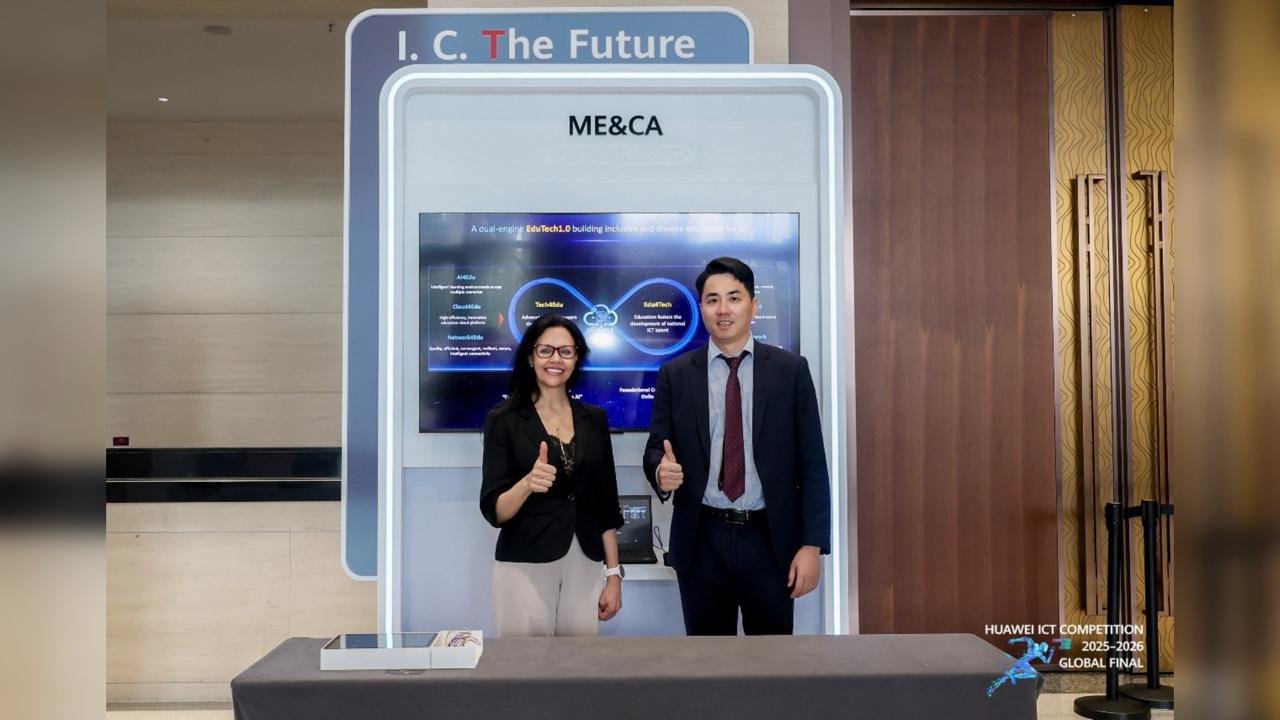
Huawei Launches EduTech1.0 Framework to Advance Intelligent Education and Digital Talent Development
منذ 6 ساعات . News

ClearSkies Strengthens Cyber Resilience for Saudi Financial Services as Cashless Transformation Accelerates
منذ يوم . News

Smartwatch Breakthrough: HUAWEI WATCH FIT 5 Pro Elevates Diabetes Risk Awareness With Advanced Tracking
منذ يوم . News

Momcozy Celebrates Global Parents' Day showcasing Products Built for How Families Actually Live
منذ يوم . News
Samsung Introduces Next-Gen Galaxy Watch Features for AI-Powered Everyday Health Companion
منذ يوم . News

CH Carolina Herrera Summer Essentials 2026
منذ يوم . News

Saudi Venture Capital (SVC) Appoints Nora Alsarhan as CEO
منذ يومين . News
GMI Cloud and Magna AI Partner to Expand Global Sovereign AI Infrastructure
منذ يومين . News

Hoppers is now streaming alongside your favorite animated classics only on Disney+
منذ يومين . News