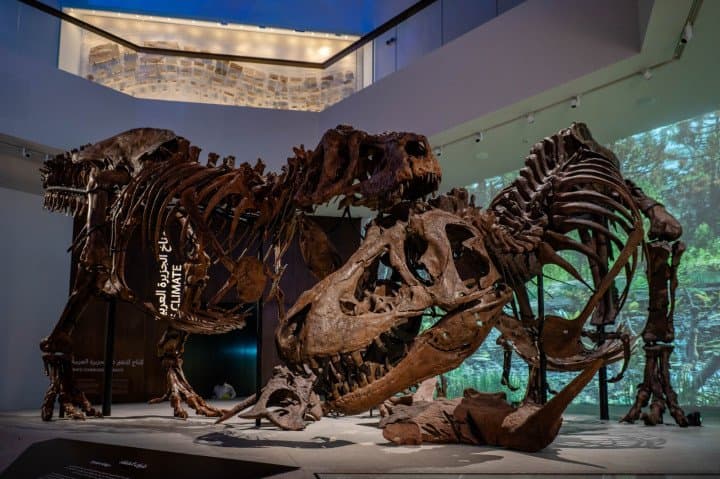
The Abu Dhabi Museum of Natural History Showcases Unique Exhibits and Rare Scientific Collections

Manal Saleh
Abu Dhabi, November 21, 2025 - The Abu Dhabi Museum of Natural History continues to shine as a leading scientific destination, proudly presenting a diverse array of exhibits that include approximately 2,600 specimens on display and around 7,000 specimens within its scientific collections.
Highlighted Exhibits at the Museum
Blue Whale Skeleton
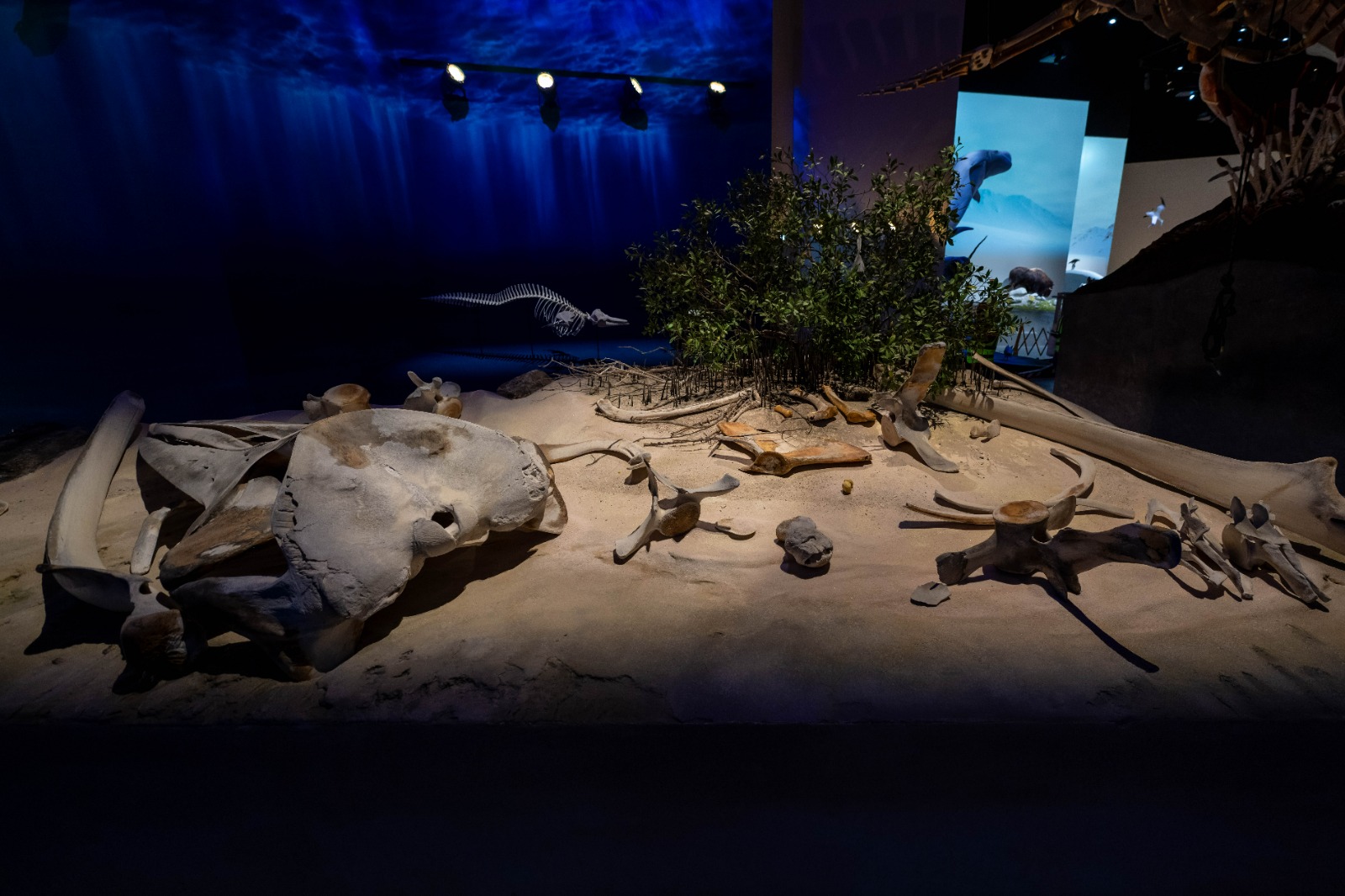
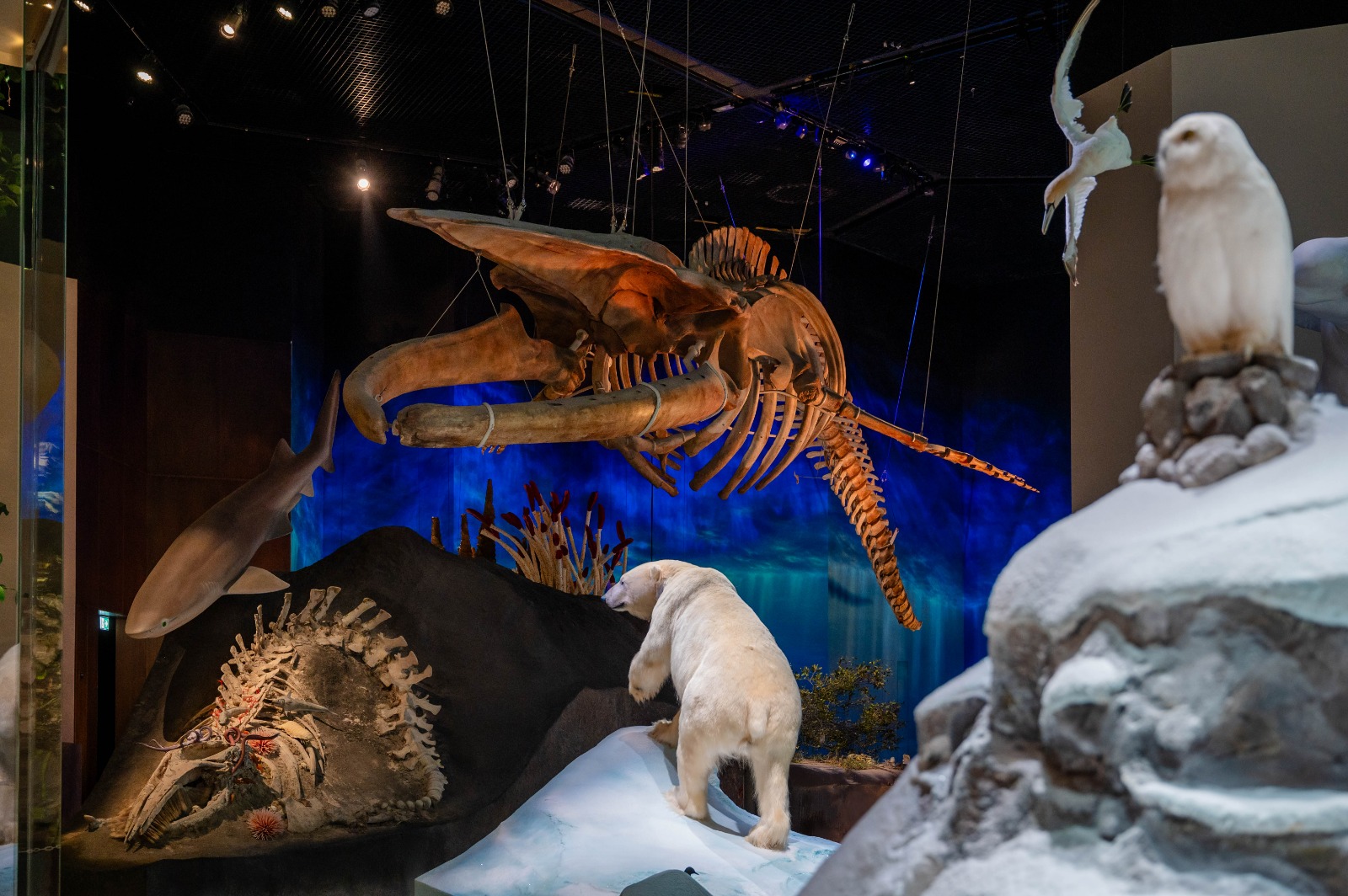
The blue whale skeleton (Balaenoptera musculus) is one of the museum’s standout exhibits. Measuring approximately 25 meters in length and composed of 189 bones, it was washed ashore on the east coast of Canada in 2021. The blue whale is considered the largest creature ever known, and global conservation efforts have begun to help it recover from previously dwindling populations.
Murchison Meteorite
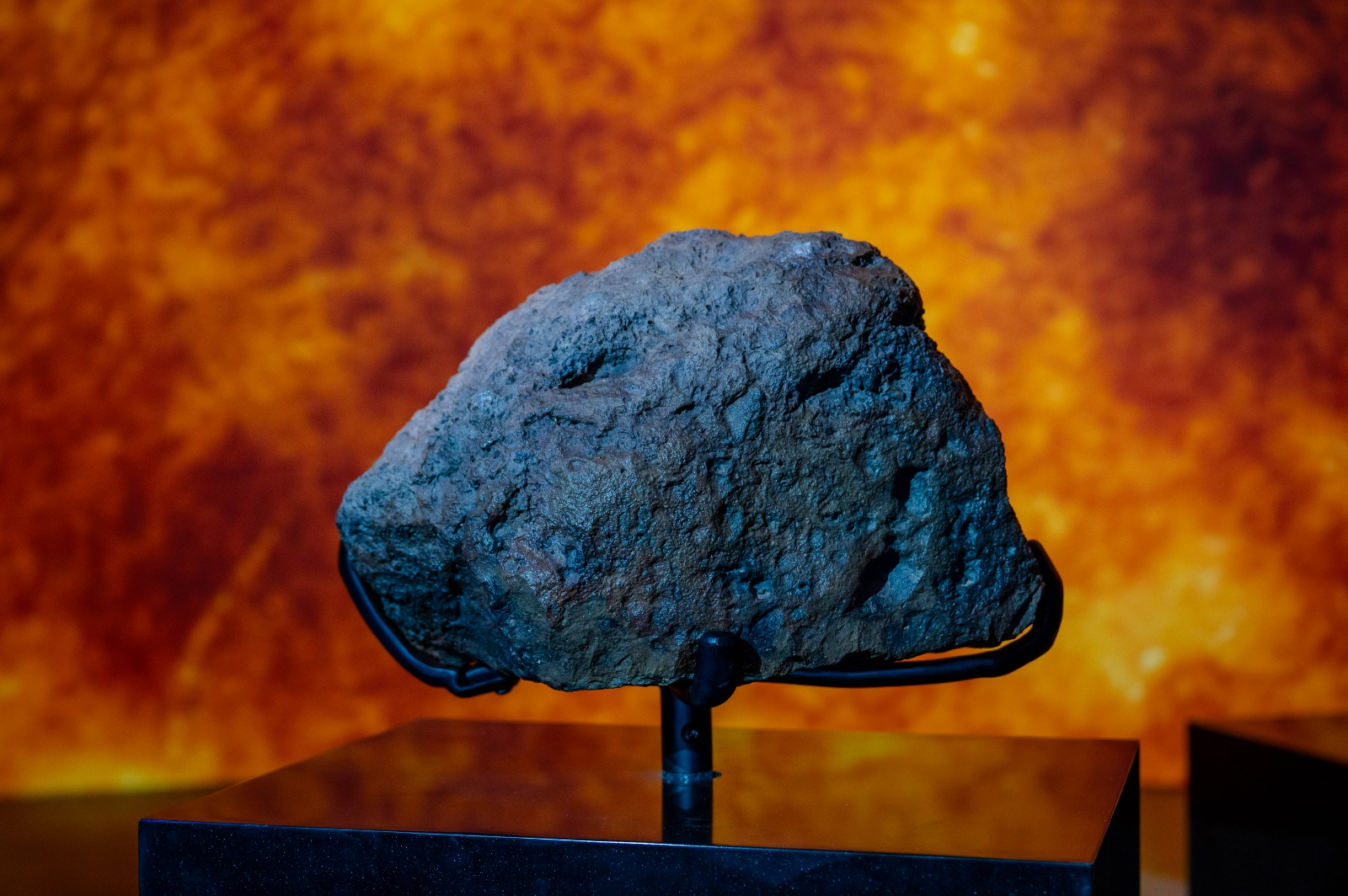
The museum also houses the Murchison meteorite, regarded as one of the rarest carbonaceous chondrites. This meteorite fell to Earth about 4.5 billion years ago from the asteroid belt. Scientists are studying its unique components, which include amino acids and organic materials, to help understand the origins of life itself.
Enhancing Education and Environmental Awareness
These exhibits are part of the museum's mission to promote scientific
understanding and environmental awareness. The museum strives to provide a rich
educational environment where visitors can learn about the importance of these
unique creatures and their roles in ecosystems.
Harpy Eagle
The Harpy Eagle, also known as the deceptive eagle, is among the largest
eagles in the world, measuring between 850 and 1100 mm in length and wing spans
of 1700 to 2250 mm. Currently classified as a Near Threatened species due to
habitat destruction from human activity, it resides in the Amazon rainforest
and is known for its strength and ability to prey on animals such as sloths and
monkeys.
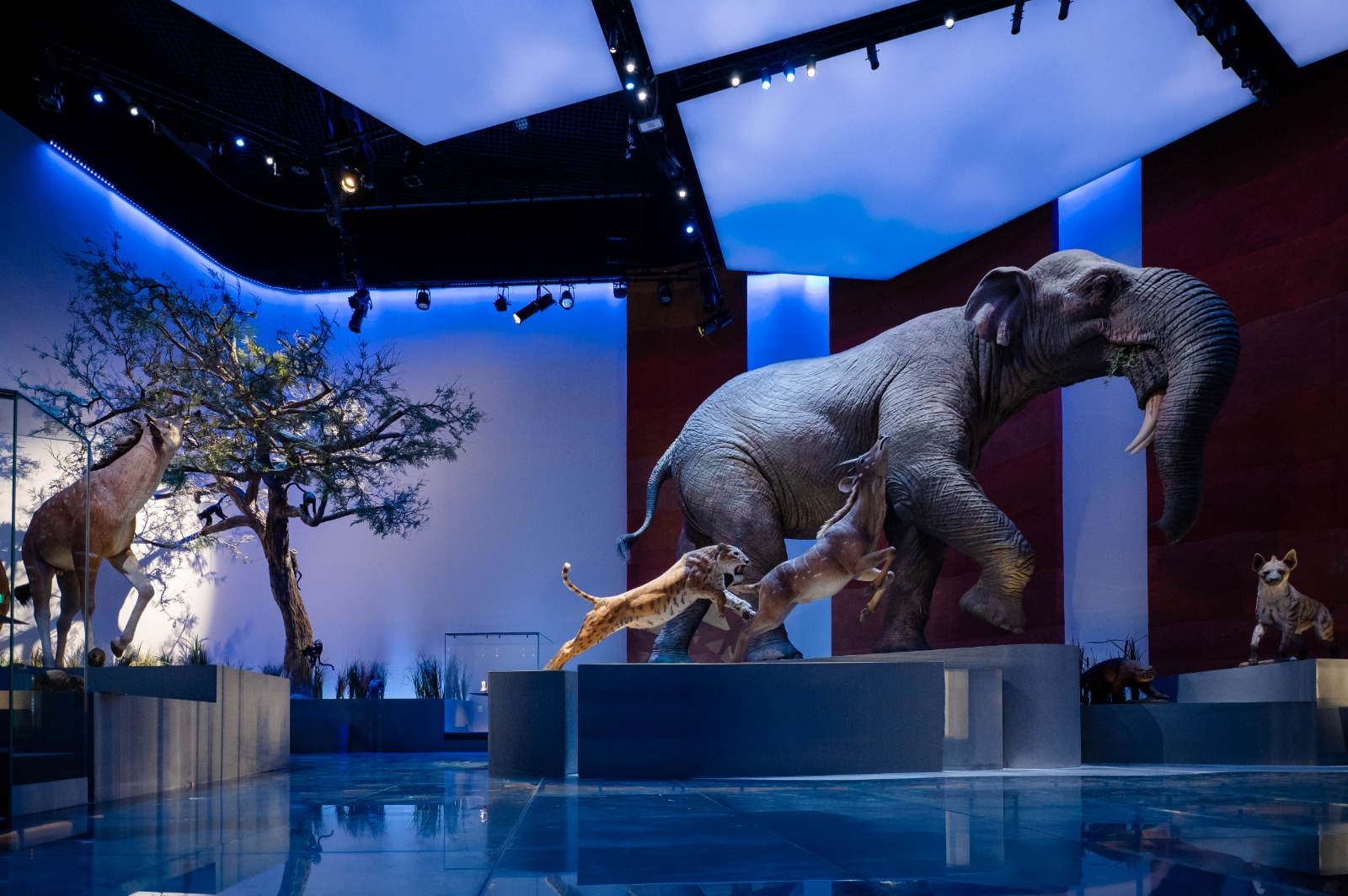
Stegotetrabelodon emiratus
The fossilized remains of Stegotetrabelodon emiratus represent one of
the most important discoveries in the museum. This fossil, the largest from the
Miocene era found in the Arabian Peninsula, reveals the rich environment of
water and vegetation that once existed in the region, providing a vital
historical perspective on climate change.
A Rich Collection of Animals and Meteorites
In addition to the blue whale skeleton, the museum features other
remarkable specimens, including the Murchison meteorite and the Harpy Eagle.
These additions illustrate the profound impact of environmental protection and
the lessons they offer about biodiversity.
Conclusion
The Abu Dhabi Museum of Natural History serves as a vibrant platform for
education and research, demonstrating its commitment to educating the public
about the importance of biodiversity conservation and understanding the
planet's history. The museum invites everyone interested to explore these
unique exhibits and immerse themselves in the world of nature.
For more information about current exhibits, please visit the official website of the Abu Dhabi Museum of Natural History.
End
مواضيع ذات صلة
Armah Sports Debuts on Saudi Main Market, Targets 50-Club Network by 2030
منذ 57 دقيقة . News

# Disty Holdings Is Reimagining Procurement with AI
منذ 21 ساعة . News

Nutanix Showcases "One Platform, One Experience" at LEAP Saudi Arabia 2026, Highlighting AI, Hybrid Multicloud and Cloud-Native Innovation
منذ يوم . News
.jpeg)
Garmin Opens First Riyadh Store and Launches fēnix 9 Series in Saudi Arabia
منذ يومين . News

Award-Winning Portuguese Chef Ana Magalhães Leads the Culinary Vision at Tabrah, Nujuma, a Ritz-Carlton Reserve
منذ يومين . News

Saudi Wood Expo opens next week at Riyadh Front Exhibition & Conference Center, bringing wood solutions and international expertise from 30 countries
منذ يومين . News

Samsung Galaxy S26 FE: Delivering the Latest Flagship Experience, Focused on What Matters Most
منذ يومين . News

Logitech brings the future of AI-powered workplaces to LEAP 2026
منذ 3 أيام . News
.jpeg)
IFS Brings Industrial AI From Experimentation to Execution at LEAP 2026
منذ 3 أيام . News