Cleaning Beats Karak: Clorox Brain Study Reveals Unexpected Mood Booster

Manal Saleh
·
In a
region chasing micro-moments of joy, like drinking Karak, gaming, or scrolling,
cleaning might be the most overlooked feel-good ritual of all.
·
A new
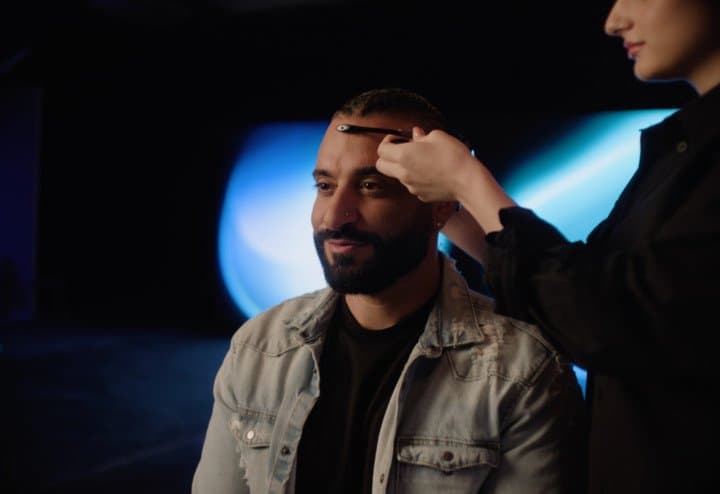
neuroscience-led experiment by Clorox in the UAE and KSA used EEG headsets to
measure real-time brain responses during cleaning vs. feel good rituals.
·
Participants
experienced a 20% higher “Feel Good Index” score during cleaning than during
their chosen feel-good ritual.
·
A
supporting Censuswide survey across UAE and KSA showed: 98% say cleaning
improves their mood
20 October
2025: In an age where exhaustion, burnout, and news
fatigue are pushing people to chase micro-moments of happiness, whether it’s
sipping Karak, playing video games, or scrolling through social media, a
surprising new contender is emerging: cleaning.
Clorox’s new Good vs. Good experiment in the Middle East aims to clean up some of the myths around what truly makes us feel good. And the brand has taken a bold step to prove it - through neuroscience with consumer insight, and the results are both surprising and refreshingly relatable.

The
Experiment
To test just how
rewarding cleaning can be, Clorox conducted a neuroscience study in the UAE
using EEG (electroencephalogram) technology. Participants, including famous
Radio Presenter and entrepreneur, Kris Fade, Saudi influencer, Joud Aziz, and
others were fitted with EEG headsets to monitor brain activity in real time as
they completed two types of tasks: one cleaning related, and one personal “feel
good” ritual such as playing video games, drinking Karak, or watching content
online.
The results were
surprising: on average, participants experienced a 20% higher “Feel Good Index”
score during cleaning than during their chosen feel-good ritual. For instance, one participant saw a 54% mood boost when mopping versus
eating ice cream, while another recorded a 31% higher “Feel
Good Index” while cleaning than
when watching their favorite videos.
According to David
Melcher, Ph.D., Professor of Psychology, who oversaw the experiment, “These
sensors measure brain waves and give us a glimpse into what the brain is doing.
By measuring these differences, we created our “Feel Good Index” which provides
a read on positive emotions.” He adds, “What we saw consistently is that
cleaning triggered measurable boosts in the brain likely due to the sense of
accomplishment, control, and clarity that comes from a tidy space.”
Survey-Backed
Insight
To support the
findings, Clorox conducted a survey across the UAE and Saudi Arabia in
partnership with independent research consultancy Censuswide. The survey
revealed that 98% of respondents say cleaning improves their mood. 96% reported
feeling better after cleaning or even just walking into a freshly cleaned
space. Nearly half (46%) said they always clean to feel better, more than
double the U.S. average of 21%. Of those who do the cleaning themselves, 99%
consider it a form of emotional support or stress relief.
Participants
described the emotional payoff of a clean space with words like joyful,
refreshed, and calm. Seventy-four percent said a clean home made them feel
joyful, 68% felt refreshed, 62% felt calm, and others reported feeling
energized, proud, and more in control of their environment. These emotional
associations are especially relevant in a time when burnout, screen fatigue,
and stress are common experiences across the region.
“We’re not
saying give up your Karak or your candles,” said George Rechdan, MENA
Marketing Director at The Clorox Company. “But don’t underestimate how good a
clean home can feel. The results of this experiment show that cleaning with
Clorox offers a surprisingly powerful emotional payoff, sometimes even more
than our go-to indulgences.”
Following the
global success of its “Clean Feels Good” platform in the U.S., Clorox has
brought its purpose-led narrative to the Middle East with Good vs. Good
experiment to explore the emotional impact of cleaning compared to popular
feel-good rituals.
So whether it’s
a Sunday deep clean or a midweek wipe-down, the science now shows that cleaning
can be more than just a chore, it can be a legitimate path to feeling good.
-
End –
Methodology:
The
research was conducted by Censuswide with 2,001 General Consumers (Aged 16+) in
UAE and KSA between 28.07.2025-04.08.2025. Censuswide abide by and employ
members of the Market Research Society which is based on the ESOMAR principles
and are members of The British Polling Council.
To learn more about the
experiment, visit https://cloroxarabia.com/en/good-vs-good/
مواضيع ذات صلة

Minister of Industry and Mineral Resources Visits SADAFCO Facilities in Jeddah First Industrial City
منذ 8 ساعات . News
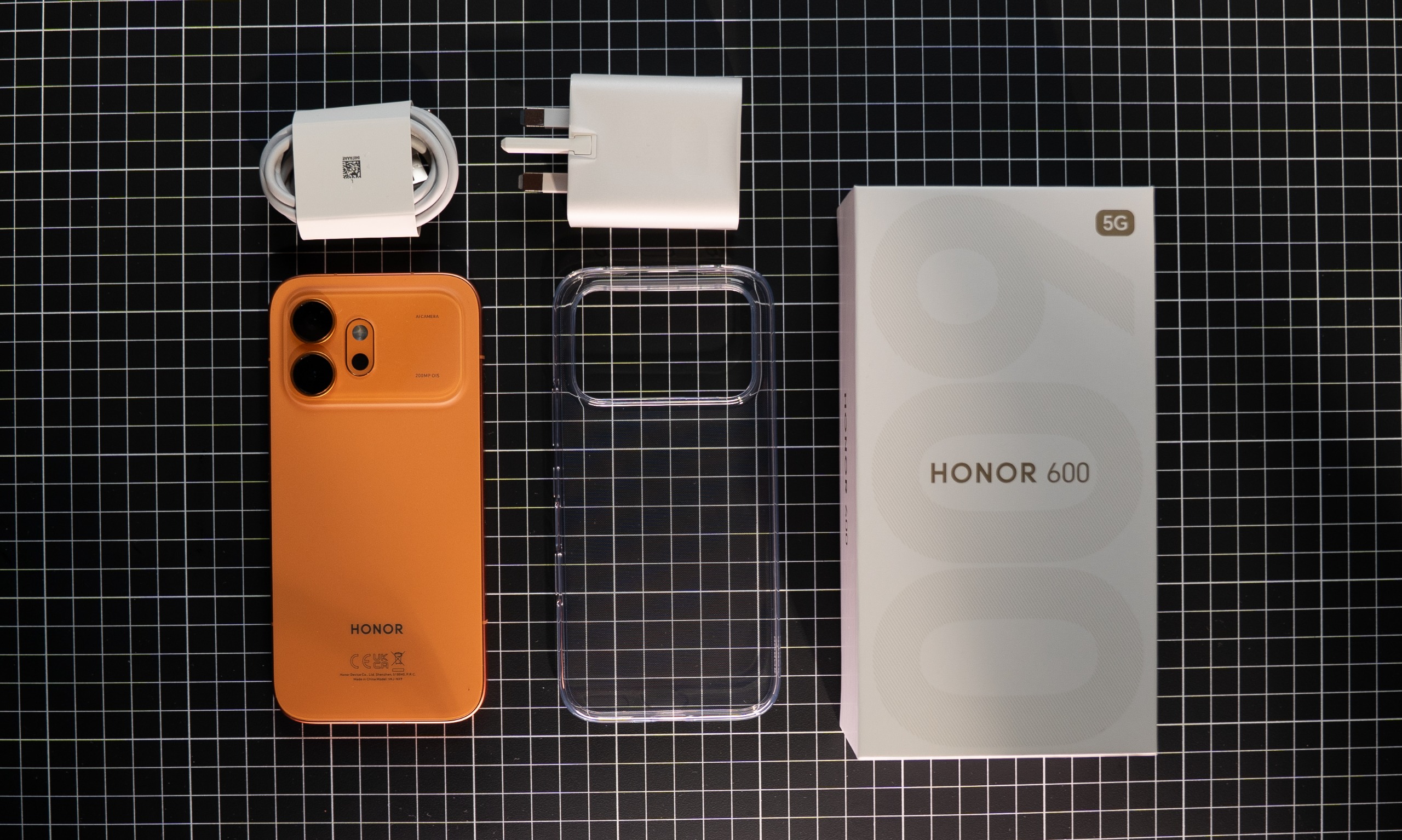
· Redefining Flagship: HONOR 600 Series Brings Top-Tier Features Without the Top-Tier Cost
منذ 16 ساعة . News
Higher dose Wegovy demonstrates nearly 28% weight loss in early responders according to new analyses presented at the European Congress on Obesity
منذ يوم . News

LG ENHANCES SUMMER COOLING WITH ADVANCED HVAC SOLUTIONS
منذ يوم . News
.jpeg)
RLC Fashion Summit 2026 in Milan Convenes Global Fashion CEOs as Industry Reassesses Growth Models
منذ يوم . News
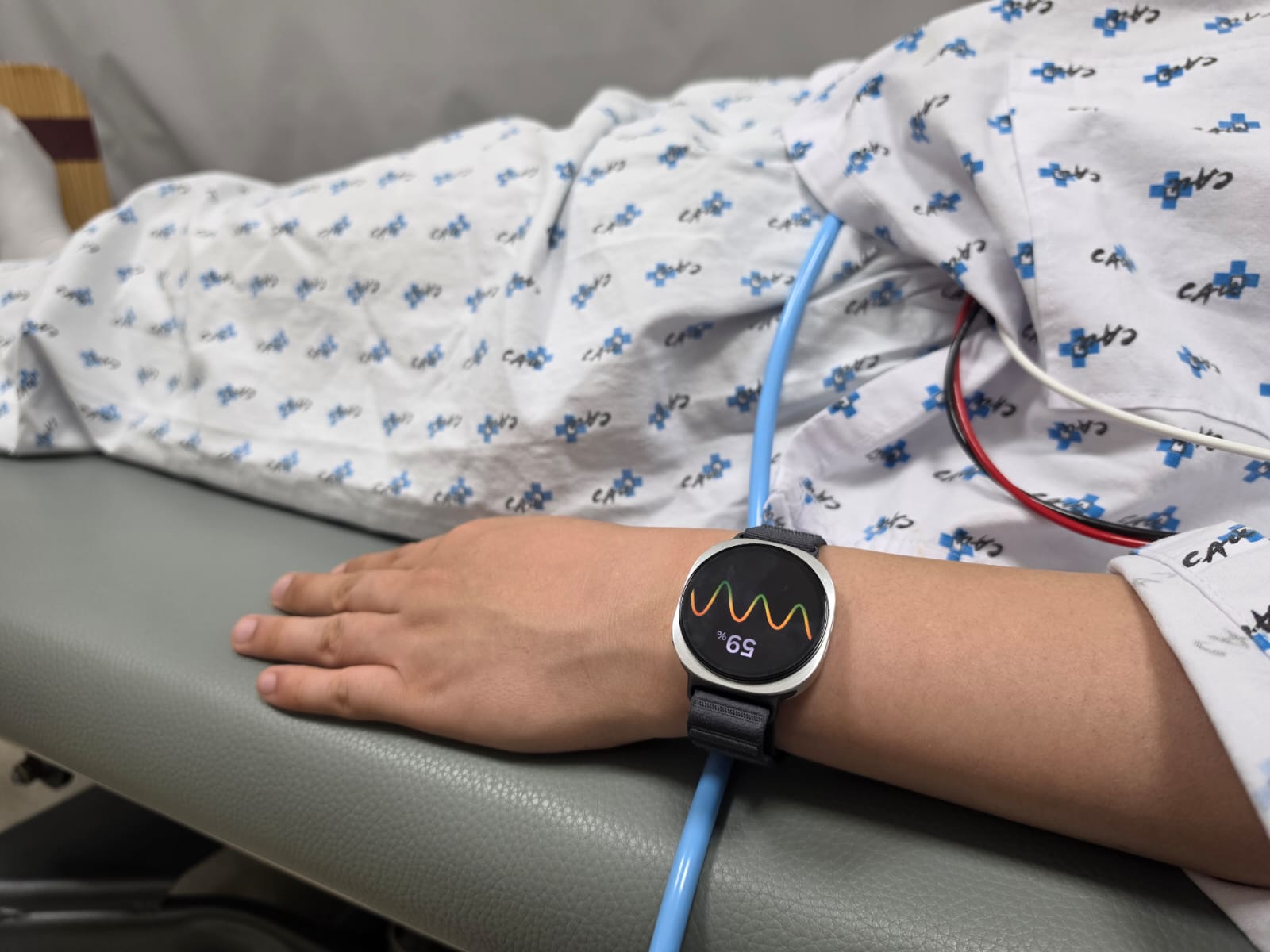
Samsung Announces World-First Breakthrough in Fainting Prediction With Galaxy Watch
منذ يوم . News
.jpeg)
Mansard Riyadh Launches “Eid in Paris… Riyadh Edition” for an Elevated Eid Al-Adha Staycation
منذ يوم . News
.jpeg)
Radisson Hotel Group welcomes a new icon with the opening of Radisson Collection Residences, Riyadh
منذ يوم . News

HUAWEI AppGallery Elevates Traditional Baloot to Esports Status with $20,000 Tarbi3ah Challenge Finale in Riyadh
منذ يوم . News