
Cisco Unveils Unified Software Stack to Power Distributed Quantum Computing and Networking

Manal Saleh
Cisco introduces the industry’s first distributed
quantum compiler, eavesdropper-proof security demo, and entanglement-based
coordination tools to advance real-world use cases.
Riyadh, Saudi Arabia – October 7th, 2025 – Cisco, today, unveiled a unified quantum networking
software stack that enables quantum computers to work together as one system,
overcoming the hardware limitations of today’s machines. This enables
organizations to run quantum algorithms across multiple processors, while also
supporting new classical applications built on quantum networking.
There are three
research prototypes to advance Cisco’s quantum networking strategy. Each run on
a unified quantum networking software stack, which is the vital infrastructure
that makes quantum computers work together instead of alone:
- Quantum Compiler: The industry’s first network-aware
distributed quantum compiler, enabling algorithms to run across multiple
processors, alongside the first compiler supporting distributed quantum
error correction.
- Quantum Alert: An application demo for eavesdropper-proof
security with guarantees from physics, not promises from classical
software.
- Quantum Sync: A decision coordination application demo that
uses entanglement to enable correlated decision-making across distributed
locations for classical use cases.
Building the
Complete Quantum Networking Stack
Cisco has long believed in a full-stack approach to
building high-performance systems, designing custom silicon, integrated
hardware, and the software layers that manage them. This philosophy helped
pioneer many of the foundational technologies of the classical internet, from
data centers to wireless networks. The same systems-level strategy is now being
applied to quantum networking. Cisco is developing the complete stack,
including a quantum networking chip, control software with protocols and
controllers, and applications that bridge quantum and classical worlds.
Following the launch of the quantum network entanglement chip,
which is capable of generating more than 200 million entangled photon pairs per
second, Cisco is unveiling the software that makes quantum networking
operational.
The unified quantum
networking software stack has three layers of capabilities:
·
Applications:
Quantum networking applications for both quantum and classical use cases. This
includes the available network-aware distributed quantum computing compiler,
enabling efficient execution of algorithms in a networked quantum data center.
·
Control:
Protocols and algorithms that support diverse quantum networking applications
and manage the full range of hardware and software devices through defined
northbound and southbound APIs.
·
Devices: An
SDK and APIs for physical devices, complemented by a library of emulated and
simulated ones.
Mohannad Abuissa, Managing Director Solutions
Engineering and CTO, Cisco Middle East, Turkey, Africa, Romania and CIS says, “Quantum
networking represents the next frontier in computing, and these launches mark
an important step toward making it practical. By applying Cisco’s full-stack
approach to quantum, we are enabling secure communications and advanced
applications that bridge both classical and quantum worlds. These innovations
not only accelerates the path to real business value but also reinforces our
commitment to driving the region’s leadership in future-ready technologies.”
Solving
Classical Use Cases through Quantum Networks
While the industry debates when quantum computing will deliver business value,
Cisco’s application demos show that the time has arrived.
Quantum Alert provides provable eavesdropper detection by using
quantum physics to reveal interception attempts. Any tampering with entangled
photons changes their properties and triggers an alarm. It works alongside
existing encryptions, including post-quantum cryptography, and protects against
harvest-now-decrypt-later attacks.
Quantum Sync enables decision coordination across distributed
systems without message exchange. Using entanglement, two nodes receive
correlated outcomes, if one reads heads, the other reads tails. A key use case
is high-frequency trading, where milliseconds can mean millions. The demo is
powered by Cisco’s quantum network simulator running real protocols.
Making Quantum
Networking Real
The teams at Cisco Quantum Labs and Outshift
by Cisco have built a
complete software solution prototype for controlling, managing, and monitoring
entanglement-based quantum networks across applications both in the quantum and
the classical computing spaces. This approach works with any quantum computing
platform, whether superconducting, trapped ion, photonic or any other. Just
like Cisco did for the classic internet.
مواضيع ذات صلة

Minister of Industry and Mineral Resources Visits SADAFCO Facilities in Jeddah First Industrial City
منذ 16 ساعة . News
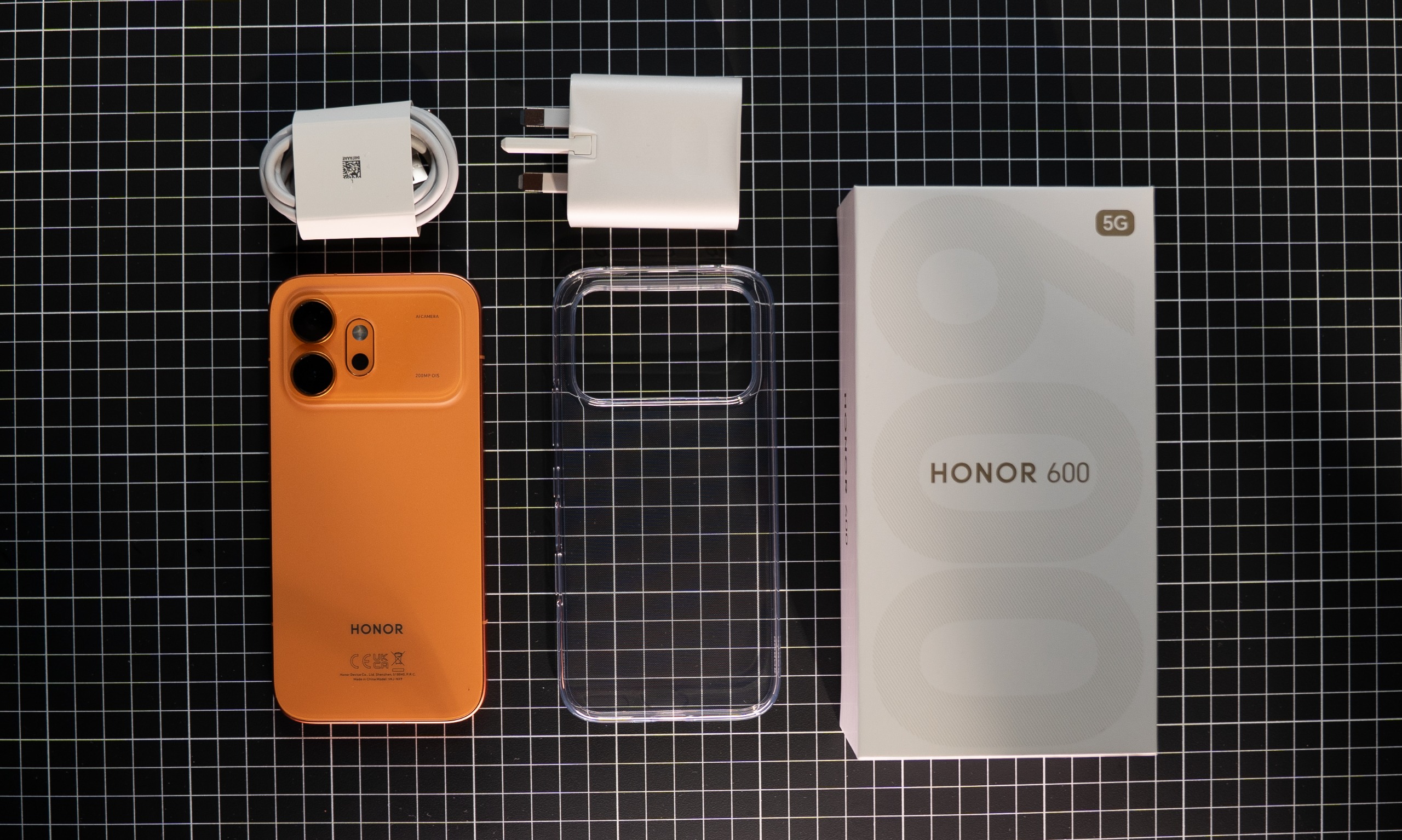
· Redefining Flagship: HONOR 600 Series Brings Top-Tier Features Without the Top-Tier Cost
منذ 23 ساعة . News

Higher dose Wegovy demonstrates nearly 28% weight loss in early responders according to new analyses presented at the European Congress on Obesity
منذ يوم . News

LG ENHANCES SUMMER COOLING WITH ADVANCED HVAC SOLUTIONS
منذ يوم . News
.jpeg)
RLC Fashion Summit 2026 in Milan Convenes Global Fashion CEOs as Industry Reassesses Growth Models
منذ يوم . News

Samsung Announces World-First Breakthrough in Fainting Prediction With Galaxy Watch
منذ يوم . News
.jpeg)
Mansard Riyadh Launches “Eid in Paris… Riyadh Edition” for an Elevated Eid Al-Adha Staycation
منذ يوم . News
.jpeg)
Radisson Hotel Group welcomes a new icon with the opening of Radisson Collection Residences, Riyadh
منذ يوم . News

HUAWEI AppGallery Elevates Traditional Baloot to Esports Status with $20,000 Tarbi3ah Challenge Finale in Riyadh
منذ يوم . News