-extra_large.jpg&w=3840&q=75&dpl=dpl_9RvDZKR1K3WLUpDW1QCAJspP4yJ5)
Apple’s iPhone 17 Launch Event: Is It Really Worth the Hype?

Manal Saleh

Apple’s most anticipated event of the year concluded with
the unveiling of the iPhone 17 lineup, featuring the iPhone 17 Pro
and the ultra-slim iPhone Air, alongside the latest Apple Watches
and the announcement of iOS 26’s release date. The iPhone Air
stands out as the thinnest iPhone to date, while the flagship iPhone 17 Pro
models received a bold redesign. Here’s a roundup of the key highlights and expert
insights.

Apple’s new iPhone Air certainly grabbed headlines
for being the thinnest iPhone ever, but thinness comes at a cost. By
prioritizing a slimmer profile, Apple seems to have compromised on battery
capacity, physical SIM options, and even speaker size, all practical
aspects that affect everyday use. What’s more, despite growing concerns over heating
in modern smartphones, the Air doesn’t appear to introduce advanced cooling
solutions like a vapor chamber, which rivals such as HONOR and Samsung have
already embraced.
The new lineup features significant design upgrades,
including a reimagined camera layout and a bold new orange color that serves as
the hero for this launch. Beyond aesthetics, Apple also emphasized improvements
in durability, with refined materials and finishes that enhance both the visual
appeal and the overall reliability of the devices.
But it’s a bit contradictory: last year Apple pushed Titanium
as the ultimate material, and now they’re promoting Aluminum as the big
upgrade. It feels like the story changes every year to fit the product, rather
than one clear standard of “best.”
In addition to design, Apple team highlighted the key
hardware and software upgrades. Here’s an outline of the major product
highlights introduced during the launch.

Familiar Features, Few Surprises
Starting with the hardware, Apple highlighted its new Triple
48MP Fusion camera system with optical-quality 8x zoom, which brings improved
detail and low-light performance for iPhone users, along with up to 8x
optical-quality zoom on the iPhone 17 Pro Max. While higher-resolution cameras
are available from other brands like Samsung and HONOR, with some offering 64
MP periscope telephoto (OIS) or higher, Apple continues to focus on optimizing
image quality and user experience.
On the iPhone 17 and 17 Pro Max models - excluding the
iPhone Air - Apple adds support for 50% charge in around 20 minutes when using
a 40 W adapter or higher, which is of course sold separately.”. Competitors,
however, offer 66 W or higher charging speeds, enabling quicker recharges for
more intensive daily use - and these fast chargers come included in the box.
Battery life has also seen thoughtful improvements,
supporting extended daily use with efficiency. Yet some rival devices feature
larger batteries that can handle high refresh rate displays, multitasking, and
longer usage more comfortably, giving them an edge in raw endurance.
Apple also introduced a vapor chamber for better cooling,
presenting it as a big step forward—though this is something other brands like
Samsung and Honor have been using for years.
Upgrades New to Apple Users but Familiar to Other
Smartphone Users
During the launch event, Apple announced the release of iOS
26, also branded as Liquid Glass, with one of its headline features
being AI Live Translation, allowing users to communicate across
languages seamlessly. The feature integrates with the new AirPods Pro 3
and the iPhone’s on-device AI engine. Speech picked up by the AirPods’
beamforming microphones is transmitted to the iPhone, where Apple’s large
language model processes the audio stream in real time. While this is a
valuable addition for Apple users, it is not a groundbreaking innovation, as
similar functionality has been introduced on devices like those from HONOR
earlier this year for example.
Looking at Apple’s recent launches, it’s clear that the
company is no longer moving at the rapid pace of technological breakthroughs
seen from Samsung and HONOR. Over the past three years, there have been few, if
any, truly revolutionary features. In this context, Apple’s software updates
feel more evolutionary than revolutionary, refining existing
capabilities rather than introducing new technology.

The Shift Toward Foldables
Perhaps the biggest challenge for Apple is not what it
launched, but what it didn’t. The smartphone industry is experiencing a notable
shift toward foldable phones. Brands like Samsung and HONOR are pushing forward
with devices that combine portability with productivity, such as the HONOR
Magic V5 and Galaxy Z Fold7.
Foldables offer expanded screens for multitasking,
split-screen app usage, and a form factor that adapts to modern, on-the-go
lifestyles. While rumors suggested that Apple might launch a foldable device,
it did not appear at this event.
Apple’s latest devices will undoubtedly continue to sell
well, supported by a loyal customer base and its premium ecosystem. Yet this
launch also underscores a reality: Apple’s pace of innovation has slowed
compared to the rapid advancements in the broader smartphone market.
Across the industry, competitors are introducing
revolutionary features, AI-driven innovations, and high-performance
technologies that are reshaping the smartphone experience. While Apple focuses
on refinement and reliability, other brands are pushing boundaries and
redefining expectations.
The pressing question is how long Apple can maintain its
strategy of gradual evolution while other companies surge ahead. The excitement
of eagerly awaiting groundbreaking Apple launches has faded, leaving the
spotlight increasingly on competitors who are moving at lightning speed.
مواضيع ذات صلة

LuLu KSA Launches Convenient Udhiya Pre-Ordering with Free Slaughtering Services*
منذ 21 ساعة . News

AppyThings launches Saudi entity to support AI-native digital infrastructure in the Kingdom
منذ 21 ساعة . News
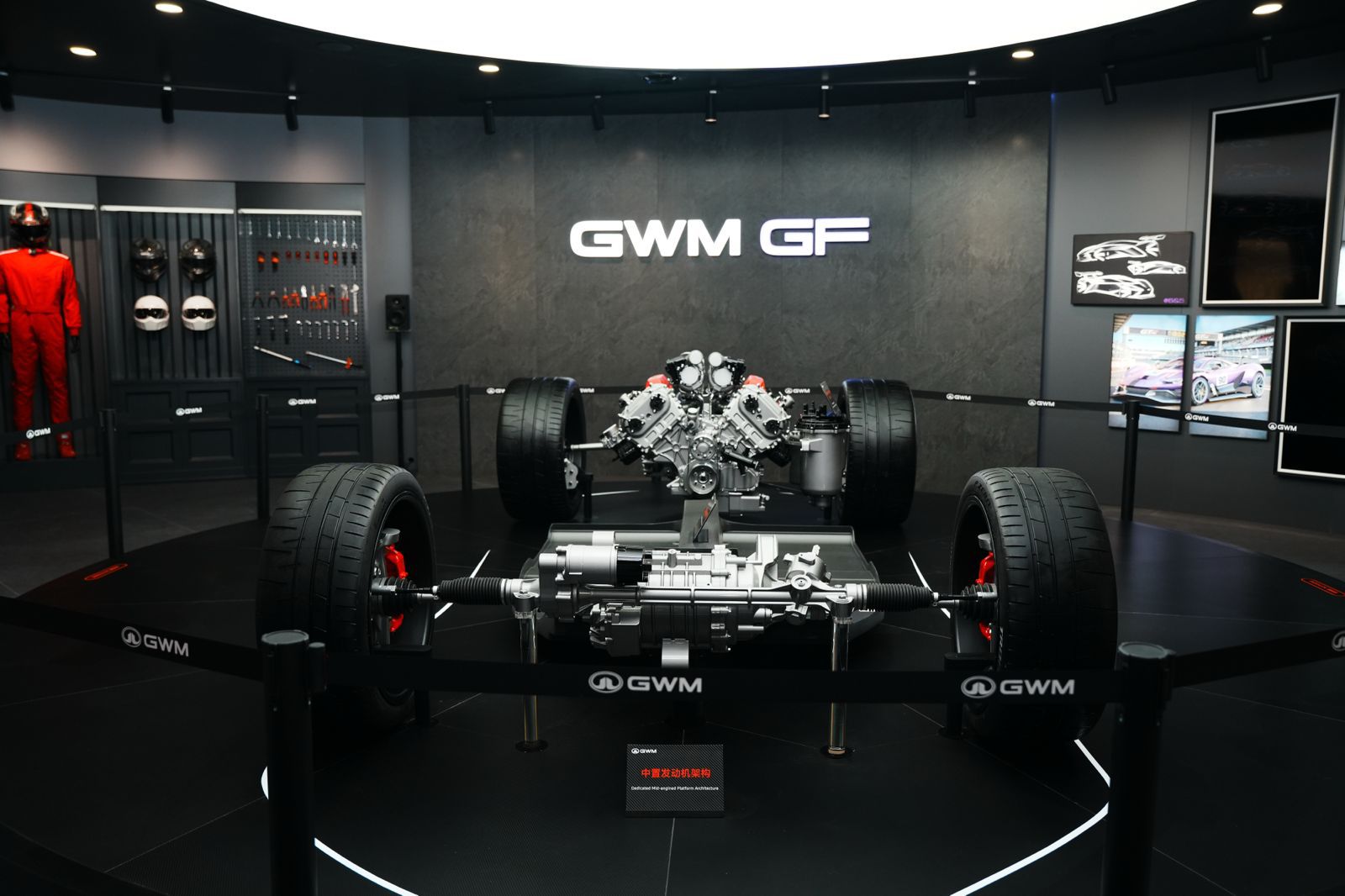
GWM Unveils Next-Generation GWM ONE S (Gui Yuan) Platform, 4.0T V8 Engine and more at Auto China 2026
منذ 23 ساعة . News

Netflix Announces “The Netflix Effect,”Highlighting Global Economic, Cultural and Social Impact
منذ 23 ساعة . News

New Balance Brings Grey Days to Life with Community-Led Grey Runs Across the Region
منذ يوم . News
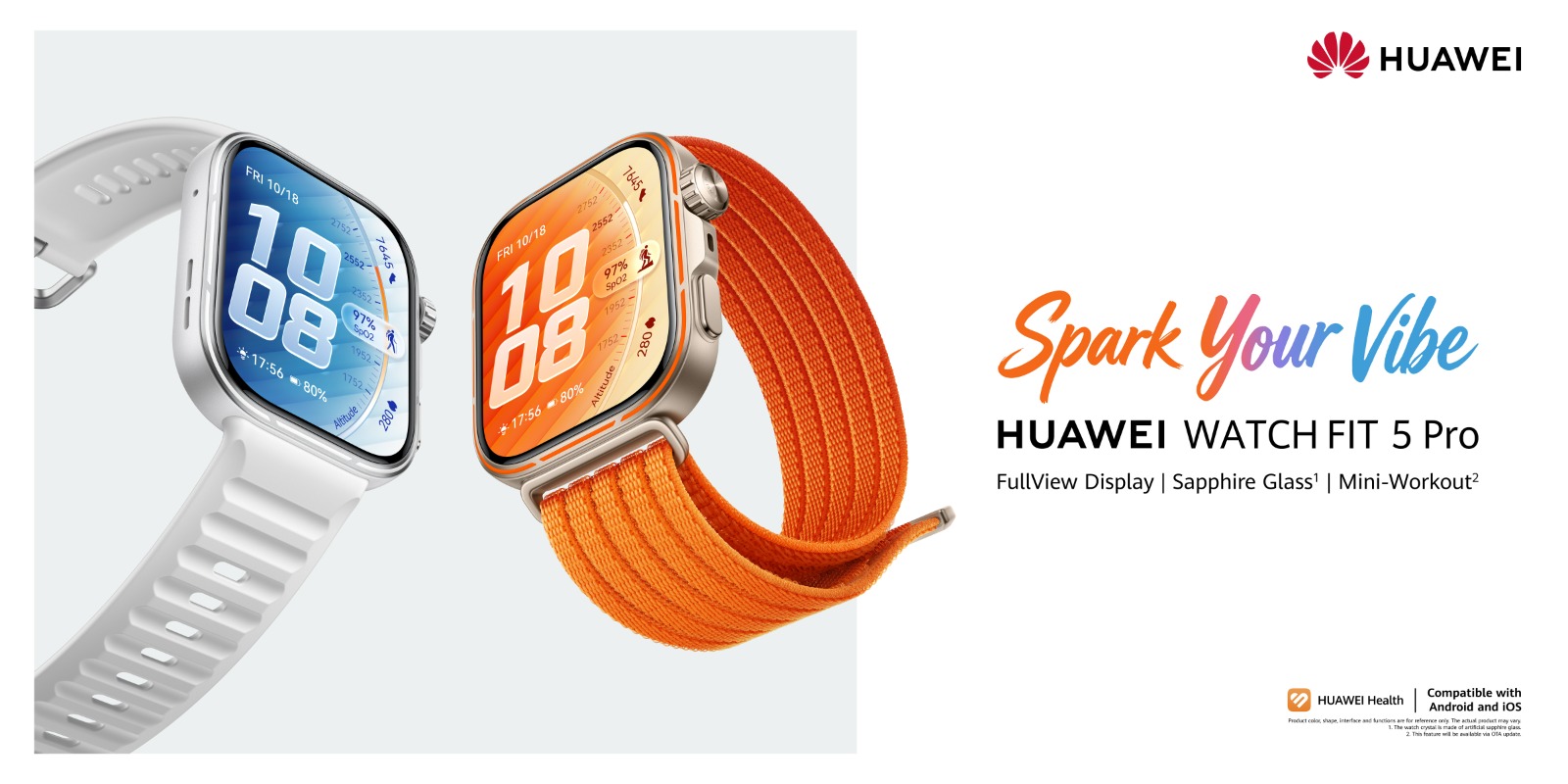
The FIT Series Evolves: HUAWEI WATCH FIT 5 Pro Becomes a Daily Companion for Wellness, Style, and Smart Training
منذ يوم . News
.jpeg)
Accessible Flagship Smartphones Might be the Best Value for Consumers in 2026
منذ يوم . News
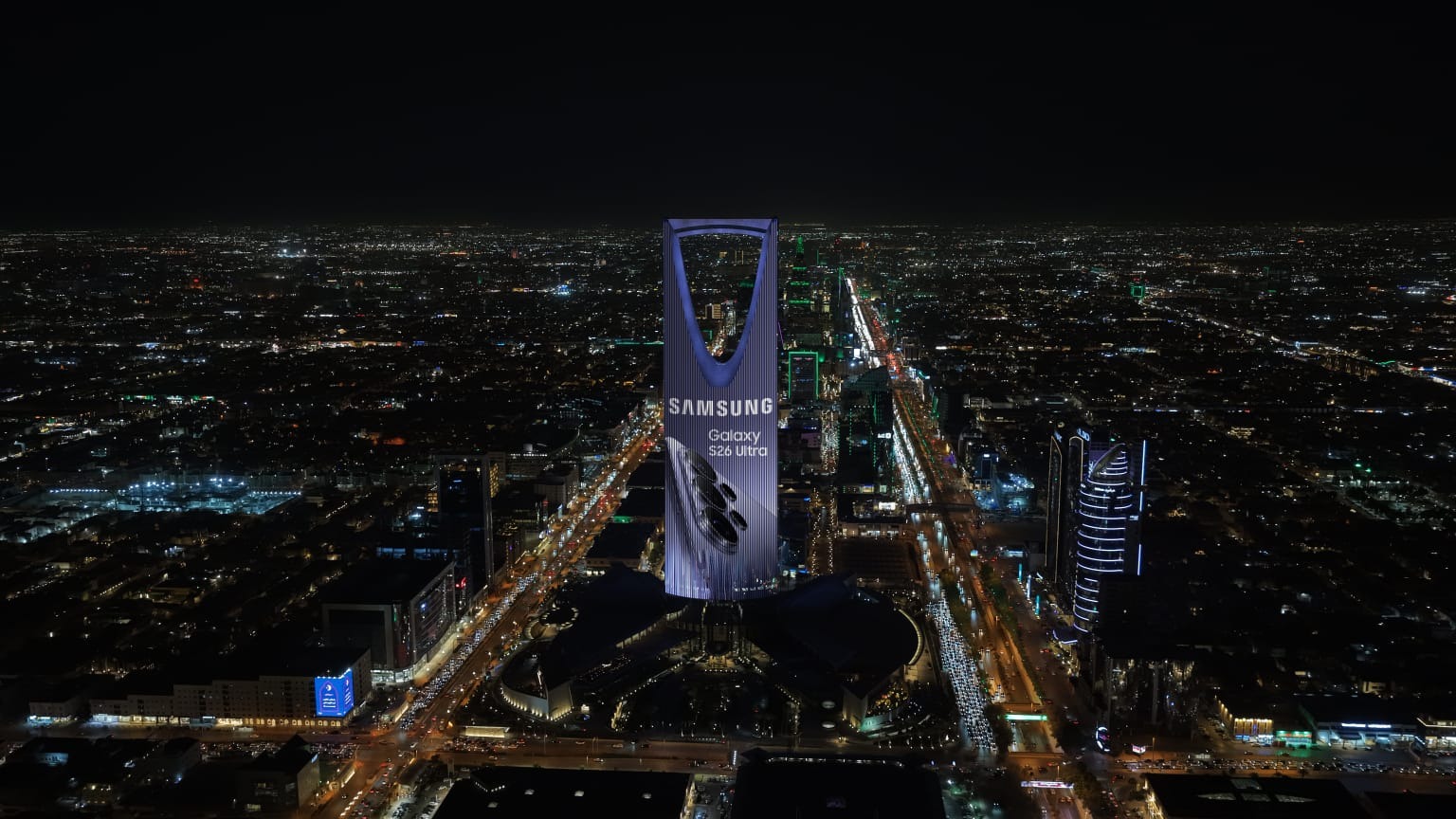
Samsung Galaxy S26 Series Launch Dominates Saudi Skies with Exclusive Rotana Signs Nationwide Takeover
منذ يوم . News
.jpeg)
Binghatti Delivers 10th Consecutive Record Quarter with AED 1.43 Billion Net Profit in Q1 2026
منذ يومين . News