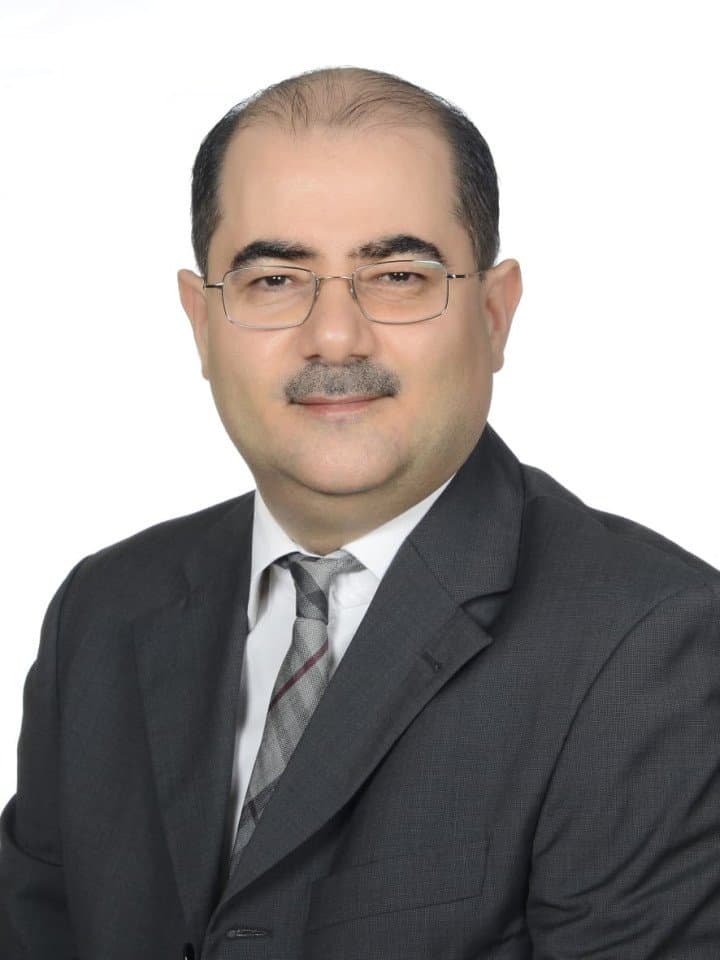
Samsung’s Vision in Action Shaping the Future of Business Technologies with Dr. Samir Khayat

Manal Saleh
In an
era where technology revolutionizes industries at an unprecedented pace,
Samsung Electronics is boldly positioning itself as a leader not just in
consumer gadgets but as a strategic partner in enterprise transformation. At
the helm of this vision is Dr. Samir Khayat, a seasoned executive with over 25
years of experience in complex systems, security solutions, and defense
programs.
With a remarkable career blending technical expertise and
strategic leadership, Dr. Khayat now drives Samsung’s enterprise business in
Saudi Arabia,championing innovation, fostering strategic partnerships, and
steering the company’s growth across key industry verticals such as healthcare,
education, finance, and smart cities
We sat down with Dr. Khayat to explore Samsung's enterprise
strategy, the evolving landscape of digital transformation, and the bold
initiatives that are shaping the future of business technology in the region.
1. Given your diverse
experience, how is Samsung shaping its strategy to solidify its position in the
B2B and enterprise markets within Saudi Arabia and beyond?
Our approach is multi-faceted. First, we’re focusing on
understanding the unique needs of regional industries like healthcare,
education, defense, or smart city initiatives, and tailoring solutions that fit
those specific challenges.
Second, we’re strengthening our strategic alliances with
government bodies, system integrators, and telecom providers, which allows us
to offer comprehensive and scalable solutions. Lastly, innovation and
continuous improvement form the backbone of our strategy,staying ahead of
technological trends to deliver value-driven solutions that distinguish us in
the market.
2.
You mentioned key sectors like healthcare and smart
cities. Which of these do you see as having the most growth potential, and how
is Samsung capitalizing on these opportunities?
Healthcare and smart city
projects are particularly promising. With the rising demand for connected
healthcare solutions and efficient urban infrastructure, these sectors are ripe
for transformation. Samsung’s strength lies in providing integrated solutions
like digital displays, sensor networks, and secure communication systems that
enhance operational efficiency and user experience.
We’re actively collaborating
with local governments and private sector partners to develop smart city
infrastructure, think of intelligent lighting, surveillance, and healthcare
monitoring systems, that improve quality of life and operational sustainability.
It’s about creating ecosystems that are scalable and future-proof.
3.
Samsung’s reputation is well-known globally, but how
are you positioning the company as a true partner in digital transformation,
beyond hardware?
We see ourselves as an enabler
of change. Our solutions are designed to integrate seamlessly into existing
business processes, providing not just hardware but the software, analytics,
and support needed for true digital transformation.
For instance, our visual display
solutions like LED screens and digital signage are now part of larger,
connected systems that support data collection, customer engagement, and
automation. It's about offering end-to-end solutions that empower enterprise
clients to innovate and stay competitive.
4. Partnerships are integral to this
journey. How does Samsung plan to expand its ecosystem through collaborations?
Building a robust ecosystem requires collaboration. We’re
actively forming alliances with government agencies, software developers, cloud
providers, and other stakeholders. These partnerships enable us to develop
integrated solutions tailored to regional needs.
Our goal is to foster an innovation ecosystem where our
technologies are complemented by local and global partners, creating a seamless
experience for enterprises and ensuring scalability across different markets.
5. Let’s talk about innovation. In your view, which
emerging verticals such as smart workplaces and connected healthcare hold the
most promise for Samsung to lead in the near future?
Certainly, these are two of the most promising areas. Smart
workplaces leverage IoT, AI, and cloud computing to create more efficient,
flexible, and safe working environments. Samsung’s expertise in display
technology, coupled with data analytics, puts us in a strong position to
develop integrated smart workspace solutions that improve collaboration and
productivity.
Similarly, connected healthcare is transforming patient
monitoring, telemedicine, and hospital management. Our advanced display
solutions, sensors, and secure networks enable healthcare providers to deliver
better patient care while optimizing operational workflows. Samsung aims to be
at the forefront of these digital health solutions by innovating at the
intersection of hardware and software.
6.
How does
Samsung ensure its regional strategies align with its larger global enterprise
goals, especially when market needs vary significantly across countries?
This is a vital aspect of our strategic planning. While regional
markets have unique requirements, we establish a common framework focused on
scalability, security, and innovation that aligns with Samsung’s global vision.
We adapt local solutions to meet specific industry needs while
maintaining core standards and interoperability. Regular coordination with our
global teams ensures consistency, scalability, and best practices, so that our
regional offerings contribute to and benefit from the broader corporate
strategy.
7.
How does
Samsung ensure its regional strategies align with its larger global enterprise
goals, especially when market needs vary significantly across countries?
Fostering a culture of innovation starts with empowerment and
continuous learning. We encourage our teams to think creatively, experiment
with new ideas, and learn from both success and failure.
Mentorship programs, leadership training, and cross-functional
projects are key components. We aim to identify high-potential talent early,
provide them with challenging opportunities, and nurture their growth into
future leaders who can drive Samsung’s strategic initiatives forward.
8.
From a
performance standpoint, what KPIs or metrics does Samsung focus on to measure
success in the enterprise segment?
We
emphasize a balanced scorecard approach,combining financial metrics such as
revenue growth, market share, and profitability with customer satisfaction
scores, project delivery times, and partner engagement levels.
Moreover,
we track innovation indicators like new solution deployments and ecosystem
collaborations. These KPIs help us ensure sustainable growth, operational
excellence, and a strong value proposition for our clients.
9. How
does Samsung prioritize building long-term relationships with enterprise
clients, especially in a competitive landscape?
At
the core, it’s about trust and consistently delivering value. We focus on
understanding each client’s unique challenges and tailoring solutions to their
needs. Providing exceptional service, proactive support, and continuous
innovation builds confidence and loyalty.
We
also engage in regular communication, seek feedback, and anticipate upcoming
challenges,so we can proactively develop solutions before issues arise. This
customer-centric mindset enables us to foster long-term, mutually beneficial
relationships.”
10. Finally,
what strategies does Samsung employ to ensure it remains agile and responsive
to the evolving needs of enterprise customers?
Innovation
and listening are key. We invest heavily in market intelligence and maintain
close ties with our clients, partners, and industry thought leaders.
Agility
comes from fostering a culture of continuous improvement within our teams,
enabling rapid deployment of new solutions and quick adaptation to market
trends. By maintaining flexibility and a customer-first approach, Samsung
ensures it stays ahead of the curve and delivers impactful, future-ready
solutions.
#END#
مواضيع ذات صلة

LuLu KSA Launches Convenient Udhiya Pre-Ordering with Free Slaughtering Services*
منذ 19 ساعة . News
AppyThings launches Saudi entity to support AI-native digital infrastructure in the Kingdom
منذ 20 ساعة . News
GWM Unveils Next-Generation GWM ONE S (Gui Yuan) Platform, 4.0T V8 Engine and more at Auto China 2026
منذ 22 ساعة . News
Netflix Announces “The Netflix Effect,”Highlighting Global Economic, Cultural and Social Impact
منذ 22 ساعة . News

New Balance Brings Grey Days to Life with Community-Led Grey Runs Across the Region
منذ يوم . News
The FIT Series Evolves: HUAWEI WATCH FIT 5 Pro Becomes a Daily Companion for Wellness, Style, and Smart Training
منذ يوم . News
.jpeg)
Accessible Flagship Smartphones Might be the Best Value for Consumers in 2026
منذ يوم . News
Samsung Galaxy S26 Series Launch Dominates Saudi Skies with Exclusive Rotana Signs Nationwide Takeover
منذ يوم . News
.jpeg)
Binghatti Delivers 10th Consecutive Record Quarter with AED 1.43 Billion Net Profit in Q1 2026
منذ يومين . News