-extra_large.jpg&w=3840&q=75&dpl=dpl_9RvDZKR1K3WLUpDW1QCAJspP4yJ5)
HONOR Leads & Powers the Future with Silicon-Carbon Battery Technology

Manal Saleh
Discover how HONOR’s cutting-edge battery tech is redefining smartphone
performance and setting new industry standards
(Riyadh-KSA, 07.08.2025) We use smartphones for almost
everything, calls, photos, games, and even more. But behind every great phone
is a powerful battery that keeps it running. Over the years, battery technology
has advanced in stages, making our smartphones last longer, charge faster, and
become lighter and thinner. Batteries have gone through different phases to
meet the growing demands of everyday smartphone use.
In the 1970s, Nickel-Cadmium batteries were used, but they charged slowly, had low capacity, and didn’t last very long. The 1990s brought better batteries with increased energy storage and longer life, though they still faced safety issues like overheating.


By the 1990s, lithium-ion batteries arrived, offering much
higher energy density and lighter weight, allowing phones to run longer and
become slimmer. The 2010s introduced lithium-ion polymer batteries that were
thinner and safer, enabling the slim, stylish smartphones we know today.
The latest breakthrough came in the 2020s with
silicon-carbon anode batteries. Launched 1st by HONOR in 2023, this
revolutionary technology enhances battery capacity, pushing smartphone battery
performance to new heights.
Why Silicon-Carbon Batteries Are Revolutionary
HONOR’s silicon-carbon battery technology is a big step
forward in how smartphones and other devices get their power. Let’s break it
down into simple parts with just a little technical detail so it’s easy to
understand.
The Basics: How a Battery Works
Think of a battery as a small power tank. It has three main
parts:
- Anode
(negative side): Stores lithium ions when the battery is full.
- Cathode
(positive side): Receives the ions when the battery is being used,
releasing energy.
- Electrolyte: A special liquid or gel that lets the ions move between the two sides.


This movement of ions is what powers your phone.
The Old Way: Graphite Anodes
For years, most batteries used graphite as the anode
material. Graphite is reliable, but it can only hold a limited number of
lithium ions. Think of it as a small parking lot, it works, but it can only fit
so many cars (lithium ions). Even though technology is moving fast, some tech
brands are still using this older battery method. This slows down progress, as
it limits how much batteries can improve in capacity and overall performance.
The New & Revolutionary Way: Silicon-Carbon Anodes
This is where HONOR’s innovation comes in. Instead of
just using graphite, HONOR mixes silicon and carbon to create a much
better anode.
The Star Player: Silicon
- More
Power: Silicon can hold up to 10 times more lithium ions than
graphite. That means much higher energy capacity in the same space.
- The
Problem: Pure silicon gets much bigger up to three times its size when
charging. This swelling can break the battery over time, like a parking
lot that grows too big and cracks.
The Supporting Role: Carbon
- To
solve the silicon swelling problem, HONOR mixes silicon with carbon to
create a silicon-carbon composite anode.
- HONOR
uses a porous carbon framework to ensure good electrical conductivity and
to control how much the silicon expands.
·
They also apply
nano-silicon in situ vapor deposition, a method, the special process to coat
tiny silicon particles evenly onto the carbon framework. This keeps the silicon
spread out and stable inside the battery.
- This
combination strengthens the battery, making it more durable and efficient.
What HONOR’s Silicon-Carbon Battery Offers
·
More Power in Less
Space: This battery can hold a lot more energy without taking up extra
room.
In simple words:
Your phone can run longer without getting bulkier.
In technical terms: It
delivers higher capacity (mAh) and energy density (Wh/L) in the same size or
weight.
·
Thinner, Lighter Phones:
Because the battery packs more energy into a smaller space, phones like HONOR
Magic V2 and V3 can be slimmer than other foldables without sacrificing battery
performance.
·


·
Leading Silicon Content:
HONOR uses up to 15% silicon in their battery anodes which is the highest among
Chinese brands, meaning better energy storage and overall performance.
·
Works Well in Extreme
Conditions: These batteries keep performing even in freezing temperatures
(down to -20°C)
·
Longer Battery Life:
With smart design and power management software and self-developed chipset (like
HONOR’s E1/E2 chip), the battery stays healthy and lasts longer.
HONOR’s strength comes from its strong R&D team specializing
in battery technology. About 40% of their R&D staff are doctors, and 50%
have master’s degrees, showing deep expertise. They also have a solid supply
chain, working closely with advanced and reliable suppliers to ensure
high-quality materials.
With cutting-edge technology, exceptional R&D,
human-centric approach, HONOR is powering the next generation of smartphones.
Their breakthroughs mean longer-lasting, faster-charging devices that set a new
industry standard for performance and reliability.
About
HONOR
HONOR is a global leading AI device
ecosystem company. It is committed to revolutionizing human-to-device
interactions to bridge the AI ecosystem with all consumers in the agentic AI
era and beyond. The company endeavors to open industrial boundaries through
open, seamless collaboration to co-create a value-sharing ecosystem with
industry partners. With an innovative product portfolio spanning AI phones,
PCs, tablets, wearables and more, HONOR aims to empower every human, enabling
everyone to embrace the new intelligent world.
مواضيع ذات صلة

LuLu KSA Launches Convenient Udhiya Pre-Ordering with Free Slaughtering Services*
منذ 3 ساعات . News
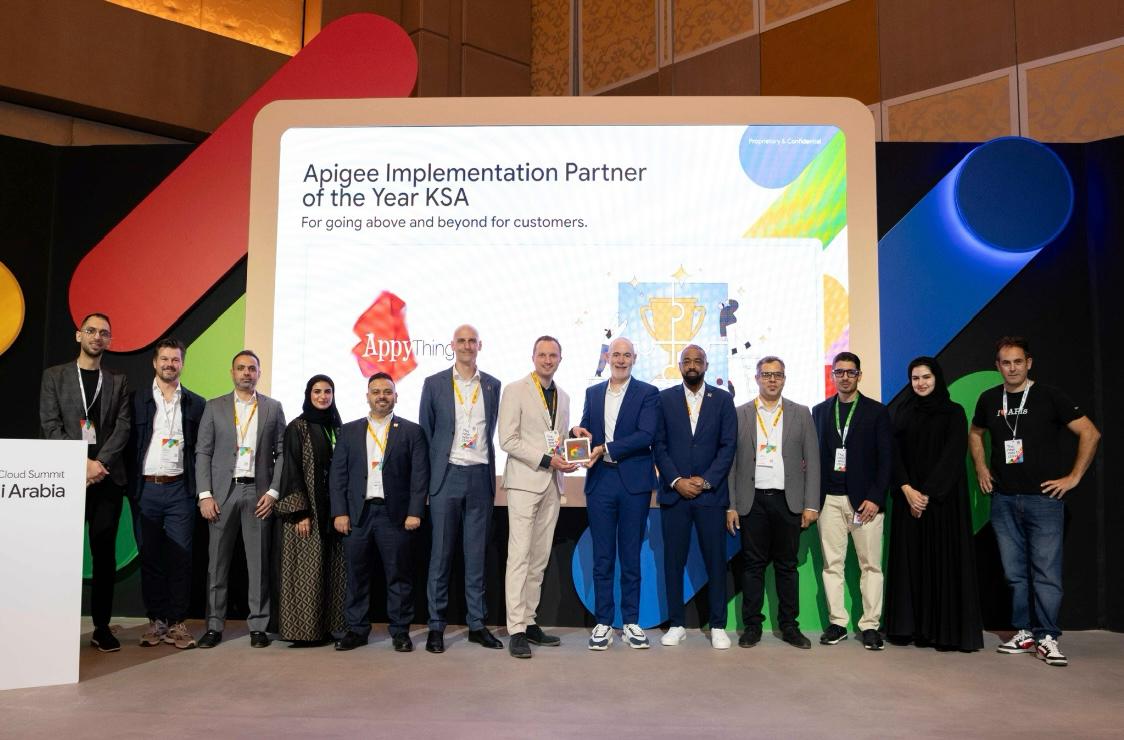
AppyThings launches Saudi entity to support AI-native digital infrastructure in the Kingdom
منذ 4 ساعات . News
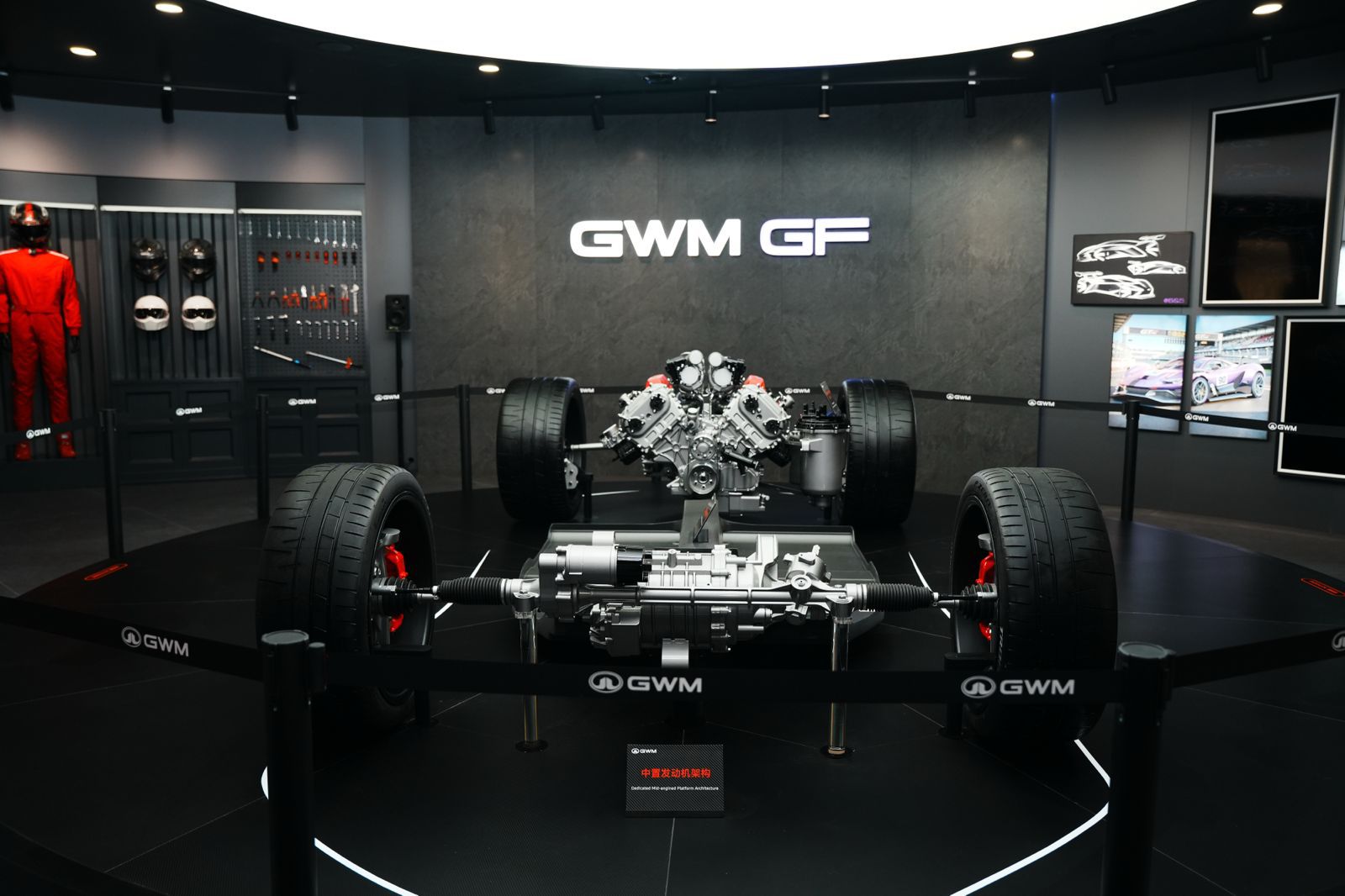
GWM Unveils Next-Generation GWM ONE S (Gui Yuan) Platform, 4.0T V8 Engine and more at Auto China 2026
منذ 6 ساعات . News

Netflix Announces “The Netflix Effect,”Highlighting Global Economic, Cultural and Social Impact
منذ 6 ساعات . News

New Balance Brings Grey Days to Life with Community-Led Grey Runs Across the Region
منذ 7 ساعات . News
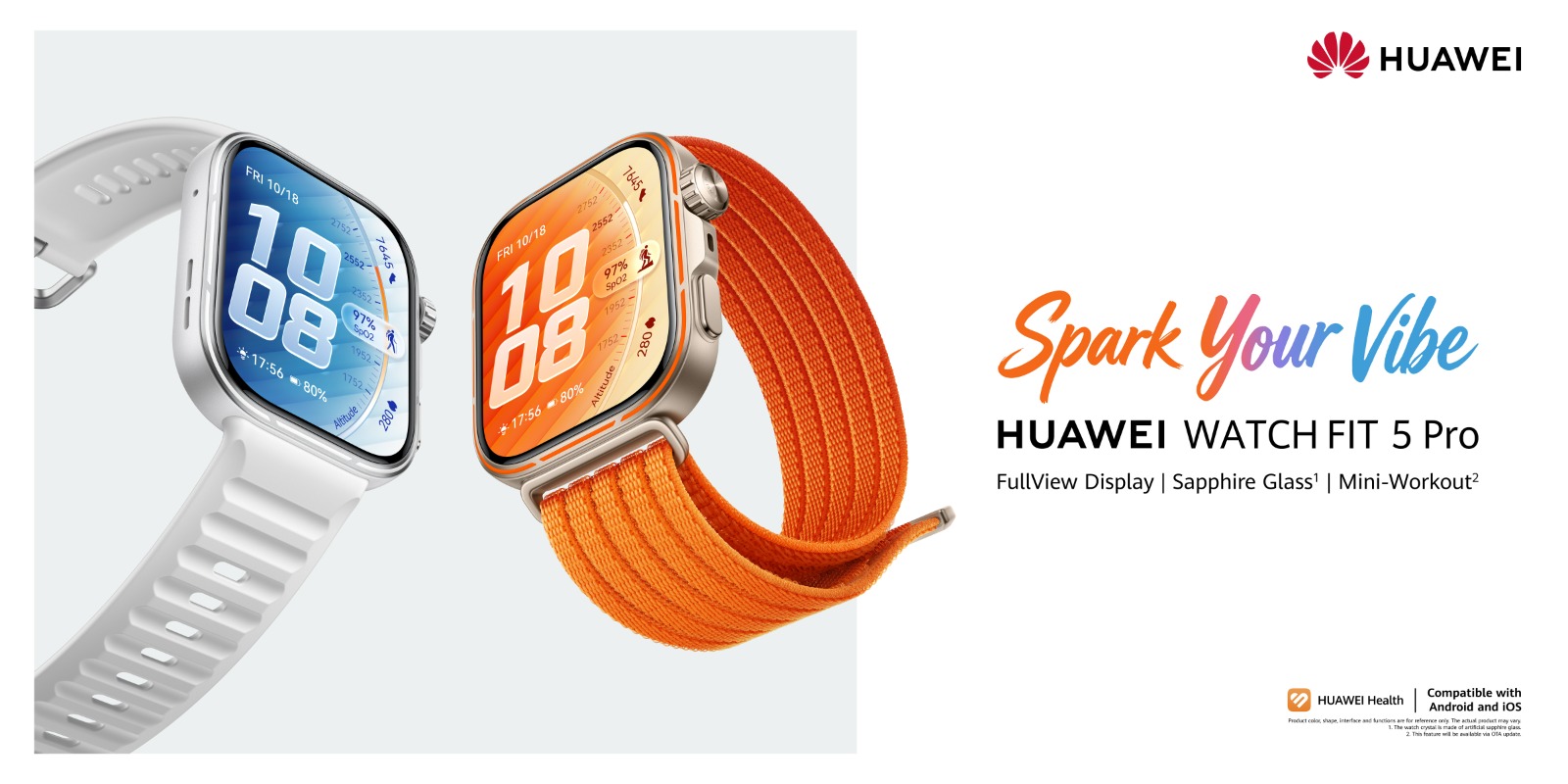
The FIT Series Evolves: HUAWEI WATCH FIT 5 Pro Becomes a Daily Companion for Wellness, Style, and Smart Training
منذ يوم . News
.jpeg)
Accessible Flagship Smartphones Might be the Best Value for Consumers in 2026
منذ يوم . News
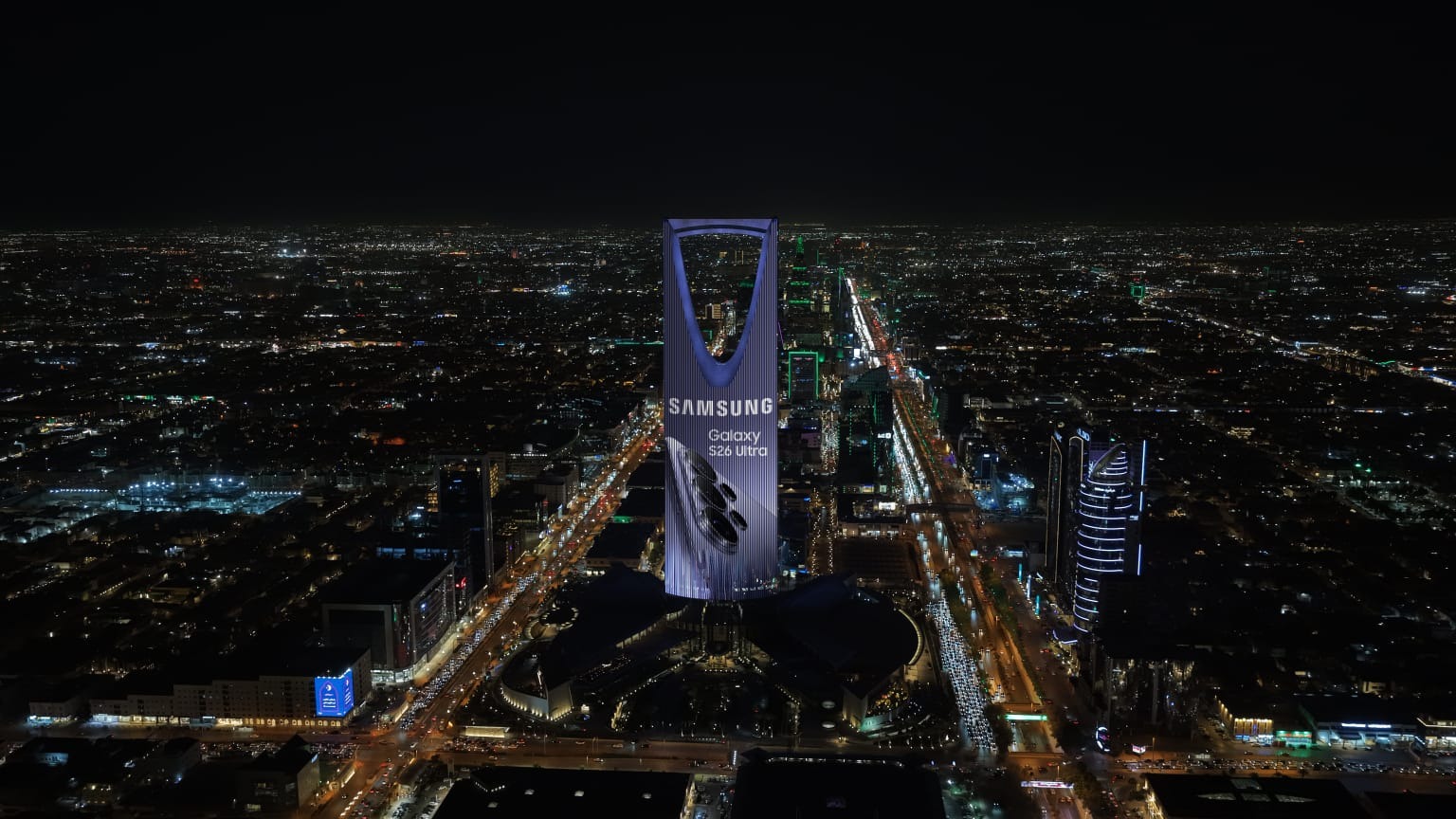
Samsung Galaxy S26 Series Launch Dominates Saudi Skies with Exclusive Rotana Signs Nationwide Takeover
منذ يوم . News
.jpeg)
Binghatti Delivers 10th Consecutive Record Quarter with AED 1.43 Billion Net Profit in Q1 2026
منذ يوم . News